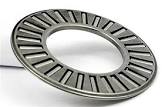
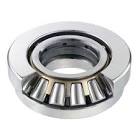
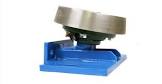
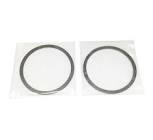
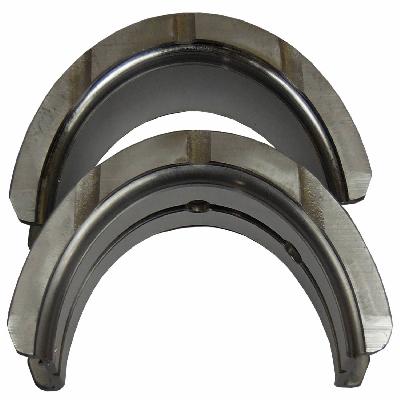
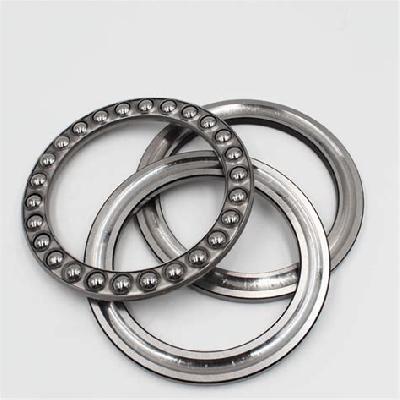
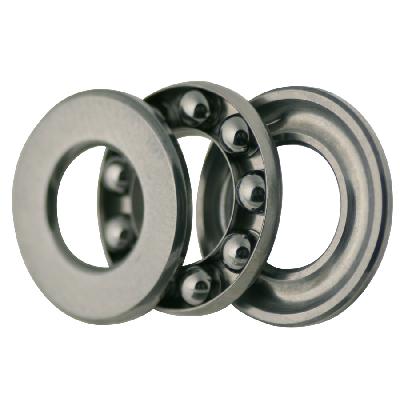
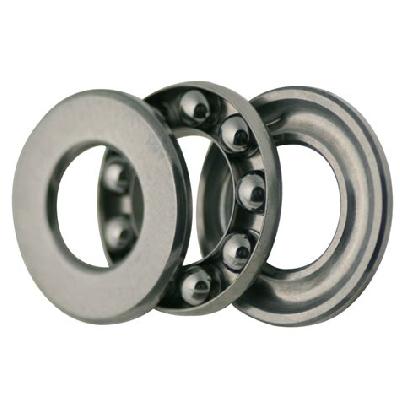
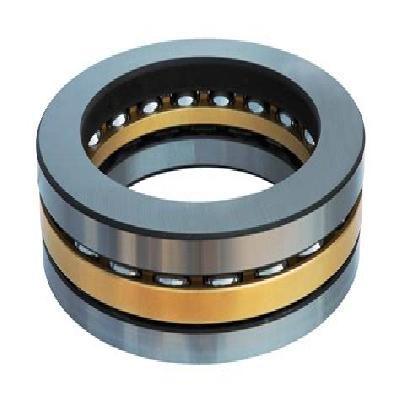
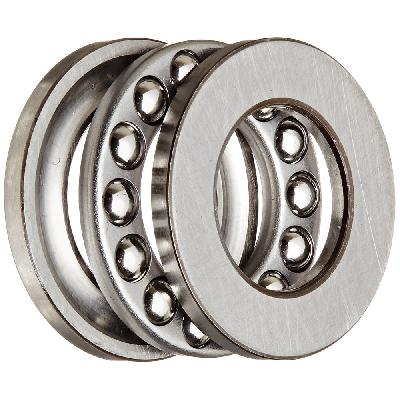
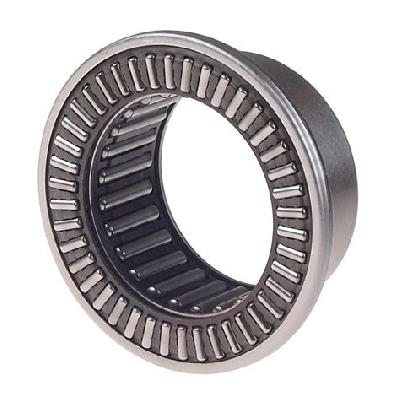
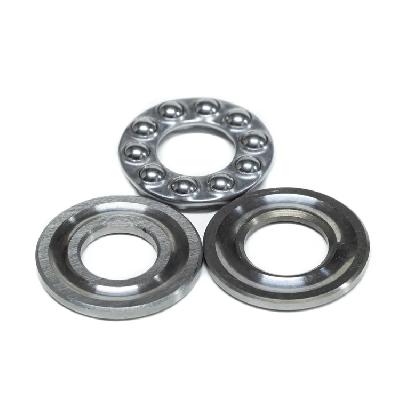
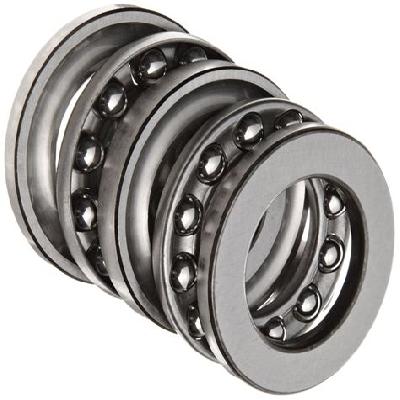
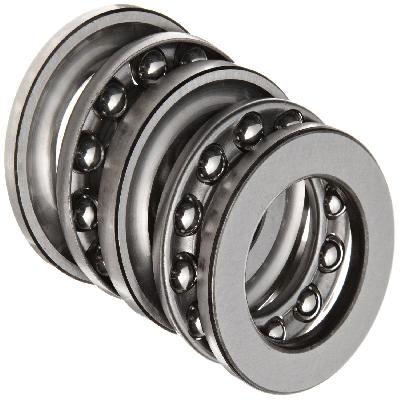
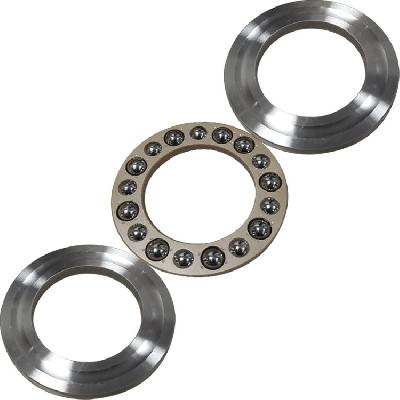
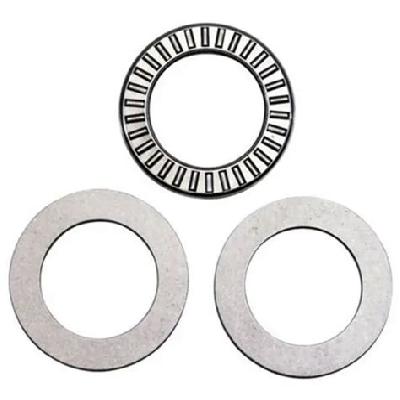
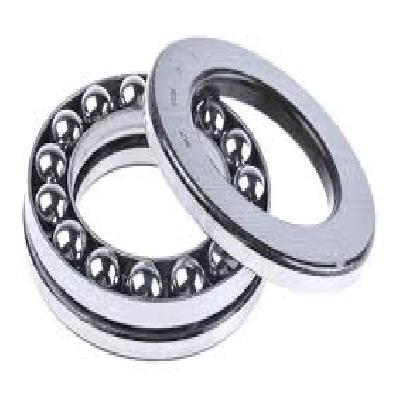
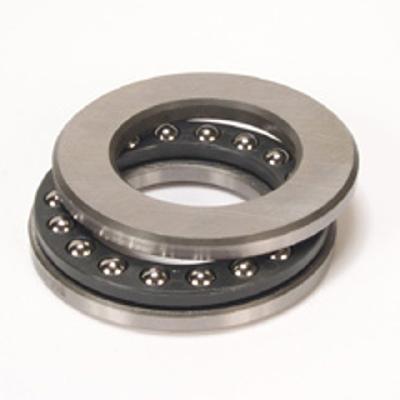
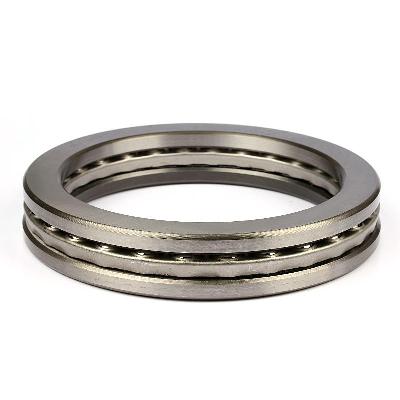
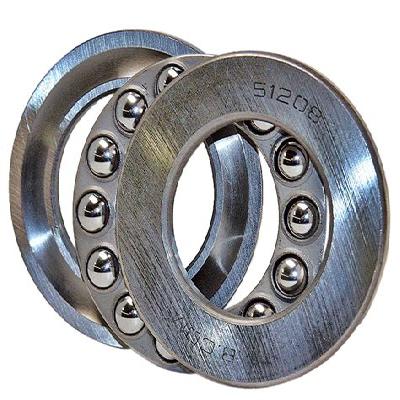
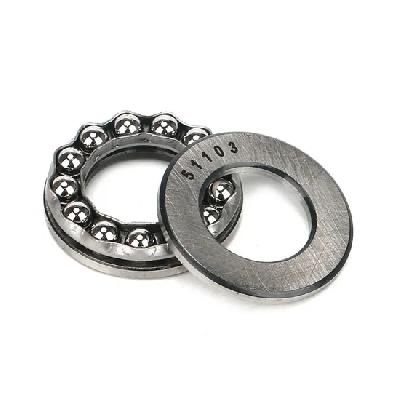
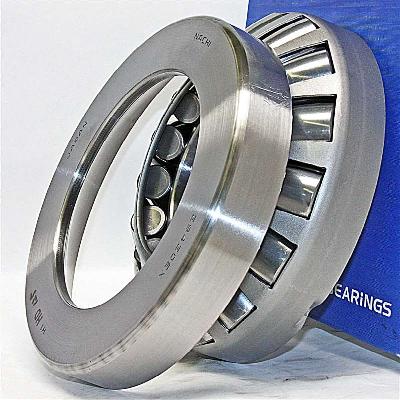
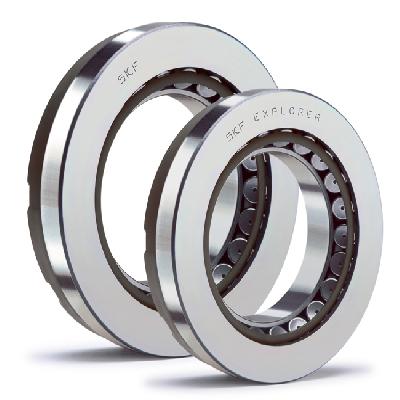
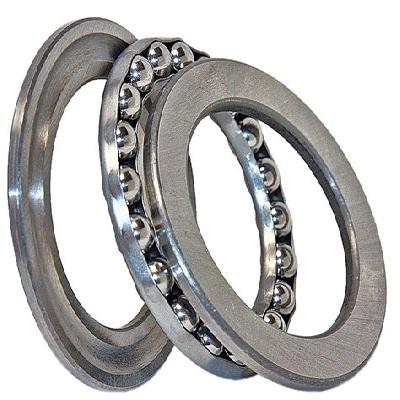
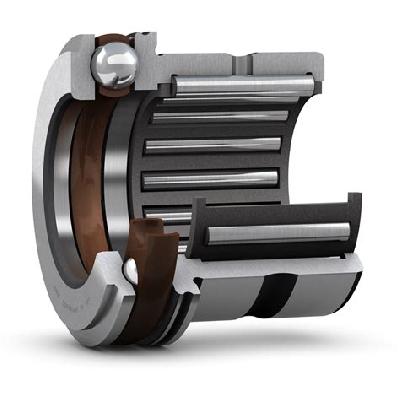
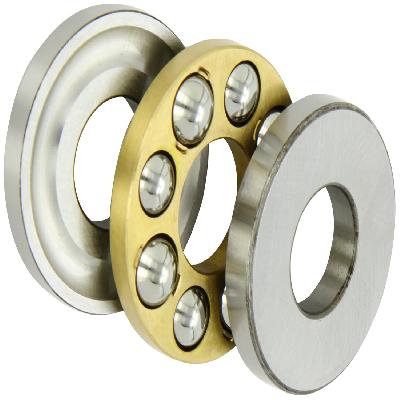
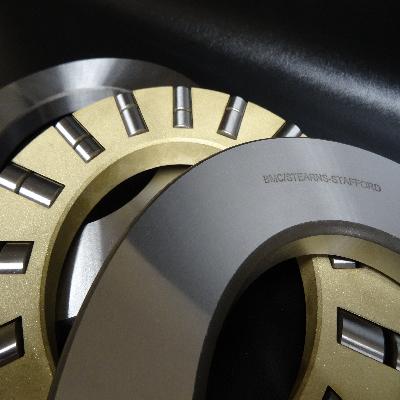
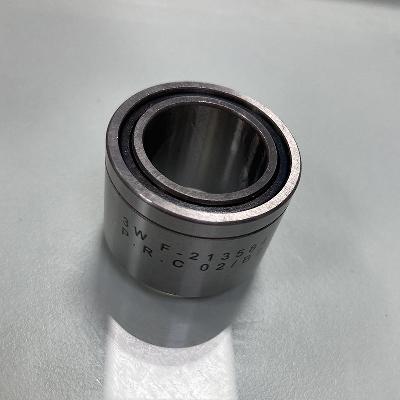
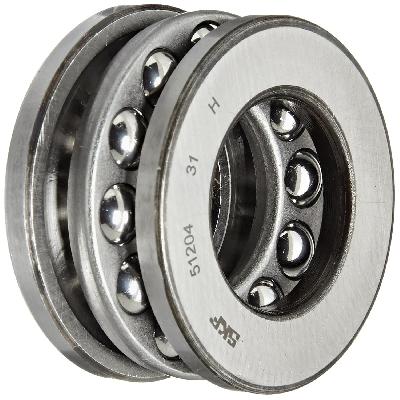
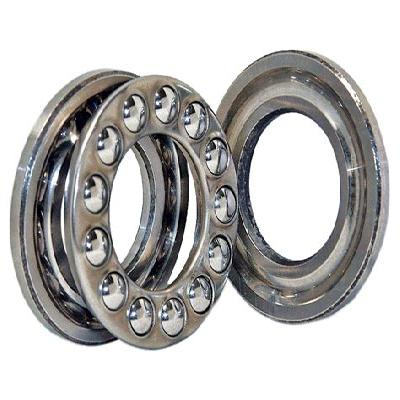
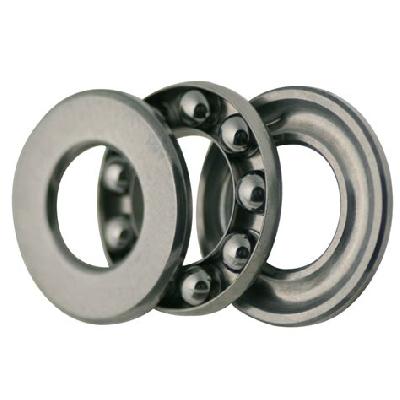
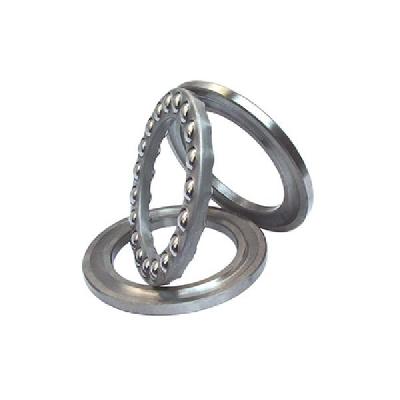
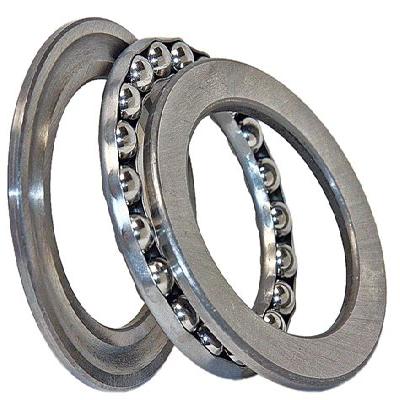
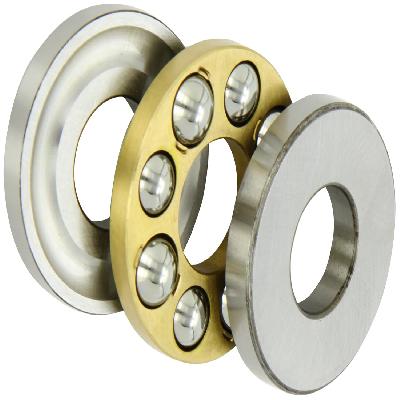
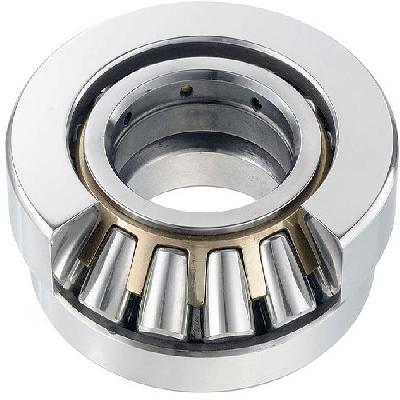
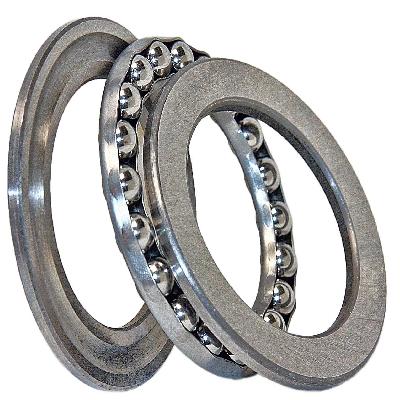
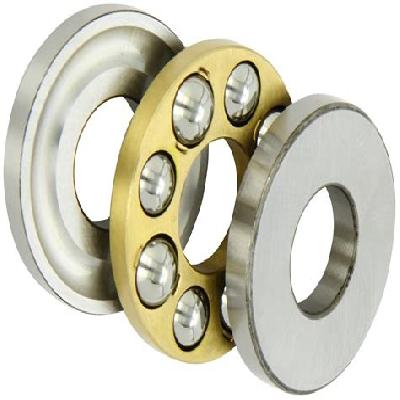
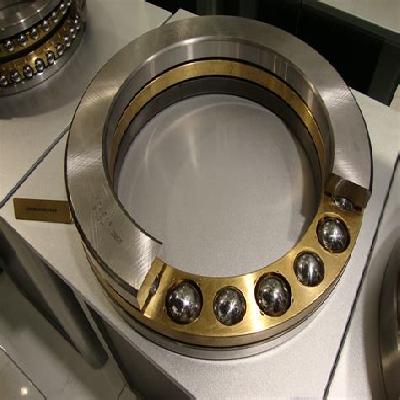
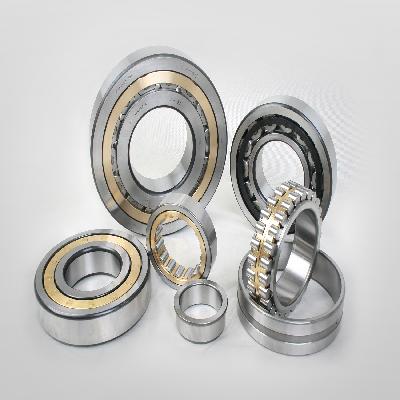
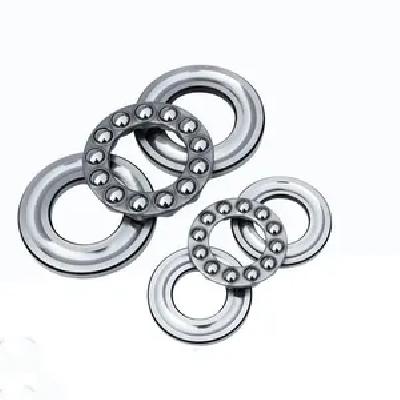
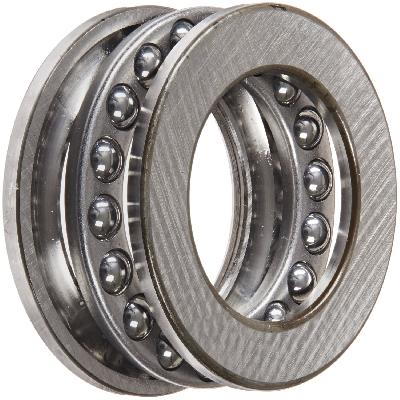
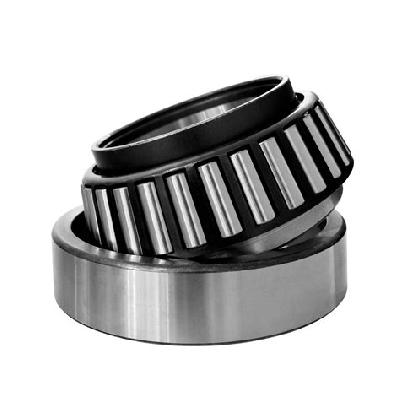
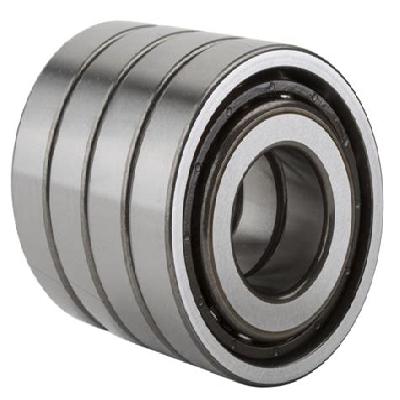
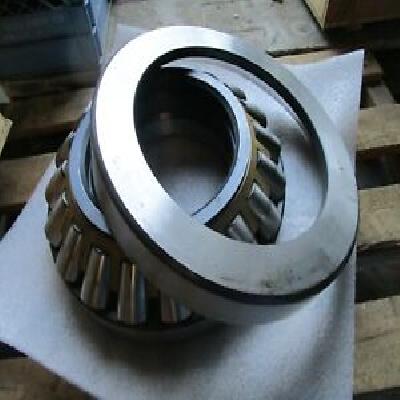
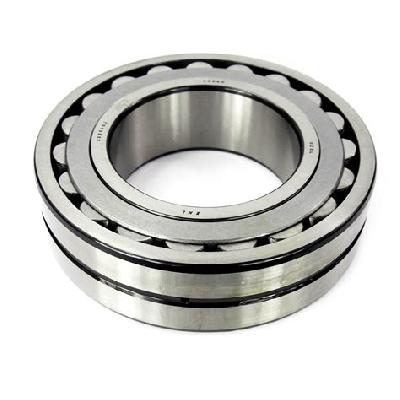
Thrust bearings are a type of bearing that supports axial loads, which means they can withstand forces acting in the direction of the shaft rotation. They are designed to handle high axial loads and provide smooth movement between rotating parts.
Where To Use Thrust Bearings
High-speed applications where axial loads are significant.
Turbine and engine components that require precise movement and high axial load capacity.
Pump and compressor components that need to handle heavy axial loads.
Key Features Of Thrust Bearings
High axial load capacity.
Smooth movement between rotating parts.
Durable and long-lasting construction.
Easy installation and maintenance.
How To Use Thrust Bearings
Ensure proper installation and alignment of the bearing.
Apply a suitable lubricant to reduce friction and wear.
Monitor temperature and axial load levels for optimal performance.
Maintain regular inspection and maintenance schedules.
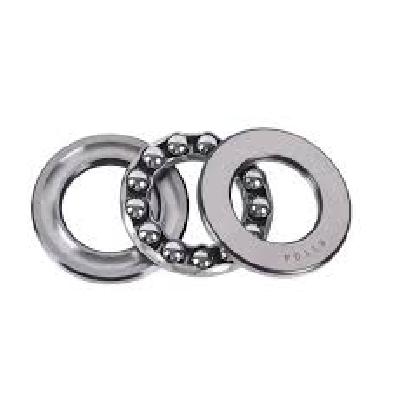
How Thrust Bearings Is Manufactured
Thrust bearings are manufactured using high-quality materials and advanced machining techniques to ensure precise dimensions and smooth operation. The manufacturing process involves several stages, including material selection, casting or forging, machining, heat treatment, and final assembly.
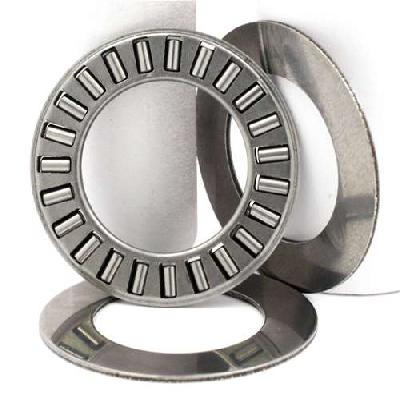
Technical Specification Of Thrust Bearings
Bore Diameter:
10-50 mm
Outer Diameter:
20-100 mm
Width:
5-30 mm
Load Rating:
1-10 kN
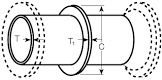
The technical specification of thrust bearings covers various aspects, including bore diameter, outer diameter, width, and load rating. These specifications are crucial in selecting the right bearing for a particular application. The bore diameter and outer diameter determine the size and clearance of the bearing, while the width affects its axial load capacity. The load rating indicates the maximum axial load that the bearing can withstand.
Description Of Thrust Bearings
Thrust bearings are designed to support axial loads in high-speed applications. They provide smooth movement between rotating parts and can withstand significant axial forces. The construction of thrust bearings is robust, ensuring durability and long-lasting performance.
Related Products & Synonyms Of Thrust Bearings
Thrust bearings are often used in conjunction with other components, such as:
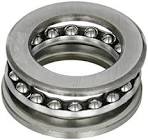
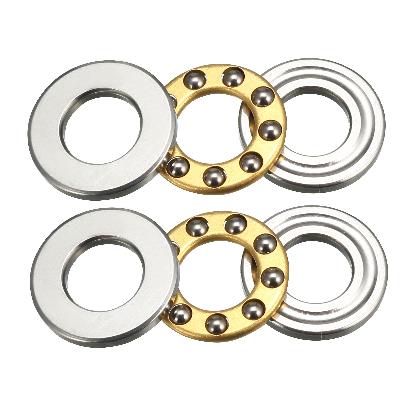
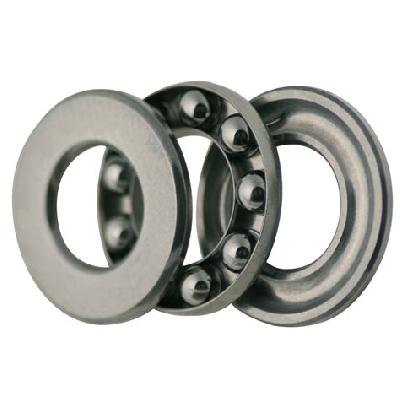
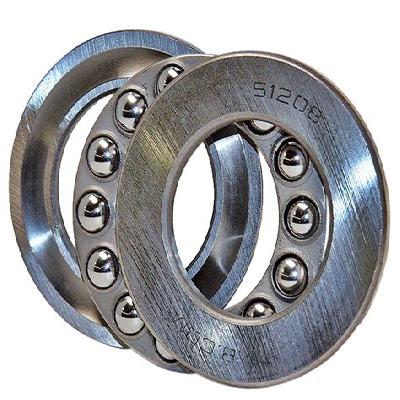
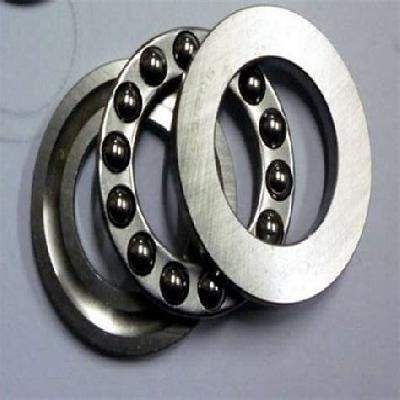
Thrust Ball Bearing: A type of thrust bearing that uses balls to support axial loads.
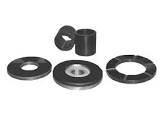
Carbon Thrust Bearings: Thrust bearings made from high-quality carbon materials for improved performance and durability.
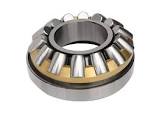
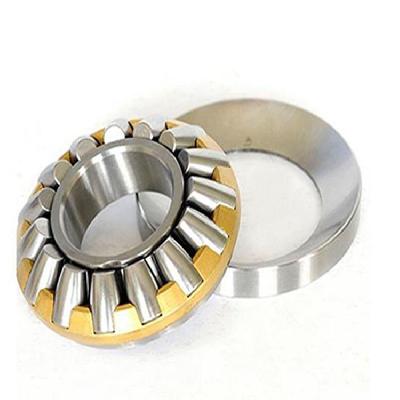
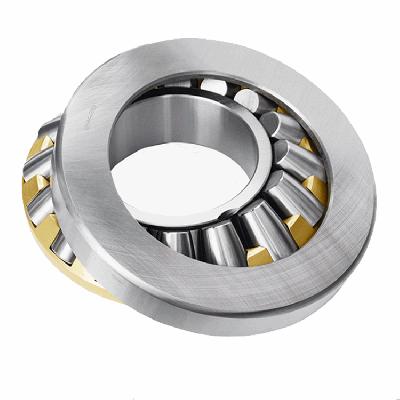
Spherical Roller Thrust Bearing: A type of thrust bearing that uses spherical rollers to support axial loads.
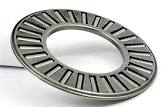
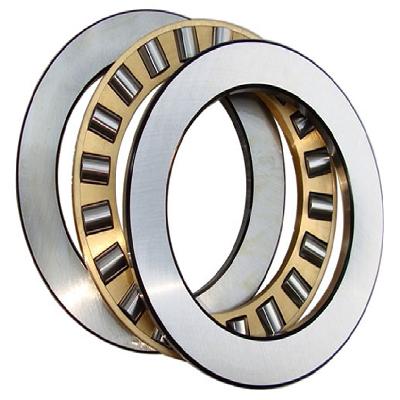
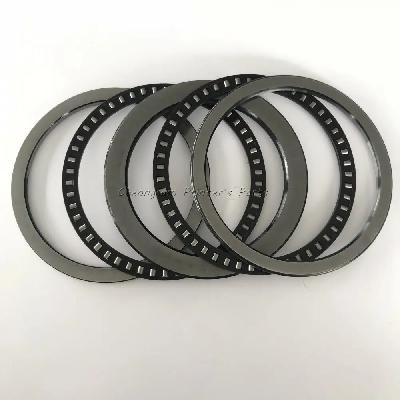
Thrust Needle Roller Bearings: Thrust bearings that use needle rollers to support axial loads.
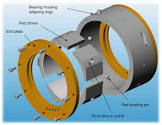
Tilting Pad Bearings: Thrust bearings designed for applications where tilting is necessary, such as in pumps and compressors.