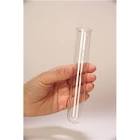
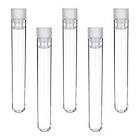
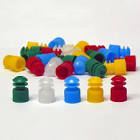
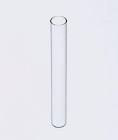
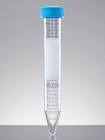
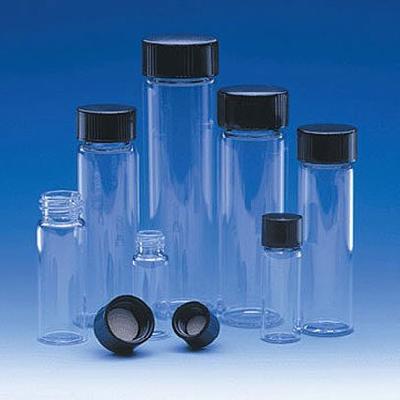
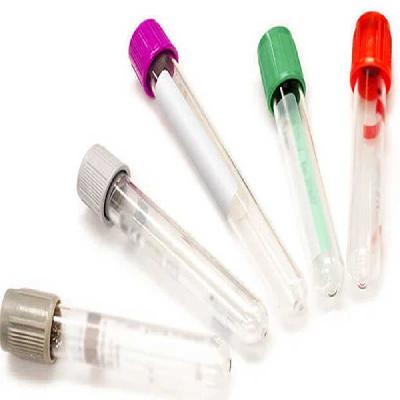
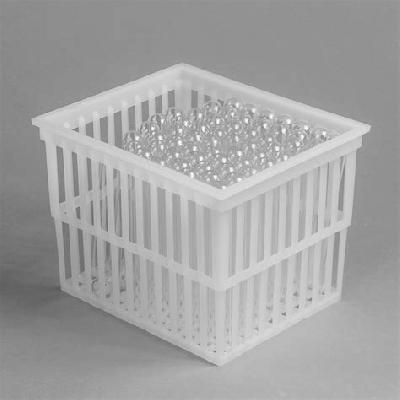
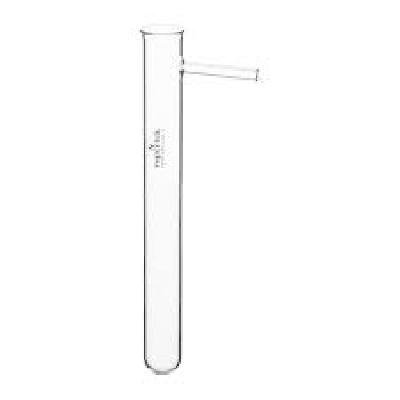
Test tubes are small, sealed containers made of glass or plastic, used in various laboratory settings for storing and transporting chemical samples.
Where To Use Test Tubes
Used in various laboratory settings for storing and transporting chemical samples.
Commonly used in high schools, colleges, universities, research institutions, and hospitals.
Can be used in medical facilities for testing blood samples or other biological materials.
Key Features Of Test Tubes
Available in different sizes, shapes, and materials.
Made from durable materials to prevent breakage and contamination.
Have a narrow neck to prevent spills and leaks.
How To Use Test Tubes
Fill the test tube with the desired chemical sample or solution.
Carefully place the cap on the test tube to prevent spills and leaks.
Label the test tube with relevant information, such as the date and contents.
How Test Tubes Is Manufactured
Test tubes are manufactured using various processes, including injection molding and glassblowing. The materials used for manufacturing test tubes include glass, plastic, and other durable materials.
Technical Specification Of Test Tubes
Diameter (mm)
10-50 mm
Length (mm)
50-200 mm
Thickness (mm)
1.5-3 mm
Temperature Resistance
-20°C to +200°C
Volume Capacity (mL)
1-100 mL
Material
Glass, Plastic, or Other Durable Materials
Lid/Closure Size
10-20 mm
The technical specifications of test tubes vary depending on the intended use and application. The diameter, length, thickness, temperature resistance, volume capacity, material, and lid/closure size are all important factors to consider when selecting a test tube for a specific laboratory setting.
Description Of Test Tubes
Test tubes are small, sealed containers used in various laboratory settings for storing and transporting chemical samples.
Related Products & Synonyms Of Test Tubes
Related products include Glass Test Tube, Plastic Test Tubes, Test Tube Cap, Disposable Test Tube, Polystyrene Tube.
Synonyms of test tubes include beakers, vials, and sample containers.