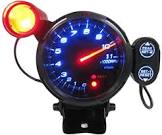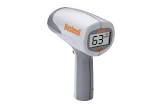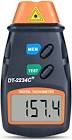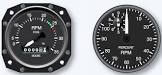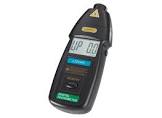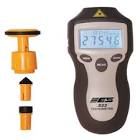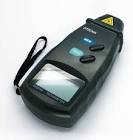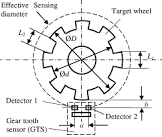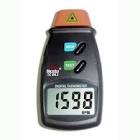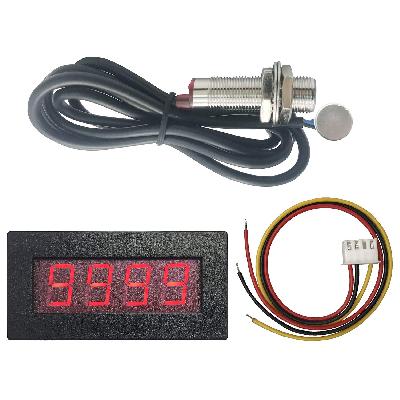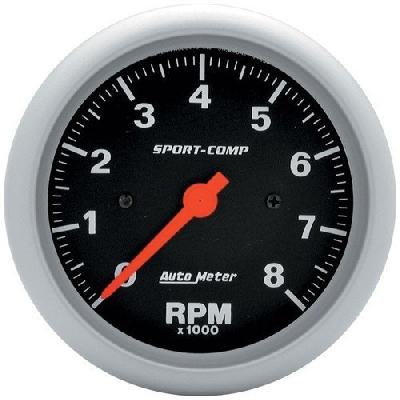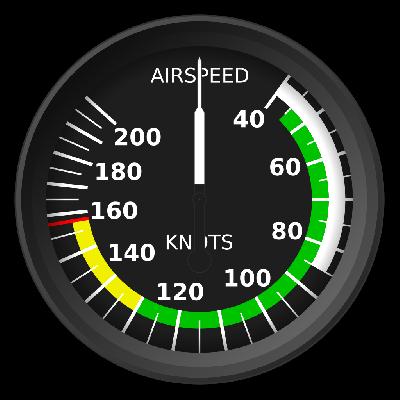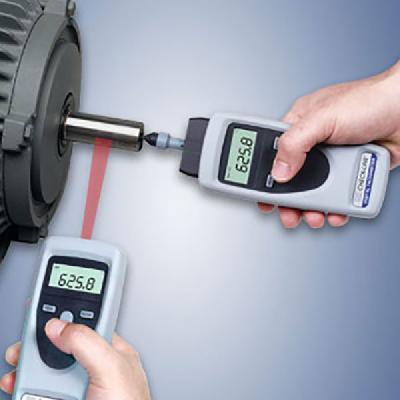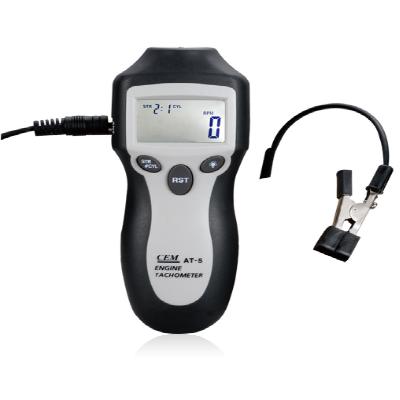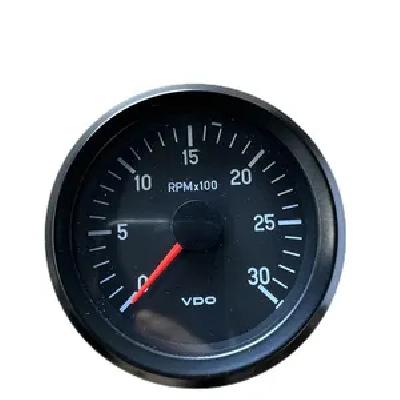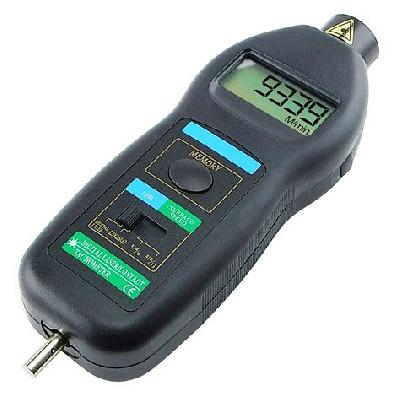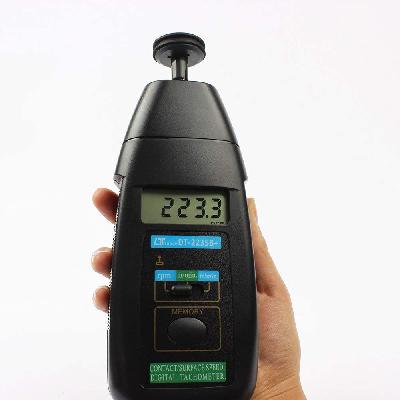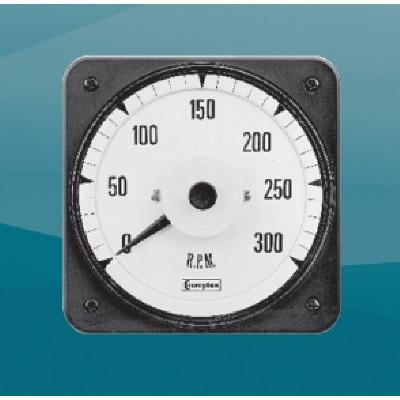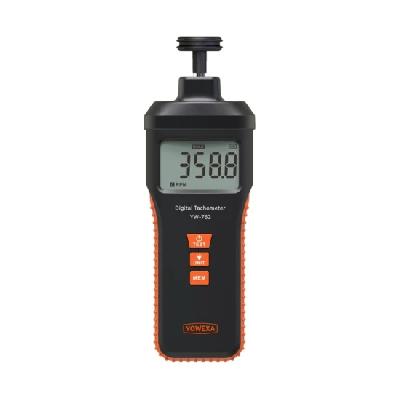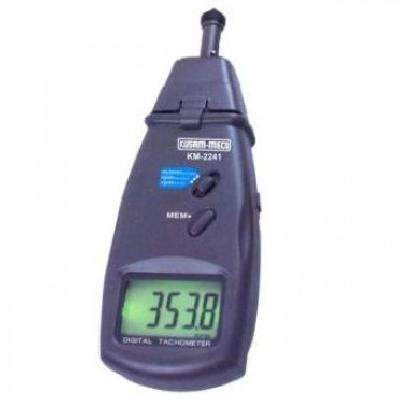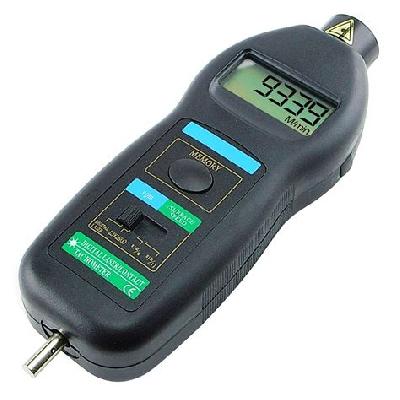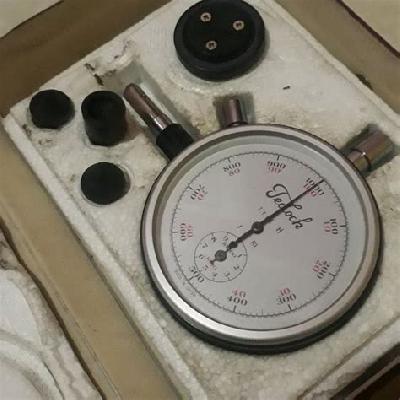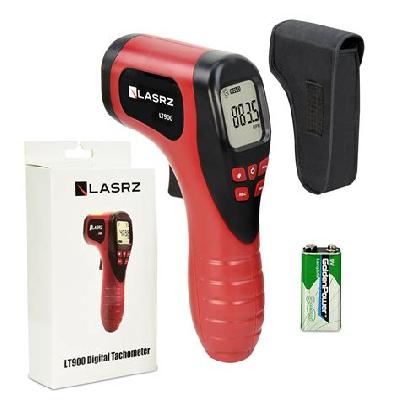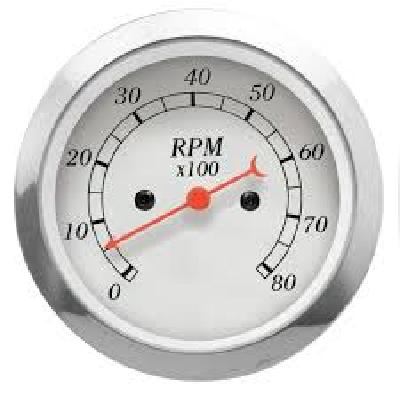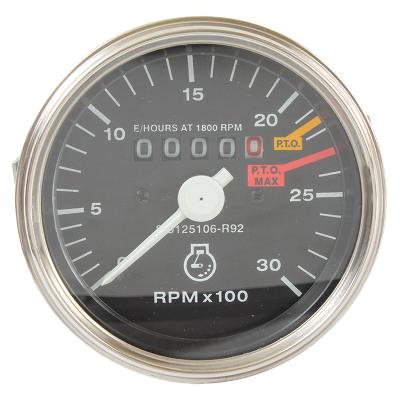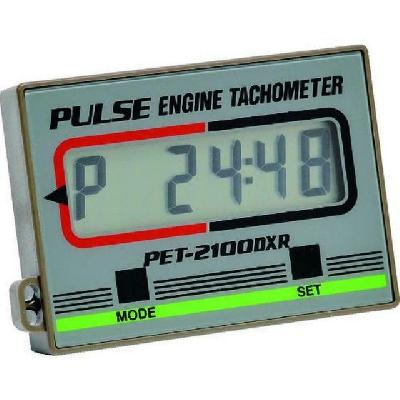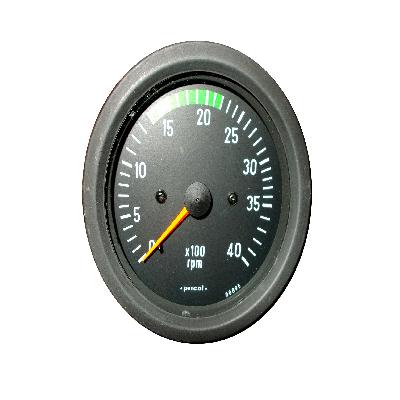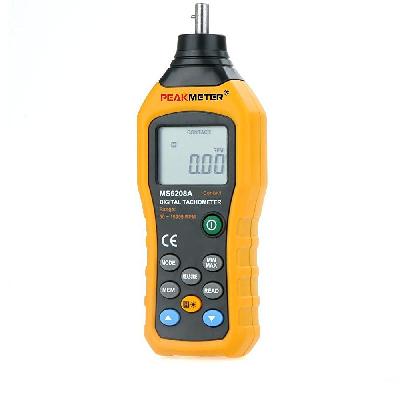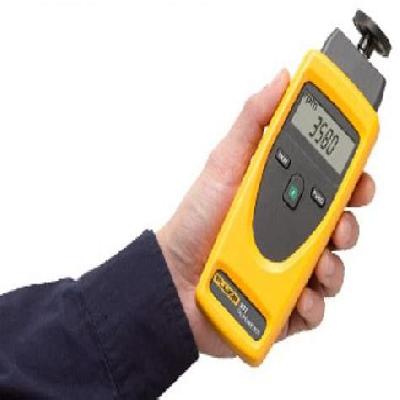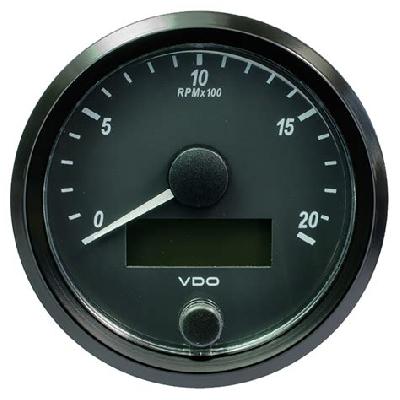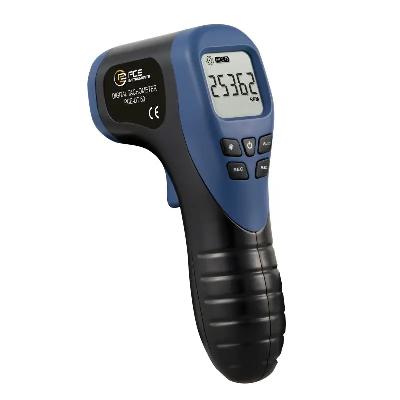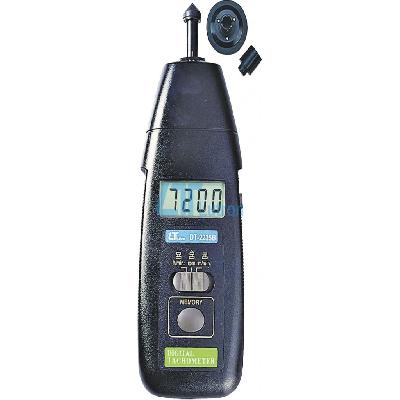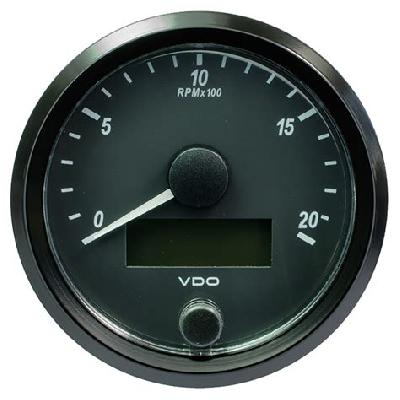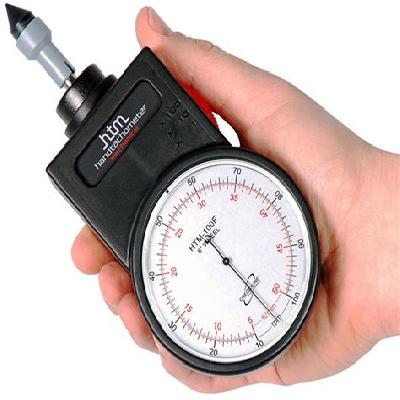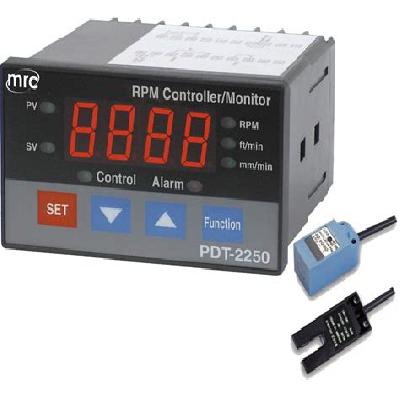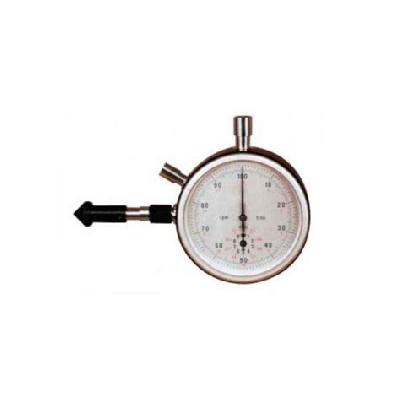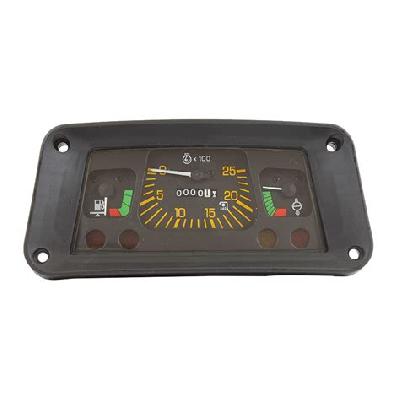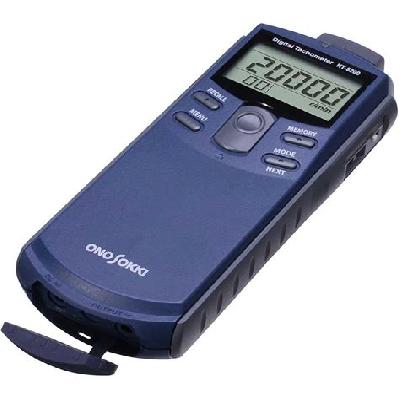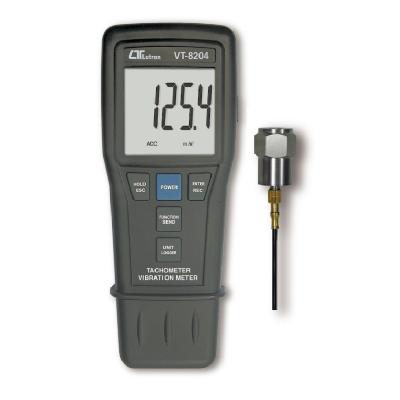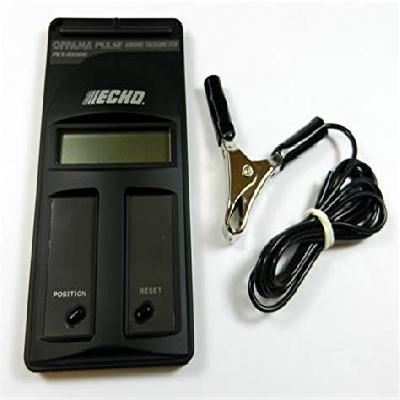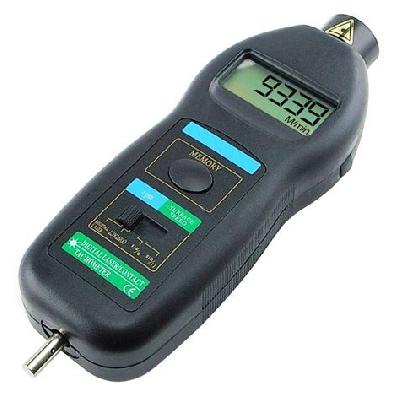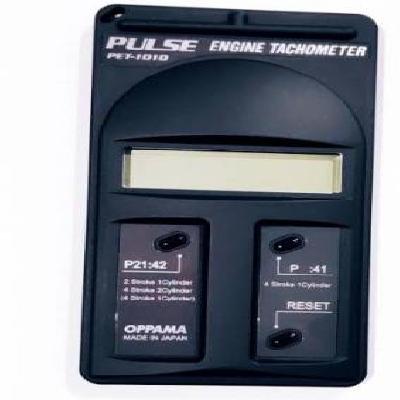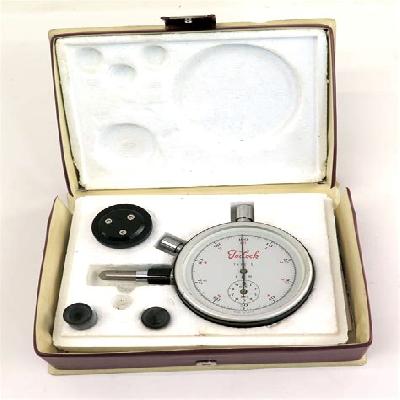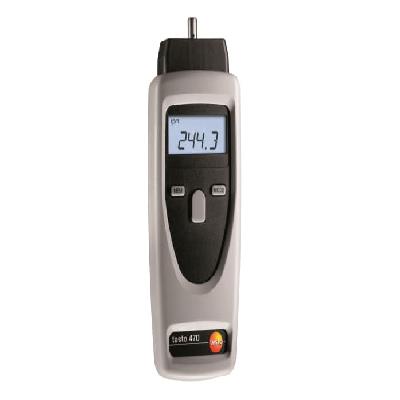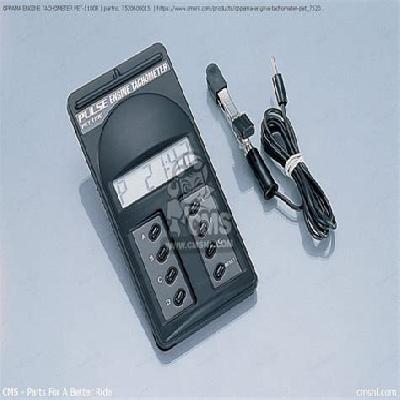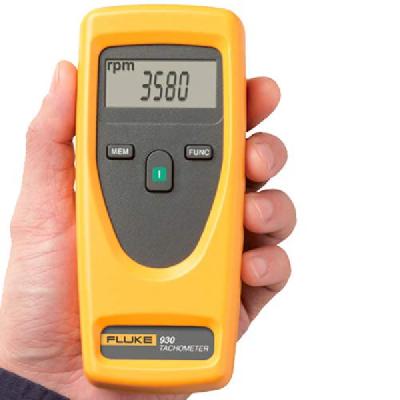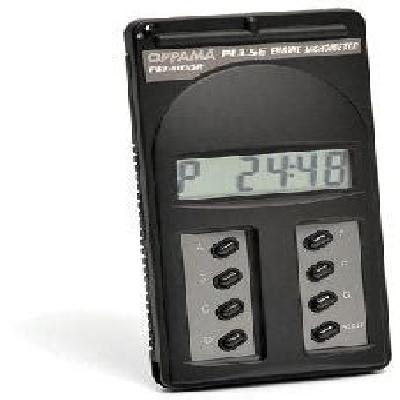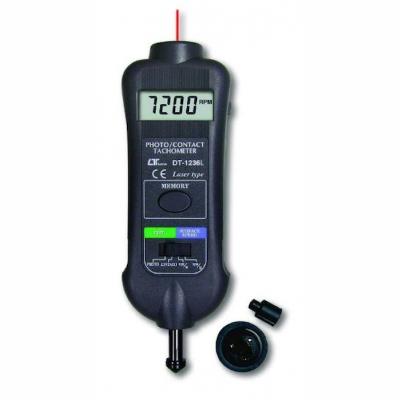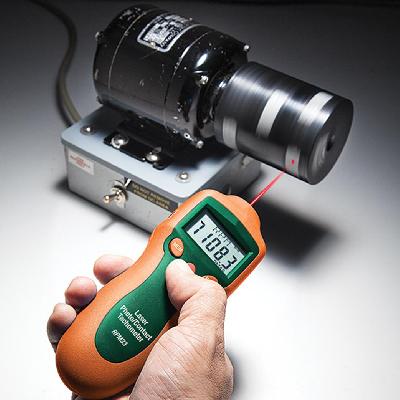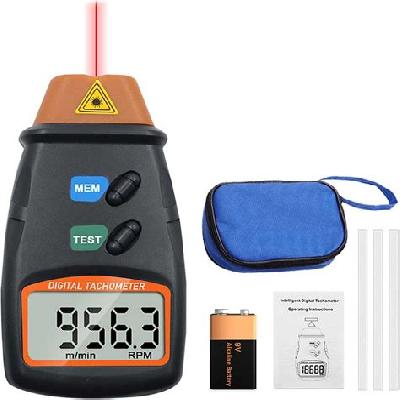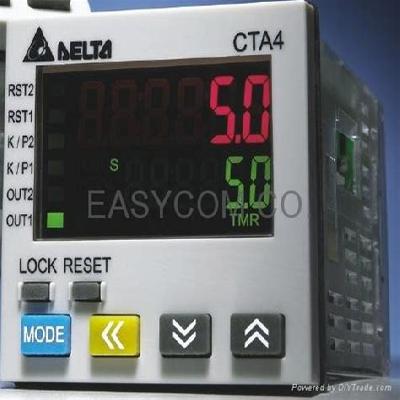
Tachometers are precision instruments used to measure the rotational speed of machinery, engines, or other rotating parts. They are essential tools in various industries, including manufacturing, automotive, aerospace, and more.
Where To Use Tachometers
Tachometers are used in a wide range of applications, including:
Industrial settings to measure motor speed and efficiency
Automotive industry for measuring engine RPM and performance
Aerospace industry for monitoring aircraft engine speed and performance
Maintenance and repair shops for diagnosing equipment problems
Key Features Of Tachometers
High accuracy and precision measurements
Easy-to-use interface for quick readings
Durable construction for long-term use
Compact design for easy portability
Ability to measure rotational speed in various units (RPM, Hz, etc.)
How To Use Tachometers
First, ensure the tachometer is properly calibrated and zeroed
Place the tachometer sensor near the rotating part or component
Turn on the power source and allow the tachometer to stabilize
Read the measured RPM value on the display or indicator
Record and analyze the data for future reference
How Tachometers Is Manufactured
Tachometers are manufactured using a combination of electronic and mechanical components. The process involves:
Designing and testing the circuitry and electronics
Machining and assembling the mechanical components (e.g., sensors, displays)
Integrating the electronic and mechanical parts into a single unit
Testing and calibrating the tachometer for accuracy and reliability
Technical Specification Of Tachometers
RPM Range:
100-10,000 RPM
Display:
LED display with backlighting
Power Source:
Battery-powered (4 x AA) or USB-rechargeable
Output:
Analog output (0-5V) and digital output (RS232)
The technical specifications of tachometers are crucial for ensuring accurate measurements and reliable performance in various applications. The RPM range, display type, power source, and output format are essential factors to consider when selecting a tachometer.