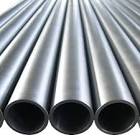
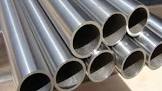
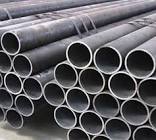
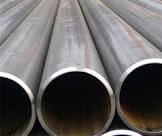
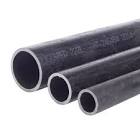
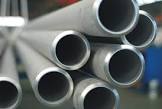
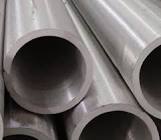
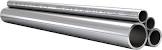
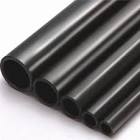
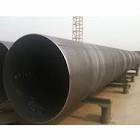
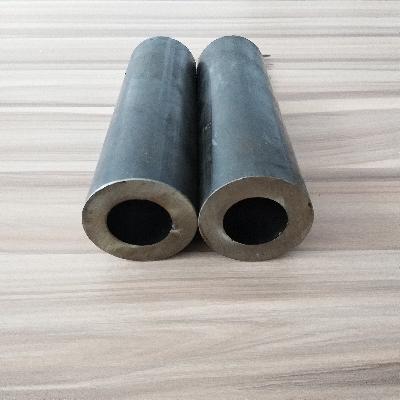
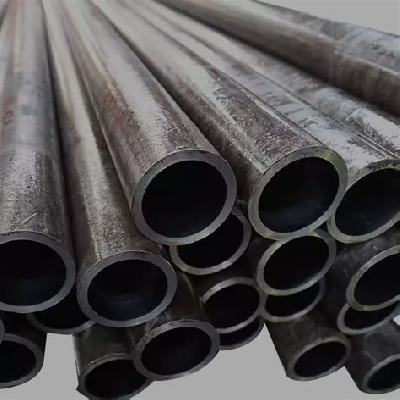
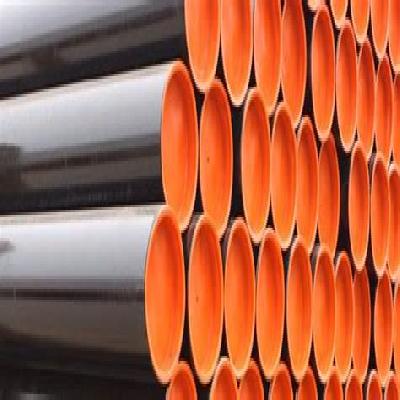
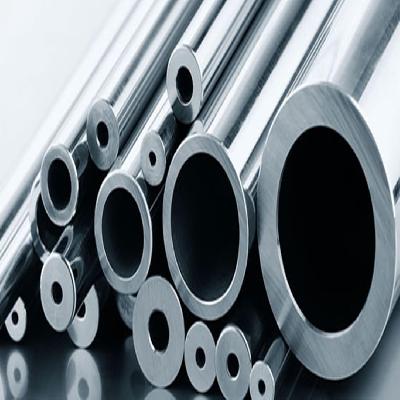
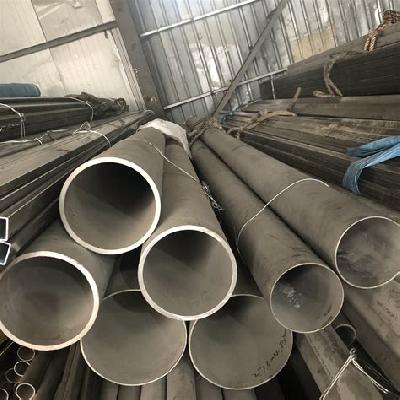
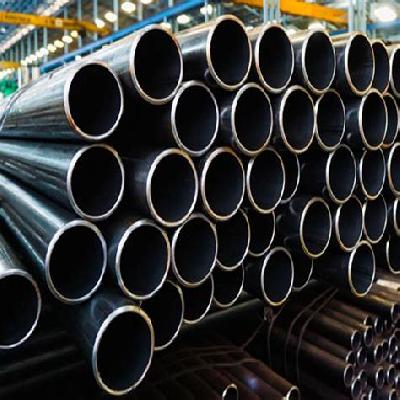
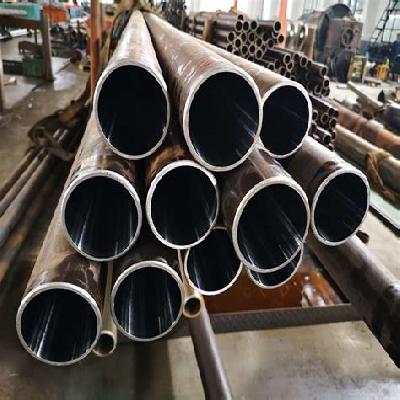
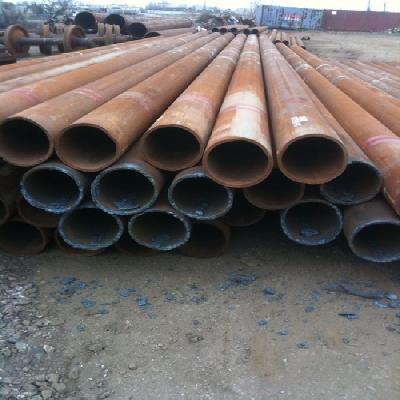
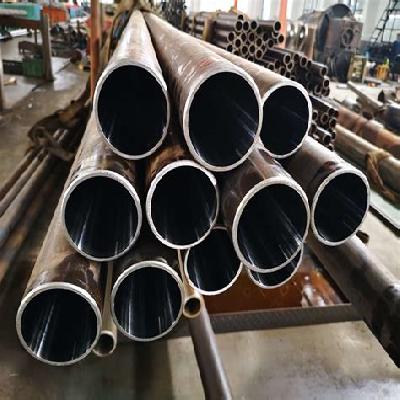
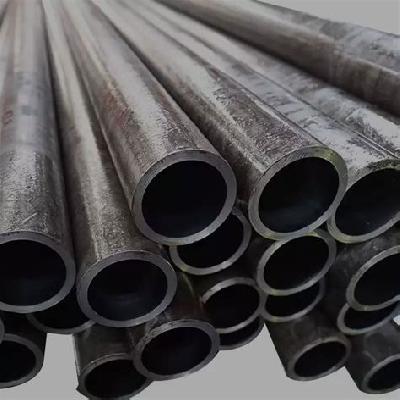
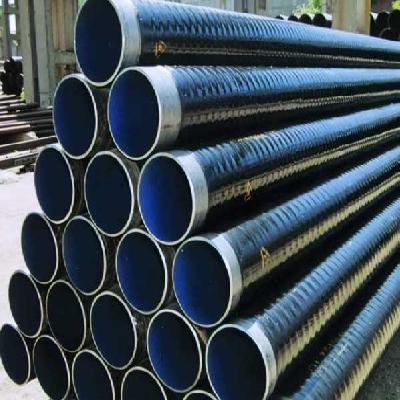
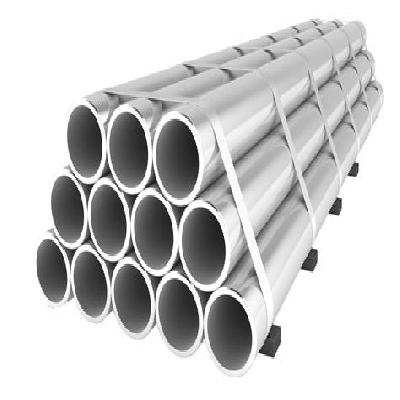
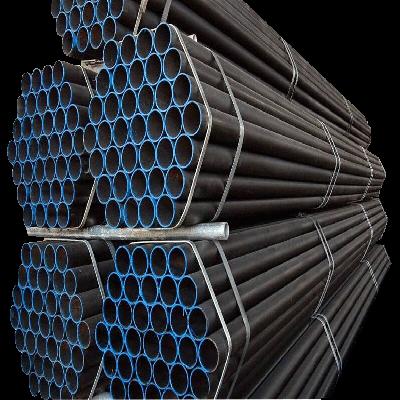
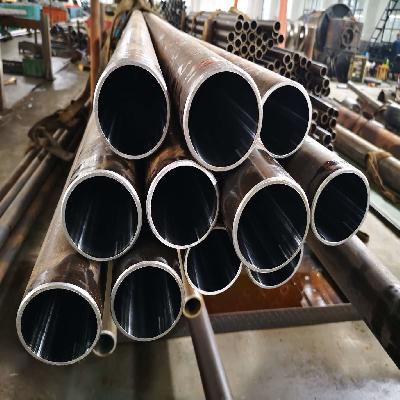
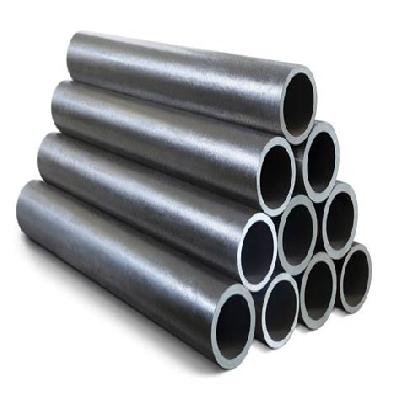
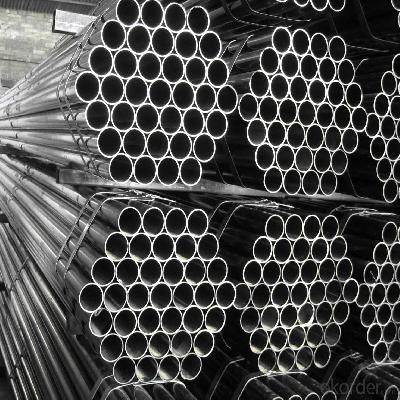
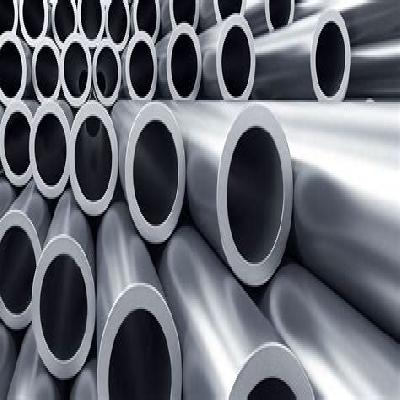
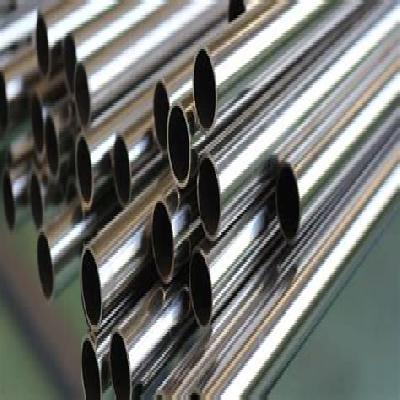
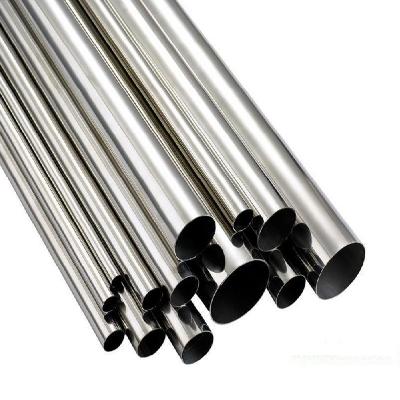
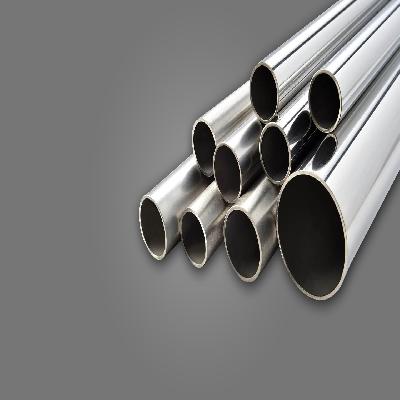
Seamless pipe is a type of steel pipe that does not have any welding or joints in it, giving it a smooth and continuous surface. It is made by rolling and shaping steel into a cylindrical shape without any seams or welds.
Where To Use Seamless Pipe
Seamless pipe is widely used in various industries such as oil and gas, construction, and manufacturing due to its high strength, durability, and resistance to corrosion.
Key Features Of Seamless Pipe
High strength and durability
Resistance to corrosion and wear
Smooth surface for easy flow of fluids
Long lifespan with minimal maintenance required
How To Use Seamless Pipe
Transporting fluids and gases in pipelines
Conveying high-pressure steam and water
Piping systems for industrial processes
Structural applications such as construction and architecture
How Seamless Pipe Is Manufactured
Seamless pipe is manufactured by rolling and shaping steel into a cylindrical shape without any seams or welds. The process involves heating the steel to a high temperature, then using a machine to roll it into a tube-like shape.
Technical Specification Of Seamless Pipe
Diameter:
1/2" to 24" (15mm to 610mm)
Wall Thickness:
Schedule 10, Schedule 40, Schedule 80
Length:
20' to 40' (6.1m to 12.2m)
Surface Finish:
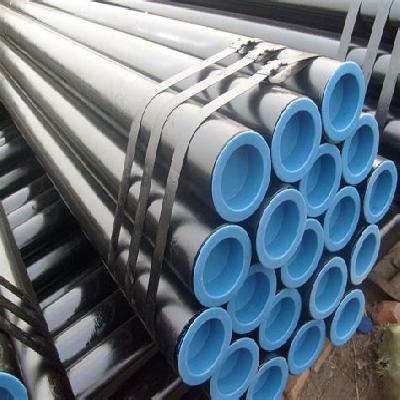
Pickled, Oiled, Black Coated
The technical specifications of seamless pipe include the diameter, wall thickness, length, and surface finish. The diameter ranges from 1/2" to 24", with a typical schedule for different applications. The wall thickness is available in various schedules, including Schedule 10, Schedule 40, and Schedule 80. The length can vary between 20' to 40', depending on the specific requirements of the project. Finally, the surface finish can be pickled, oiled, or black coated, depending on the desired level of corrosion resistance.
Description Of Seamless Pipe
Seamless pipe is a type of steel pipe that is highly resistant to corrosion and wear, making it suitable for use in various industrial applications.