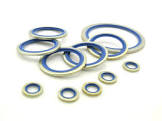
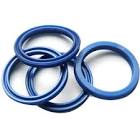
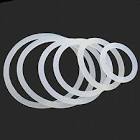
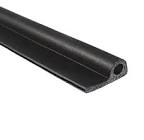
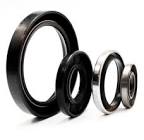
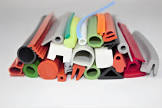
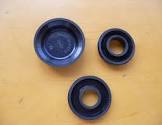
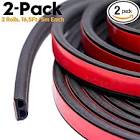
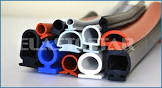
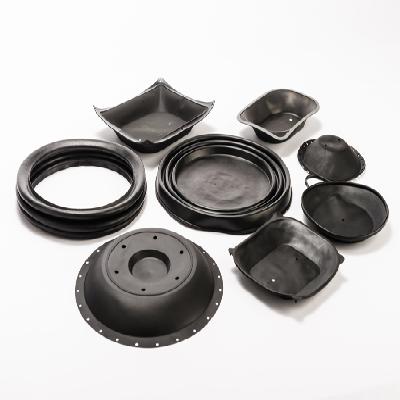
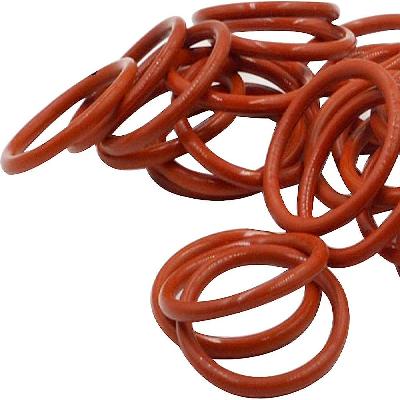
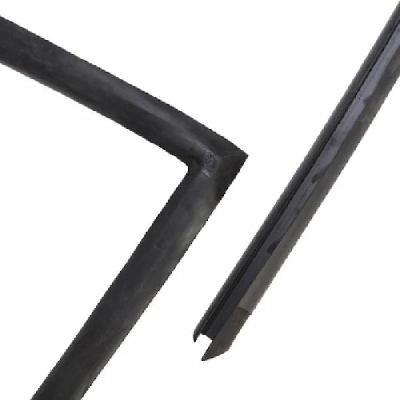
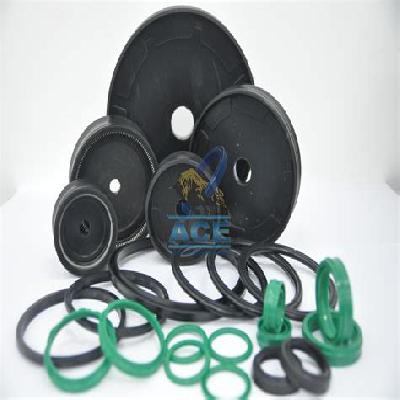
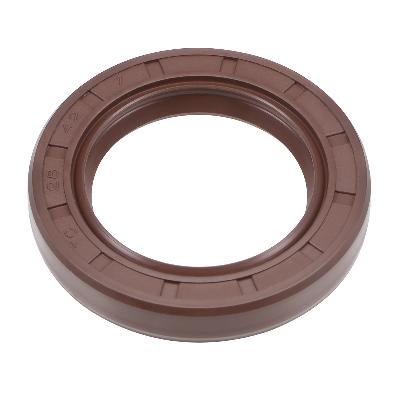
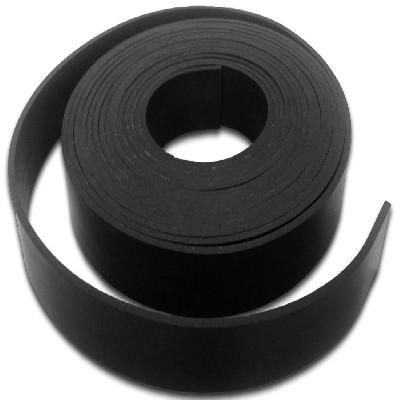
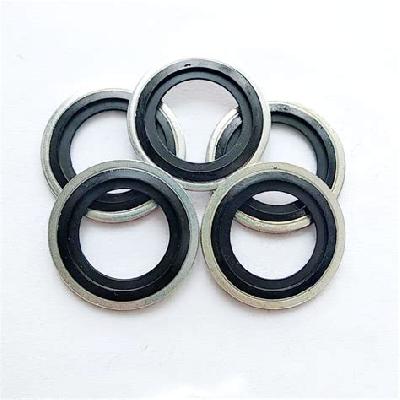
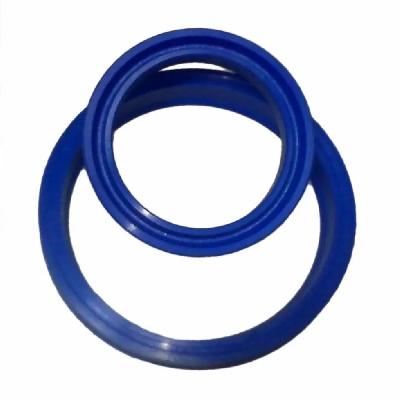
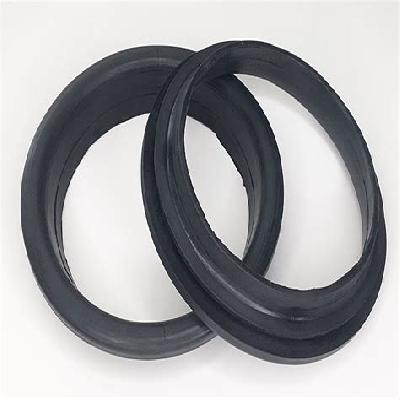
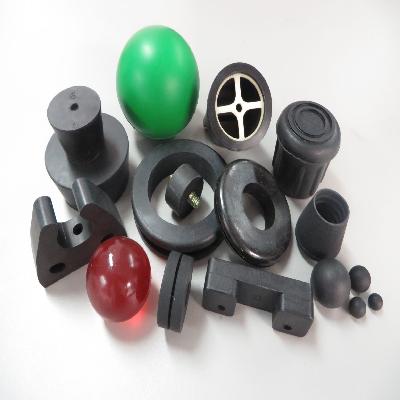
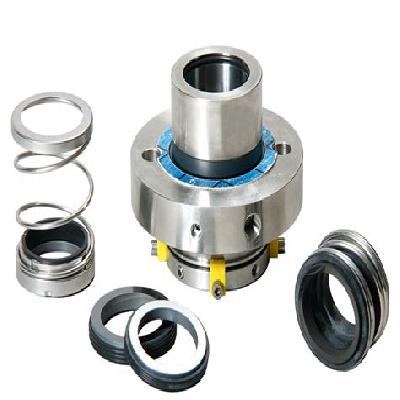
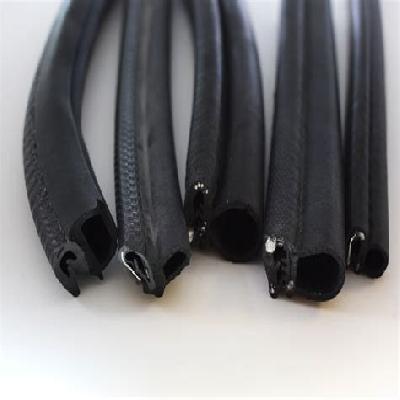
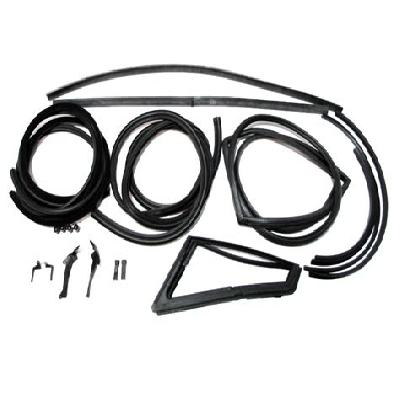
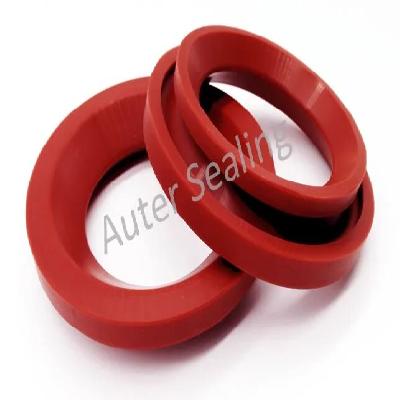
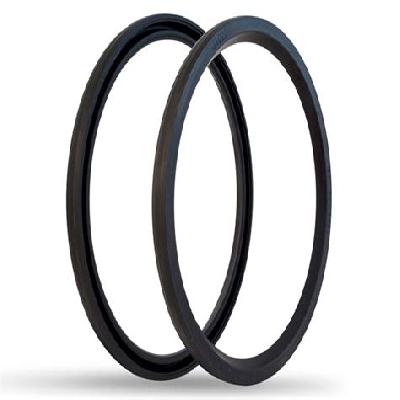
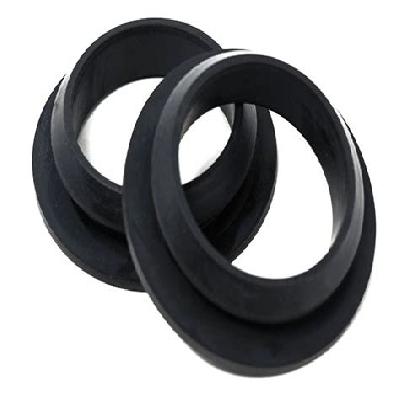
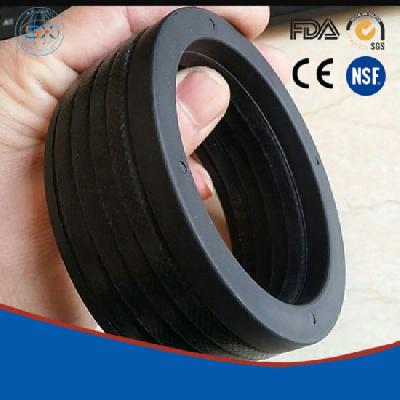
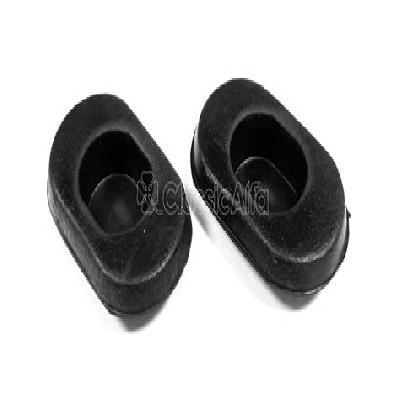
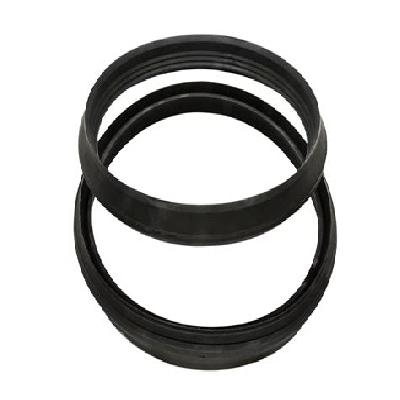
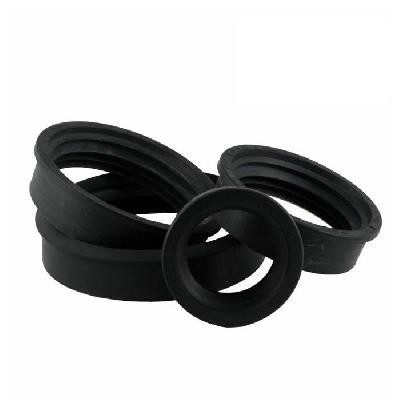
Rubber seals are a type of gasket or seal made from rubber materials, designed to prevent leakage and provide sealing in various applications.
Where To Use Rubber Seals
Rubber seals can be used in various industrial applications, including machinery, engines, and hydraulic systems.
They are also used in automotive applications, such as in engine compartments and transmission systems.
Rubber seals can be found in marine equipment, pumps, valves, and other mechanical devices.
Key Features Of Rubber Seals
Chemical resistance: Rubber seals can withstand exposure to various chemicals, including fuels, oils, and lubricants.
Temperature range: Rubber seals can operate within a wide temperature range, from -40°C to 150°C (-40°F to 302°F).
Durability: Rubber seals are designed to last long, with some types lasting up to several years without maintenance.
Easy installation: Rubber seals are relatively easy to install and replace, reducing downtime and increasing productivity.
How To Use Rubber Seals
Choose the correct type and size of rubber seal for your application.
Clean the surface where the seal will be installed to ensure proper adhesion.
Apply a thin layer of lubricant or adhesive to facilitate easy installation.
Install the rubber seal carefully, ensuring it is properly seated and aligned.
How Rubber Seals Is Manufactured
Rubber seals are typically manufactured using a combination of rubber compounds and moldings.
Technical Specification Of Rubber Seals
Inner Diameter:
25-200mm
Outer Diameter:
30-250mm
Temperature Range:
-40°C to 150°C (-40°F to 302°F)
Finish:
Smooth, matte finish
The technical specifications of rubber seals are designed to ensure proper sealing and durability in various applications. The inner diameter ranges from 25-200mm, while the outer diameter ranges from 30-250mm. The temperature range is -40°C to 150°C (-40°F to 302°F), making it suitable for use in a wide range of environments. A smooth, matte finish ensures easy installation and reduces friction.
Description Of Rubber Seals
Rubber seals are a type of gasket or seal made from rubber materials, designed to prevent leakage and provide sealing in various applications.
Related Products & Synonyms Of Rubber Seals
Rubber seals have several related products and synonyms, including:
Dowty Seal: A type of rubber seal designed for use in hydraulic systems.
Hydraulic Rubber Seal: A type of rubber seal designed for use in high-pressure applications.
Silicon Seals: A type of rubber seal made from silicon materials, known for its chemical resistance and durability.
Industrial Rubber Seal: A type of rubber seal designed for use in industrial applications.
NBR Seal: A type of rubber seal made from nitrile butadiene rubber (NBR), known for its oil resistance and durability.
Extruded Rubber Seal: A type of rubber seal manufactured using an extrusion process, known for its uniform thickness and accuracy.
Rubber Piston Seals: A type of rubber seal designed for use in piston applications.
Auto Rubber Seal: A type of rubber seal designed for use in automotive applications.
Extruded Seal: A type of rubber seal manufactured using an extrusion process, known for its uniform thickness and accuracy.
Rubber Diaphragms: A type of rubber seal designed for use in diaphragm applications.
Silicone Rubber Seal: A type of rubber seal made from silicon materials, known for its chemical resistance and durability.
Container Rubber Seal: A type of rubber seal designed for use in container applications.
Synonyms for rubber seals include:
Natural Rubber Seal: A type of rubber seal made from natural rubber materials.
Rubber Sealed Parts: A term used to describe parts sealed with rubber materials.
Rubber Molded Seal: A type of rubber seal manufactured using a molding process, known for its accuracy and precision.
Solid Rubber Seals: A type of rubber seal made from solid rubber materials, known for its durability and chemical resistance.