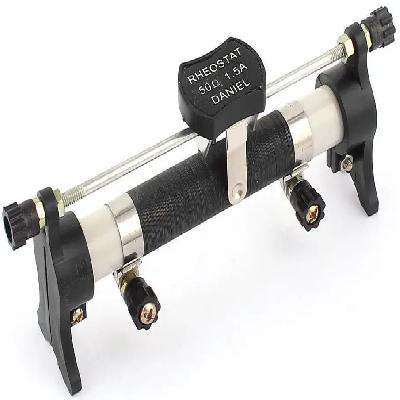
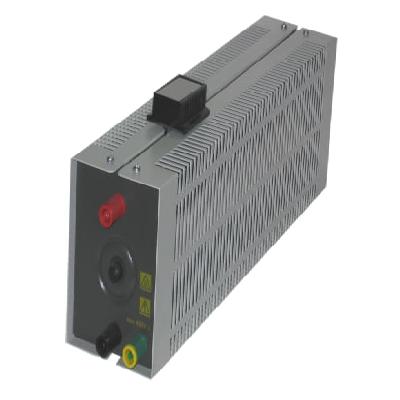
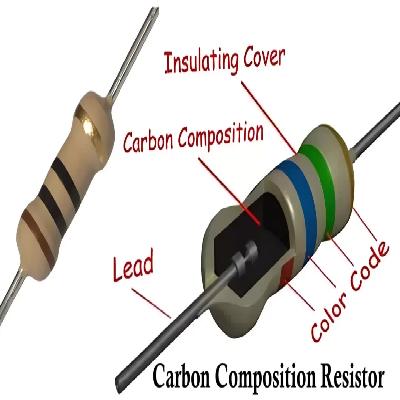
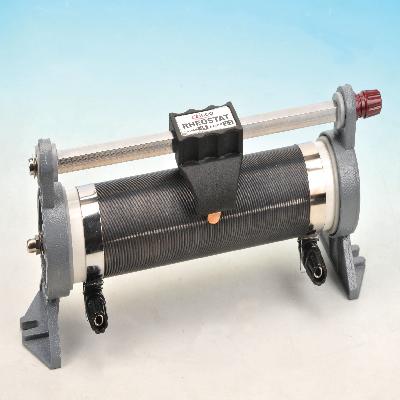
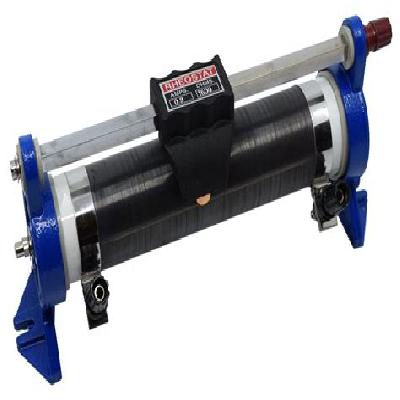
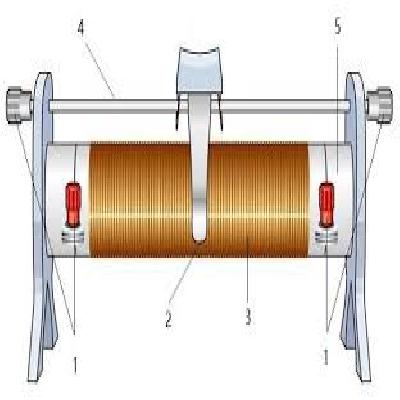
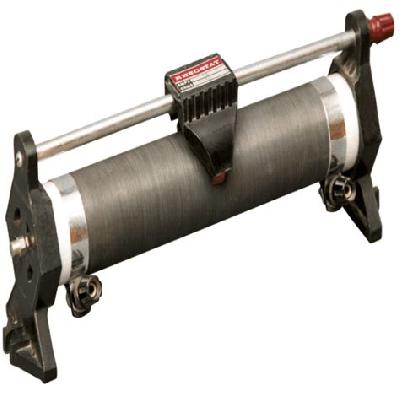
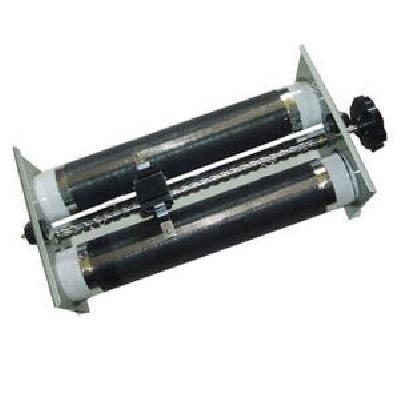
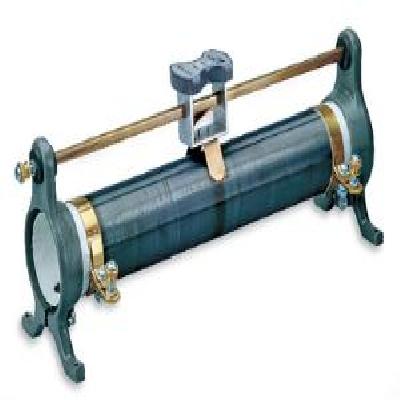
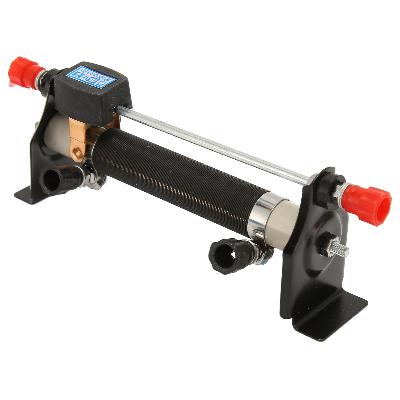
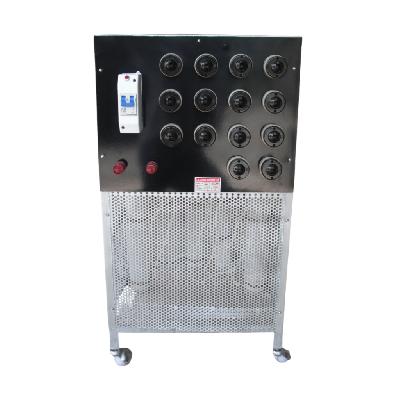
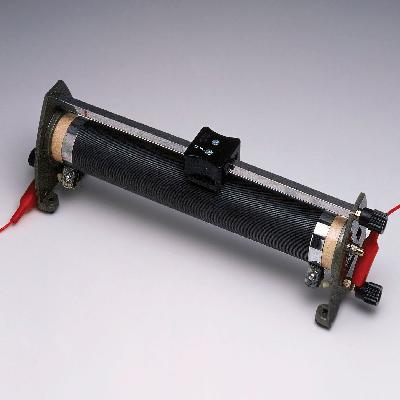
A rheostat is an electrical device used to control the voltage and current in a circuit by varying its resistance. It is commonly used in applications where precise control over the power supply is required.
Where To Use Rheostats
Laboratories and research institutions for precise control over experimental equipment.
Industrial settings where power supply needs to be controlled and regulated.
Educational institutions for teaching purposes, allowing students to experiment with electrical circuits.
Key Features Of Rheostats
Adjustable resistance range to suit various applications.
High power rating for efficient operation in demanding environments.
Accurate tolerance for precise control over the circuit.
Durable construction with long lifespan.
How To Use Rheostats
Connect the rheostat in series with the load circuit.
Adjust the resistance to the desired level using the control knob or lever.
Maintain proper ventilation and keep the device away from heat sources.
How Rheostats Is Manufactured
The manufacturing process involves selecting high-quality materials, precise cutting and shaping of the metal components, assembly of the internal resistive elements, and final testing for performance and durability.
Technical Specification Of Rheostats
Resistance Range (?)
10 - 1000
Power Rating (W)
50 - 5000
Tolerance (%)
±1 - ±5
Shaft Diameter (mm)
10 - 50
Dimensions (mm)
100x100x20 - 200x200x50
Weight (kg)
0.5 - 10
Rotational Life (hours)
5000 - 20000
Shaft Length (mm)
100 - 500
Mounting Type
Panel, Base, or custom
Shaft Type
Cylindrical, hexagonal, or custom
The technical specifications of rheostats play a crucial role in determining their suitability for specific applications. The resistance range, power rating, tolerance, and other parameters ensure that the device can handle various loads and provide precise control over the circuit. Manufacturers carefully select materials and design the internal resistive elements to achieve optimal performance. Regular testing is conducted to guarantee compliance with industry standards and regulatory requirements.
Description Of Rheostats
A rheostat is a versatile electrical device that allows for precise control over voltage and current in a circuit. Its adjustable resistance range, high power rating, and durable construction make it an essential component in various applications, from laboratories to industrial settings.
Related Products & Synonyms Of Rheostats
Rheostats are related to other electrical devices that provide resistance and control over power supply, such as:
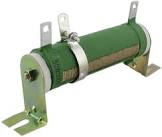
Wire Wound Rheostat: A type of rheostat with a wire wound resistive element.
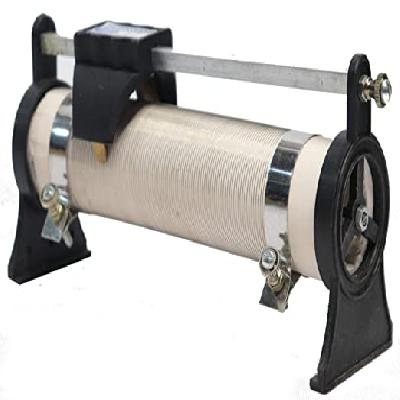
Sliding Rheostat: A rheostat with a sliding contact that allows for easy adjustment of the resistance.
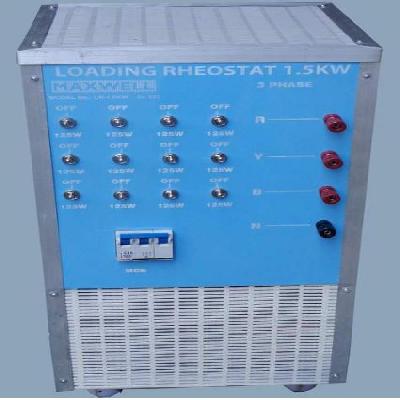
Loading Rheostat: A rheostat designed to handle high-power loads and provide precise control over the circuit.
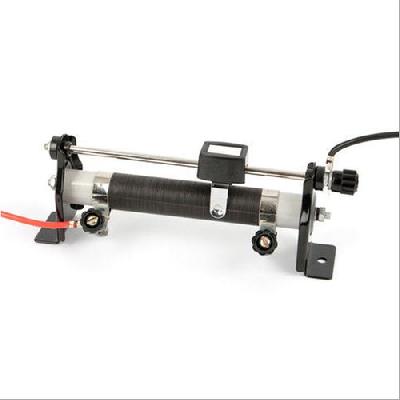
Single Tube Rheostat: A compact version of the rheostat, ideal for applications where space is limited.
Synonyms of rheostats include adjustable resistors and variable resistors, which refer to devices that can change their resistance value in response to external control signals.