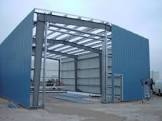
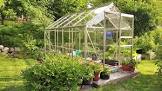
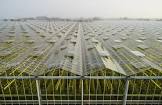
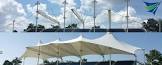
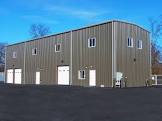
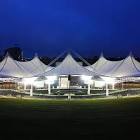
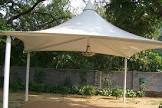
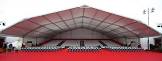
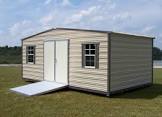
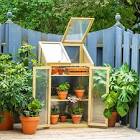
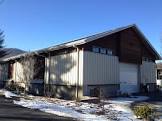
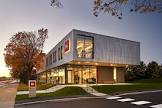
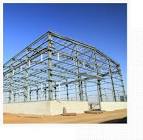
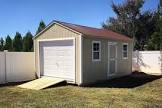
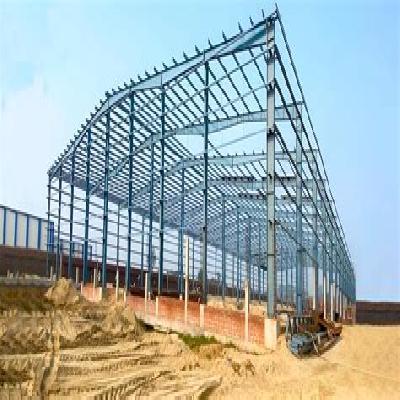
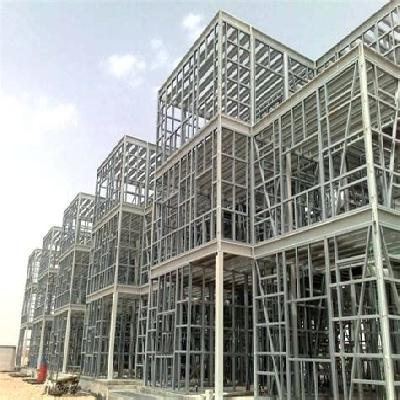
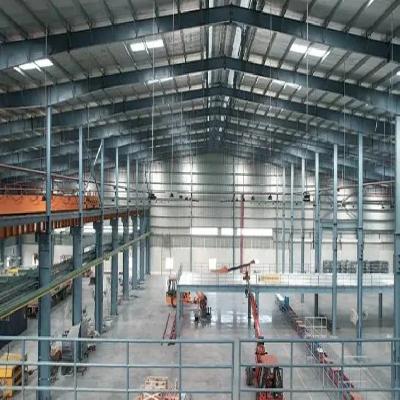
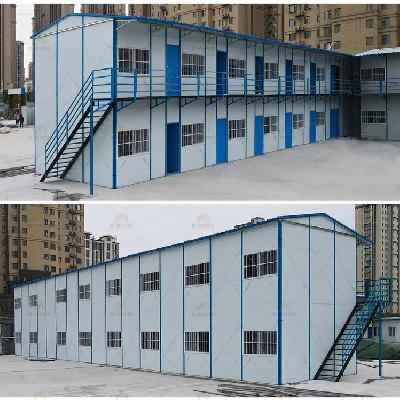
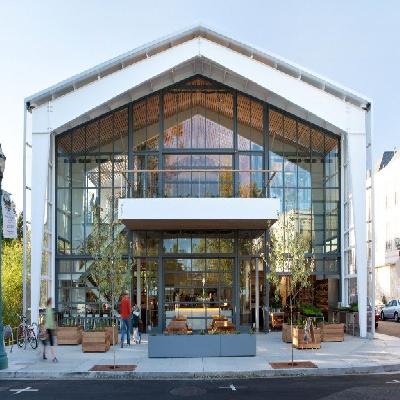
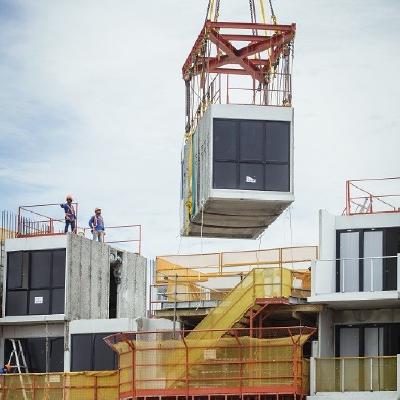
Prefabricated structures are pre-fabricated buildings or modules that are manufactured in a factory and then assembled on-site. They are designed to provide a cost-effective, efficient, and environmentally friendly alternative to traditional building methods.
Where To Use Prefabricated Structures
Prefabricated structures can be used in a variety of settings, including:
Industrial and commercial buildings
Residential homes and apartments
Schools and universities
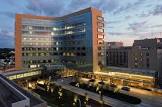
Hospitals and healthcare facilities
Government buildings and offices
Key Features Of Prefabricated Structures
Fast construction time
High-quality and durable materials
Energy-efficient design
Reduced waste and environmental impact
Cost-effective
How To Use Prefabricated Structures
Design and plan the structure according to your needs

Select the prefabricated components and materials
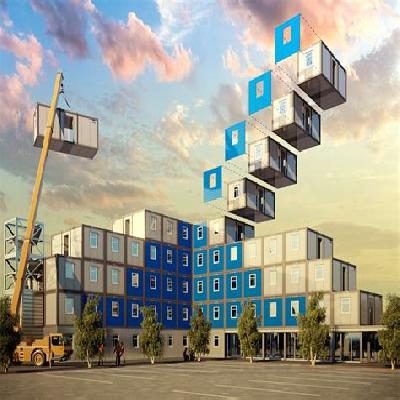
Assemble the structure on-site using a crane or other equipment
Connect the electrical, plumbing, and HVAC systems
Finish the interior with flooring, walls, and ceilings
How Prefabricated Structures Is Manufactured
Prefabricated structures are manufactured in a factory using high-quality materials and advanced technology. The process typically involves:
Designing and planning the structure
Cutting and assembling the components
Installing electrical, plumbing, and HVAC systems
Finishing the interior with flooring, walls, and ceilings
Testing and inspecting the structure before shipping
Technical Specification Of Prefabricated Structures
Floor Area:
500-2000 sq. ft.
Wall Thickness:
10-20 mm
Wind Load Capacity:
100-500 kg/m²
Insulation Thickness:
10-20 mm
The technical specifications of prefabricated structures are designed to provide a high level of quality and performance. The floor area can range from 500 to 2000 sq. ft., depending on the specific requirements of the project. The wall thickness is typically between 10-20 mm, while the wind load capacity can vary from 100-500 kg/m². Additionally, the insulation thickness is designed to provide energy efficiency and reduce heat loss.
The technical specifications of prefabricated structures are designed to meet the needs of various industries and applications. The specifications can be customized according to the specific requirements of the project, including factors such as climate, location, and usage patterns. By selecting the right materials and design, prefabricated structures can provide a high level of quality, durability, and performance.
Description Of Prefabricated Structures
Prefabricated structures are designed to provide a cost-effective, efficient, and environmentally friendly alternative to traditional building methods. They can be used in various settings, including industrial and commercial buildings, residential homes and apartments, schools and universities, hospitals and healthcare facilities, government buildings and offices.
Related Products & Synonyms Of Prefabricated Structures
The following are some related products and synonyms of prefabricated structures:
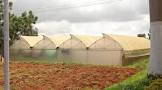
Polyhouse: A type of greenhouse made from polyethylene film
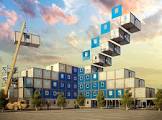
Prefabricated Buildings: Modular buildings that are manufactured in a factory
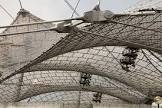
Tensile Structures: Lightweight structures made from fabric or other materials
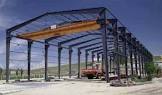
Pre Engineered Building Structure: A type of building structure that is pre-fabricated and assembled on-site
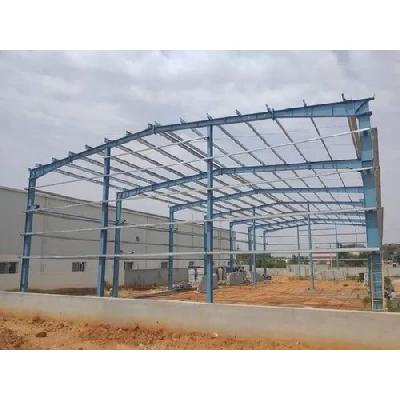
Prefabricated Steel Buildings: Buildings made from steel frames and prefabricated components
Greenhouse: A type of glass-enclosed structure for growing plants
Agricultural Greenhouses: Greenhouses designed for agricultural purposes
Modular Tensile Structure: A type of tensile structure that is modular in design
Prefabricated Warehouse: A warehouse made from prefabricated components
Green House Structure: A type of greenhouse structure made from various materials
Tensile Membrane Structures: Lightweight structures made from fabric or other materials
Gazebo Tensile Structure: A type of gazebo designed with a tensile membrane
Naturally Ventilated Greenhouse: A greenhouse that uses natural ventilation instead of mechanical systems
Prefabricated School Building: A school building made from prefabricated components
Temporary Buildings: Buildings designed for temporary use, often in emergency situations
Aluminium Structure: A structure made from aluminium materials and frames
Auditorium Tensile Structure: A type of auditorium designed with a tensile membrane
Portable Buildings: Buildings that can be easily transported or relocated
Mini Greenhouse: A small greenhouse for growing plants
Prefabricated Metal Building: A building made from prefabricated metal components and frames
Modular Buildings: Buildings designed with modular units, often in a factory
Pre Engineered Metal Buildings Services: Design and construction services for pre-engineered metal buildings
Mist Chamber: A type of chamber used for cooling or humidifying plants
Storage Buildings: Buildings designed for storage purposes
Prefabricated Hospitals: Hospitals made from prefabricated components
Agricultural Buildings: Buildings designed for agricultural purposes, such as animal shelters and crop drying facilities