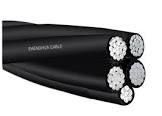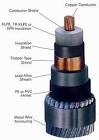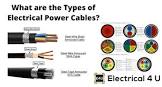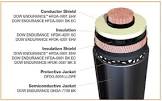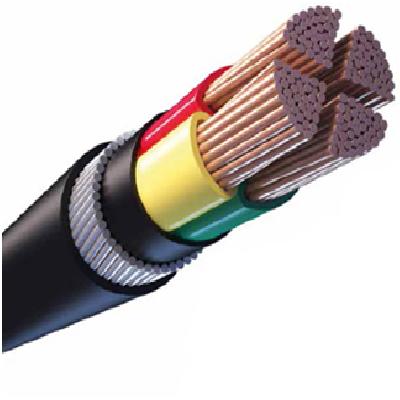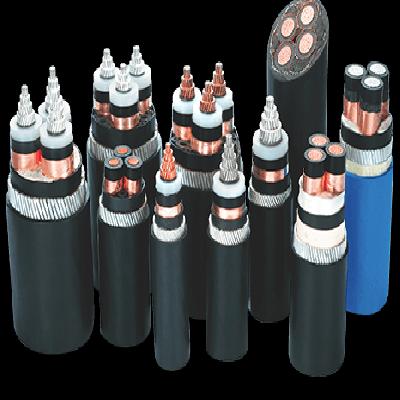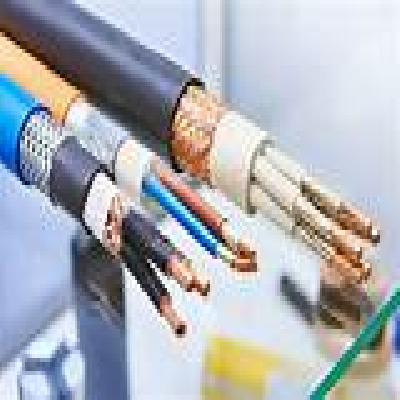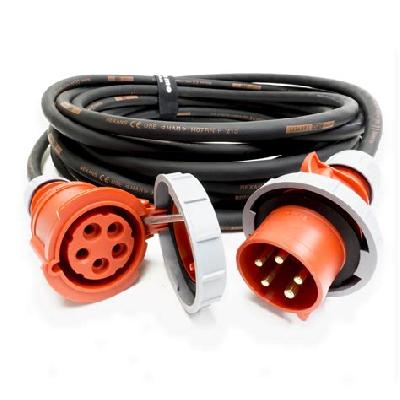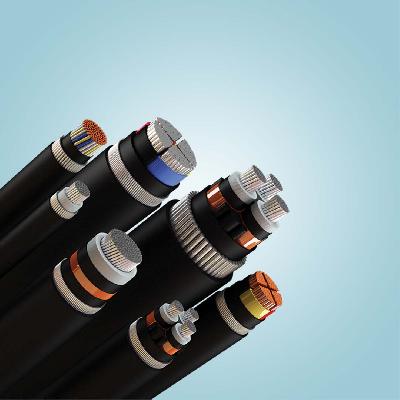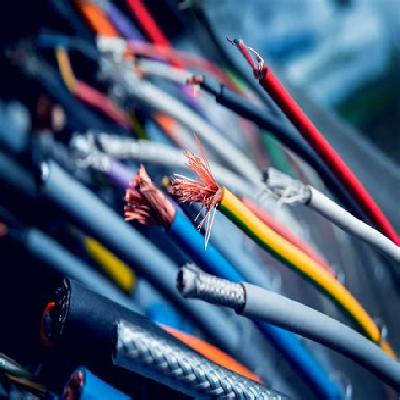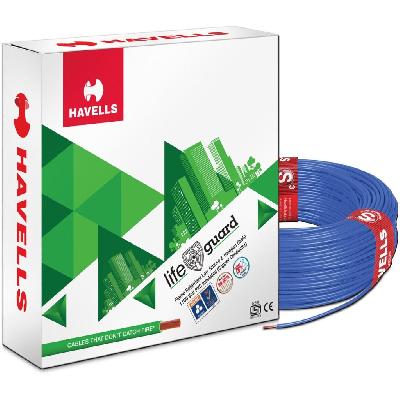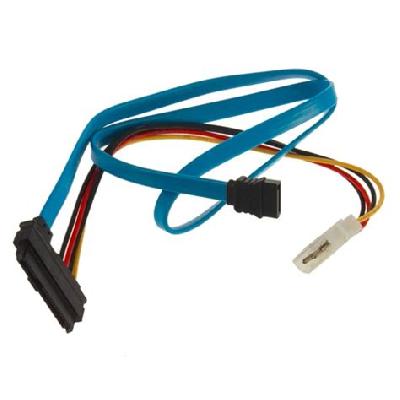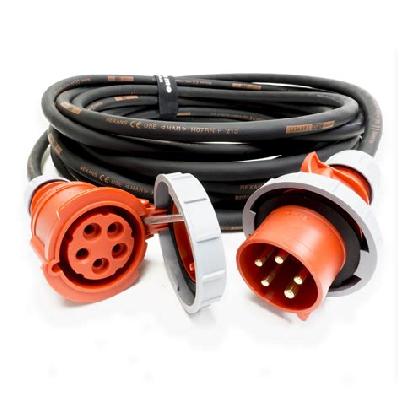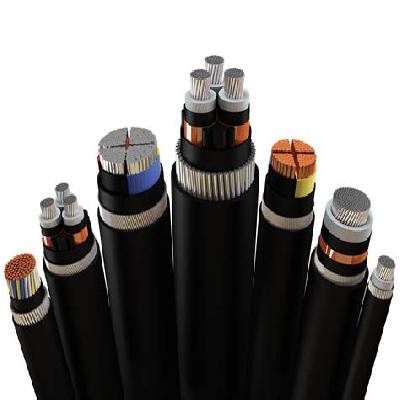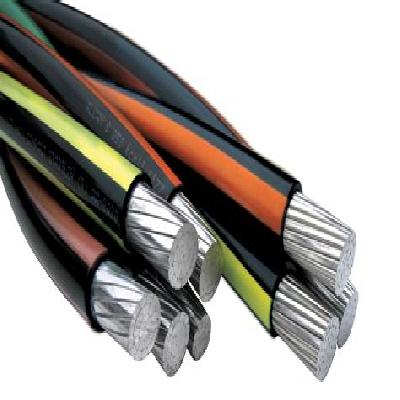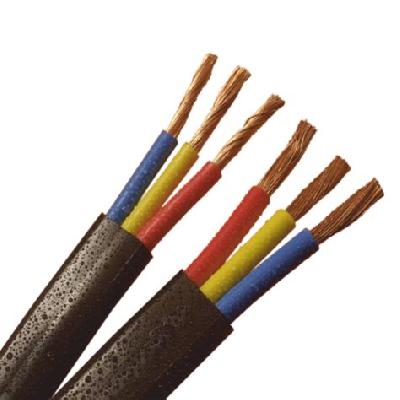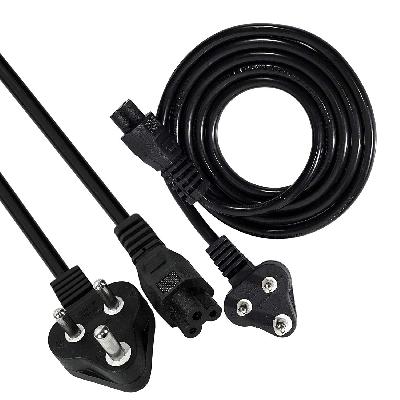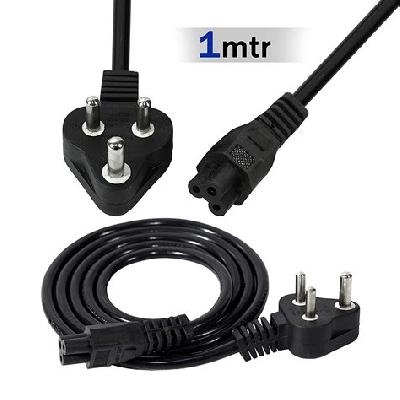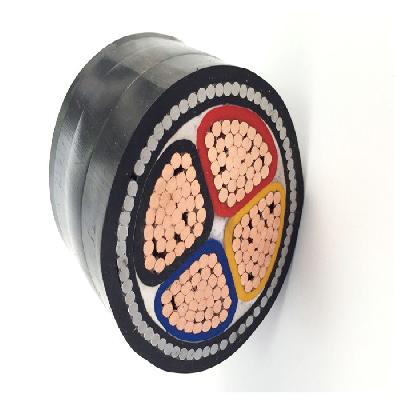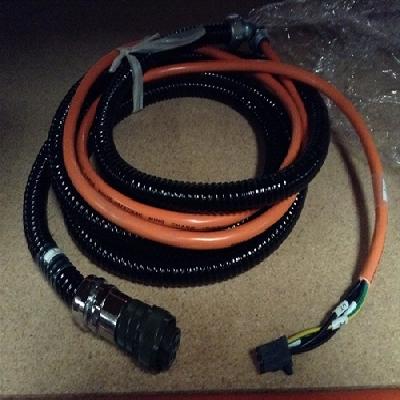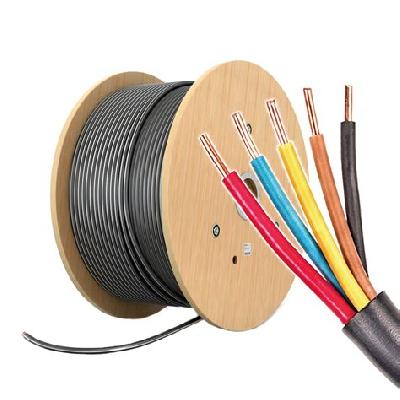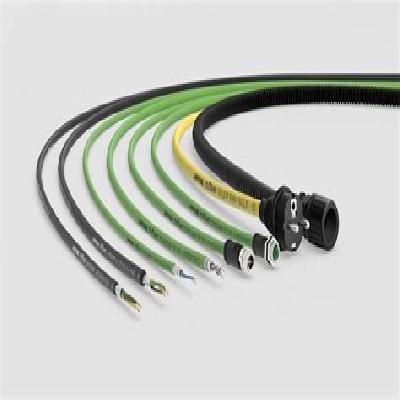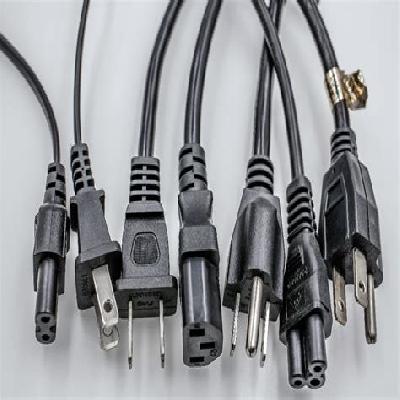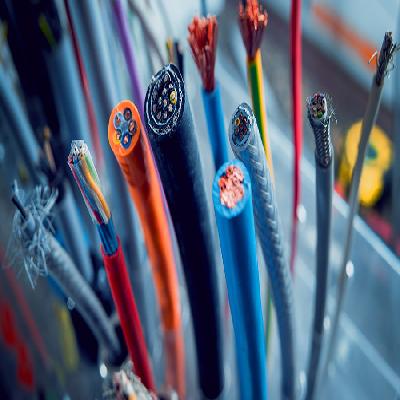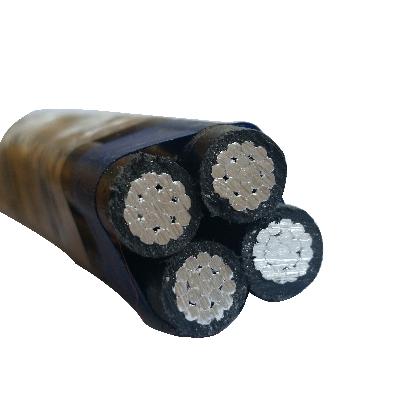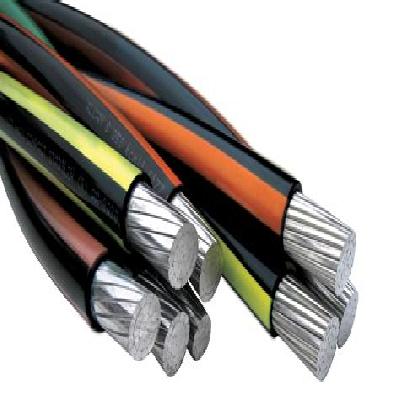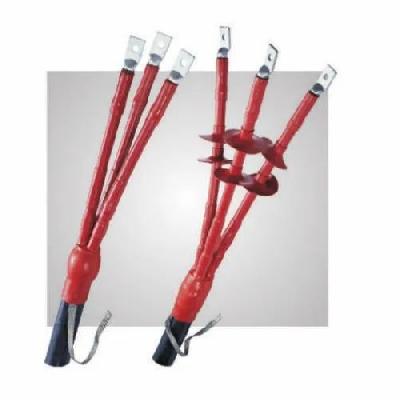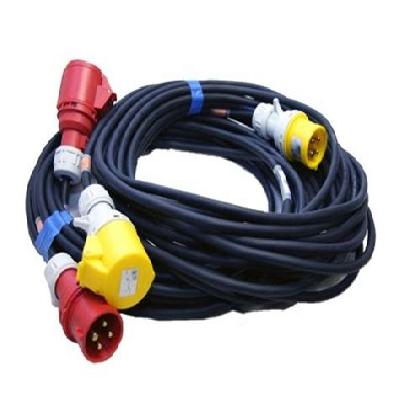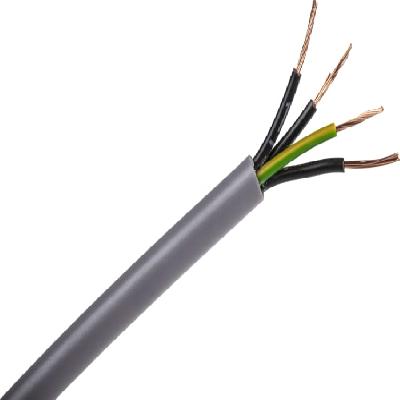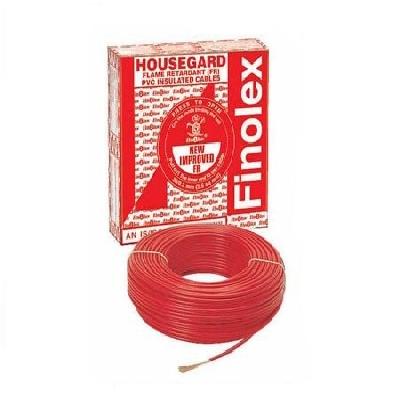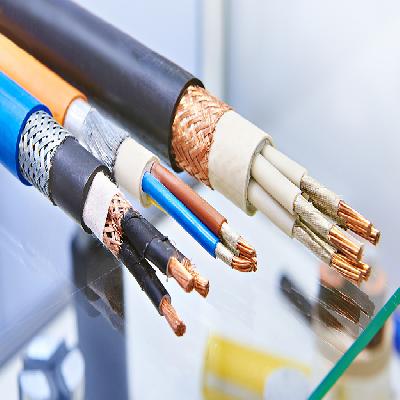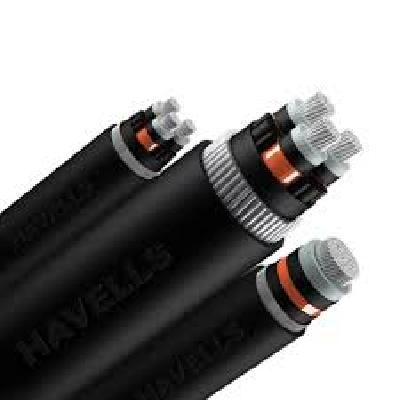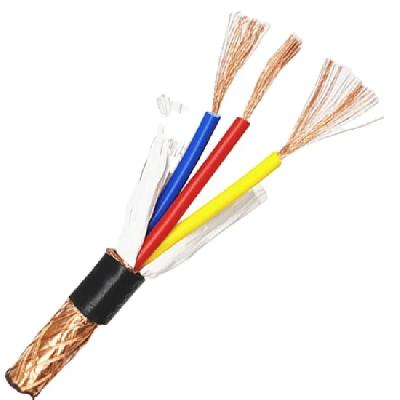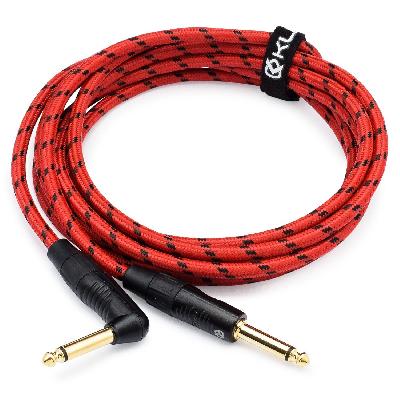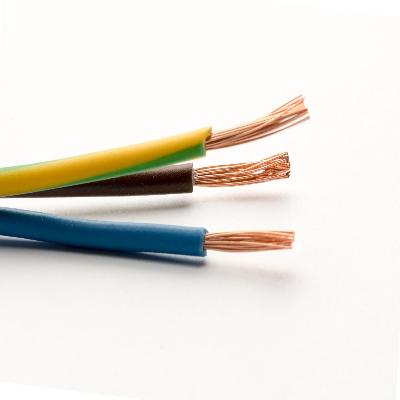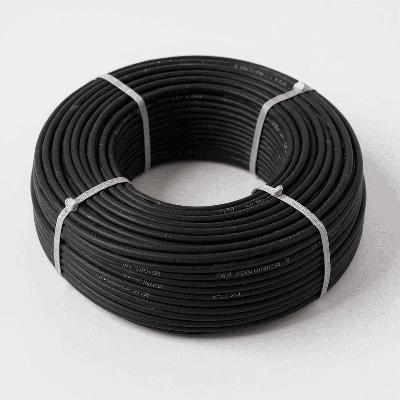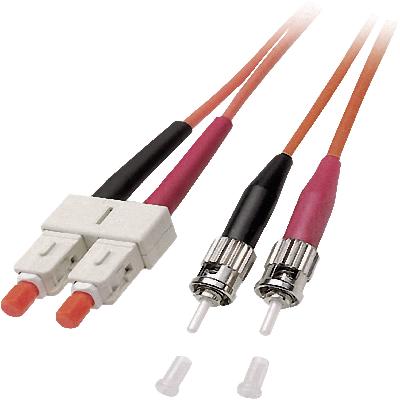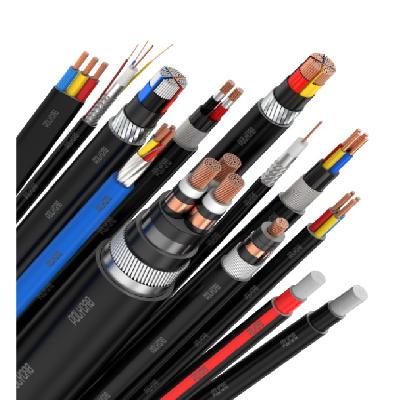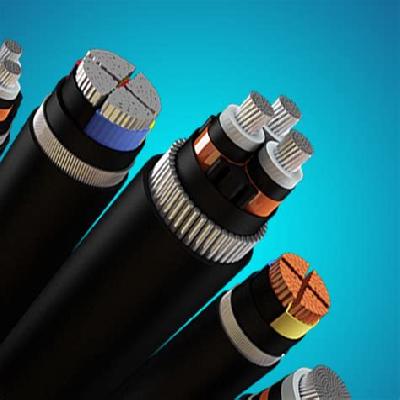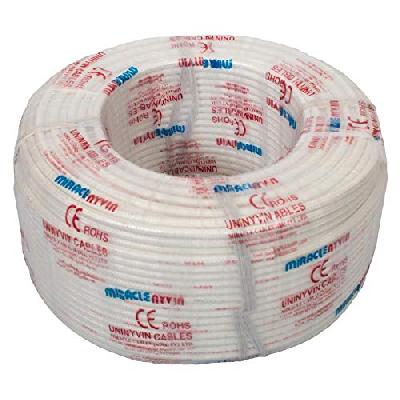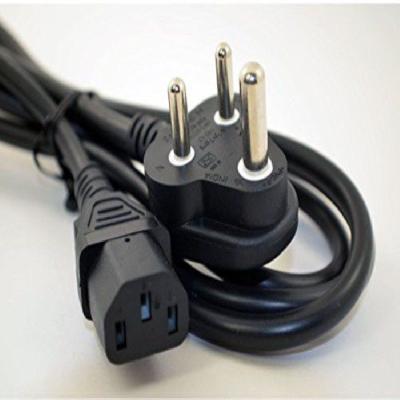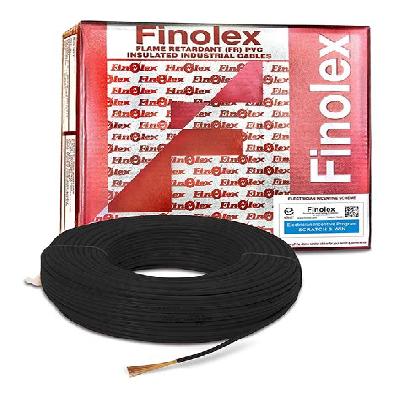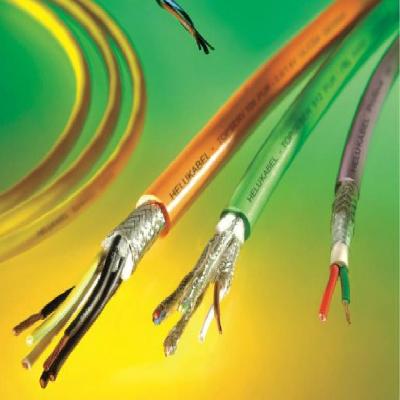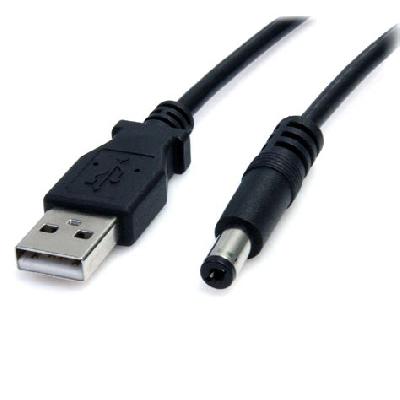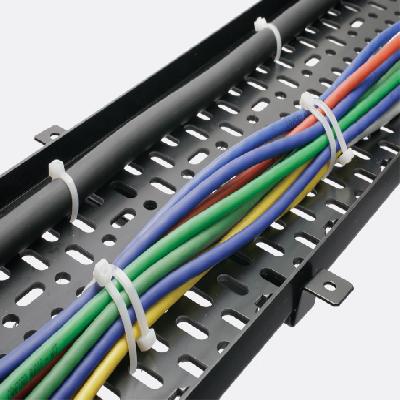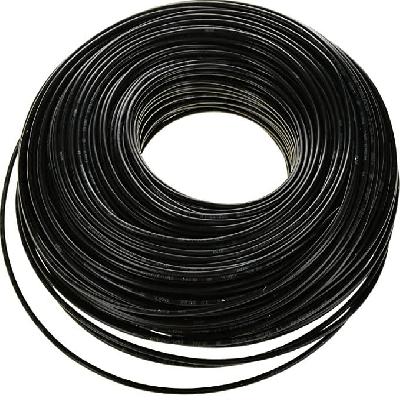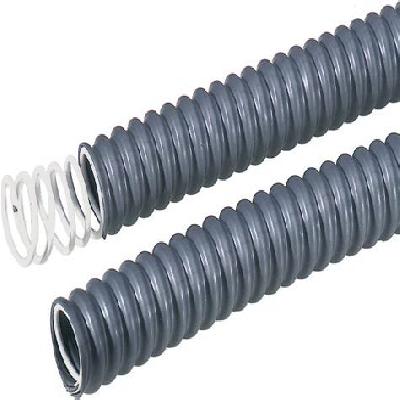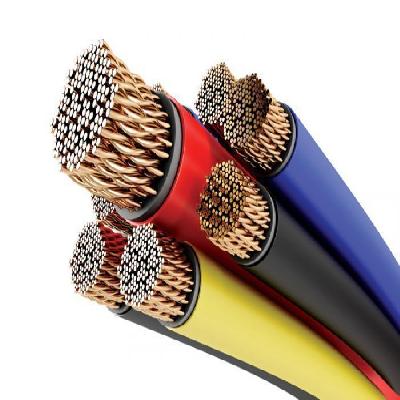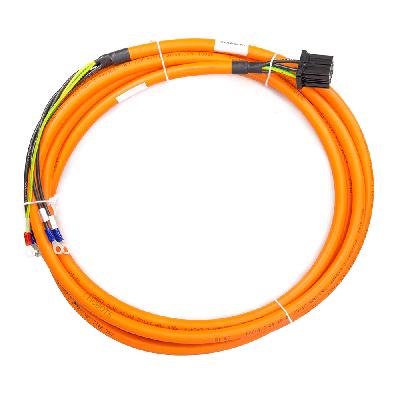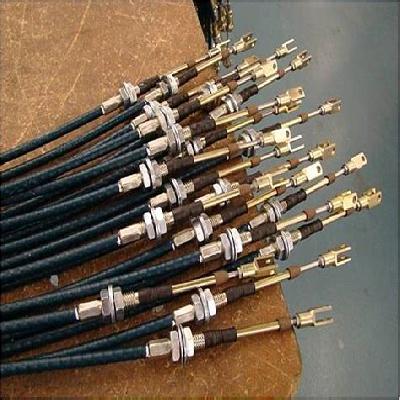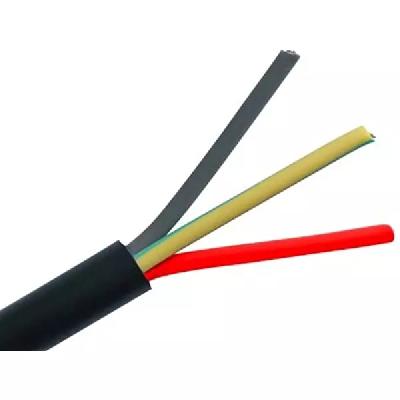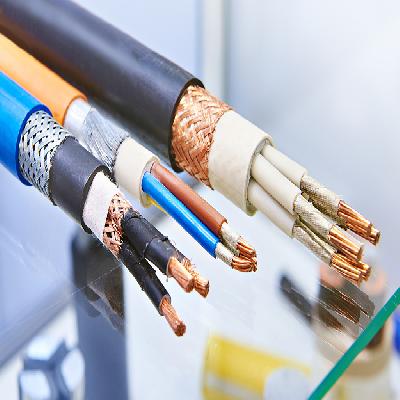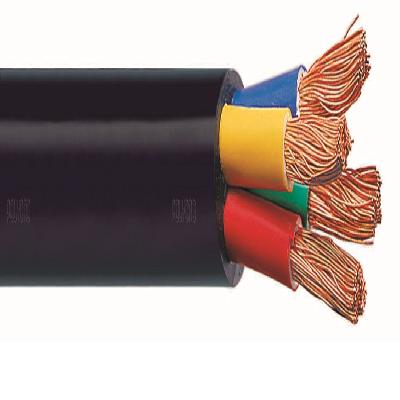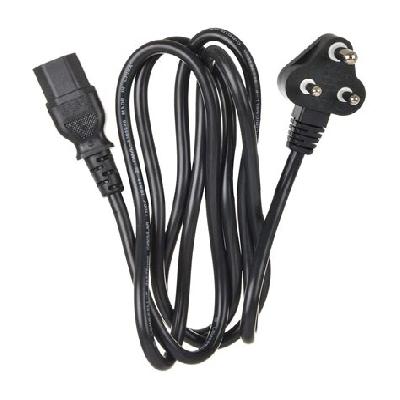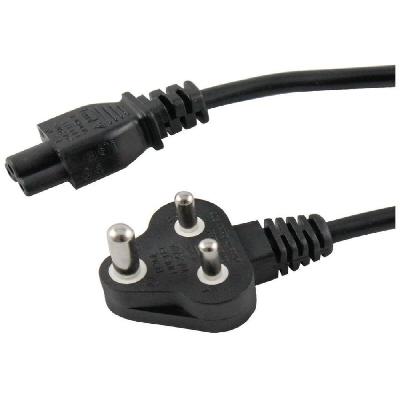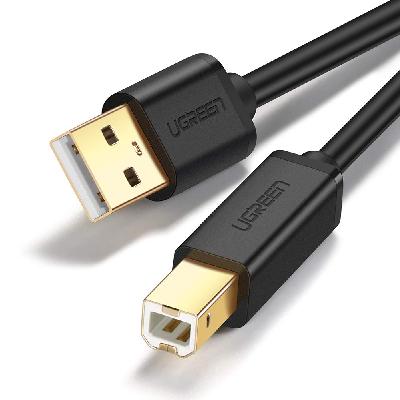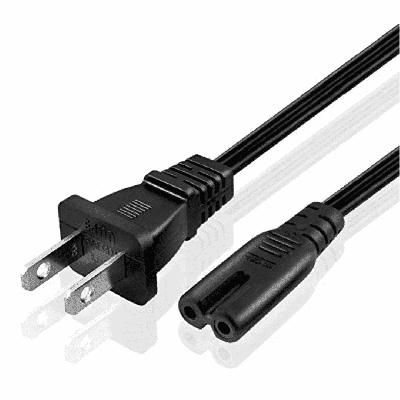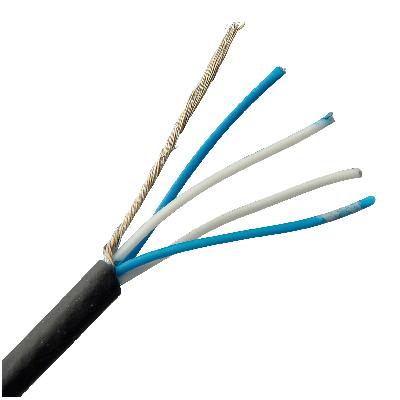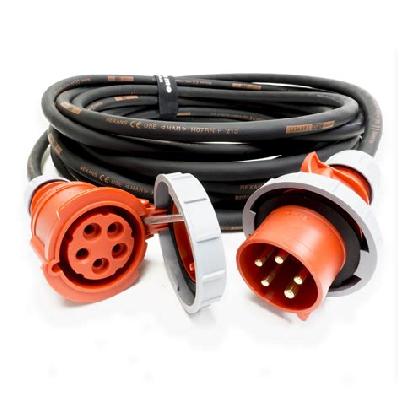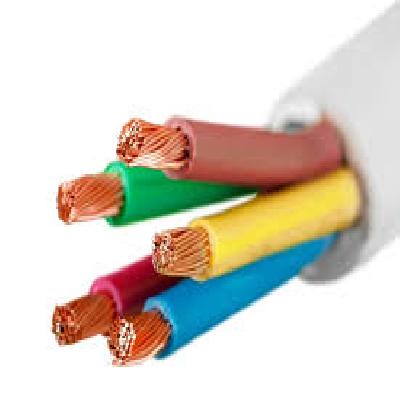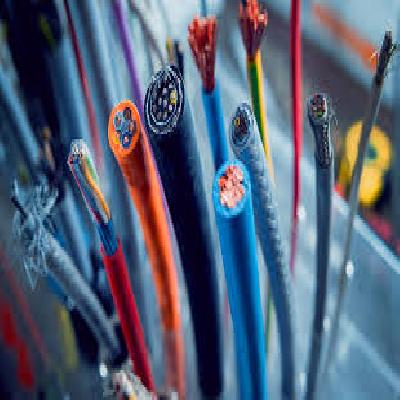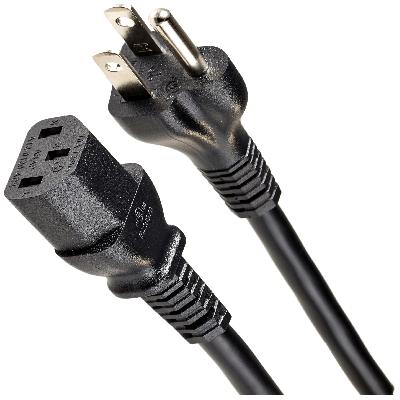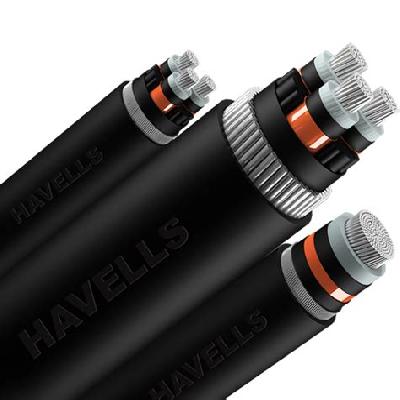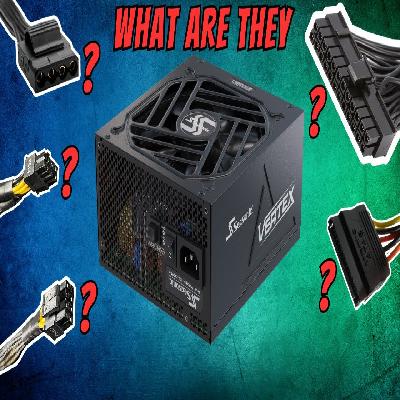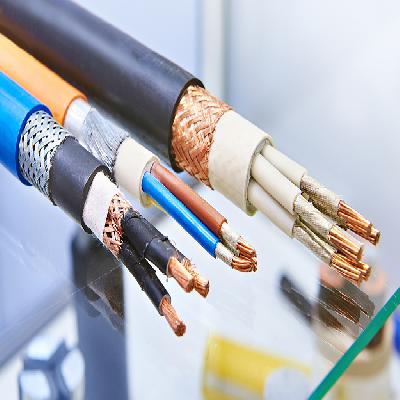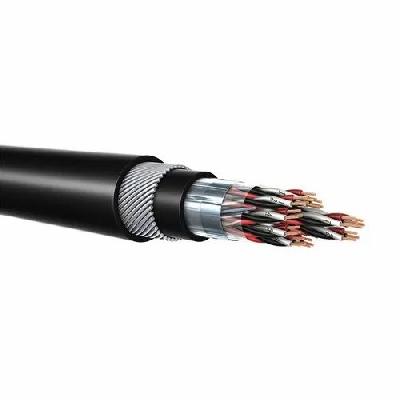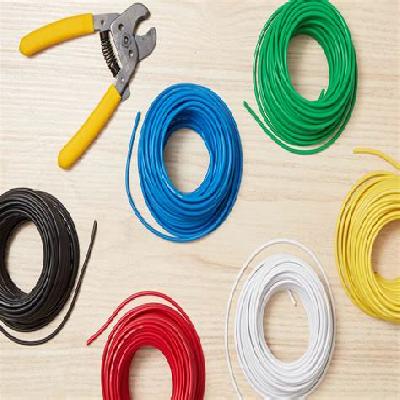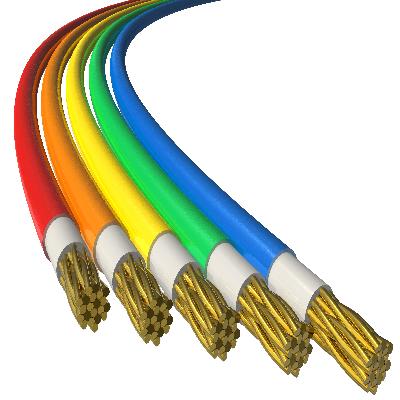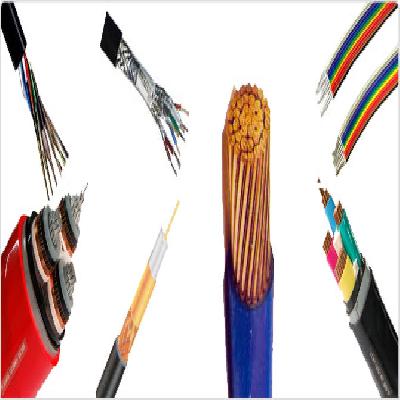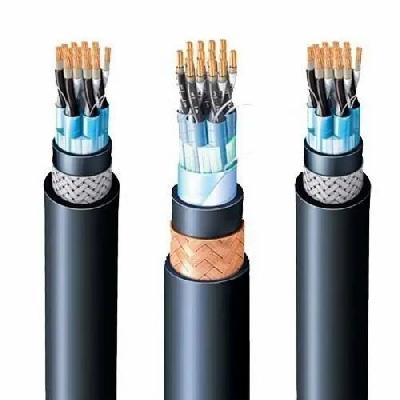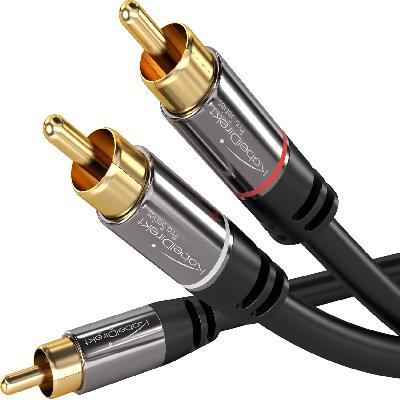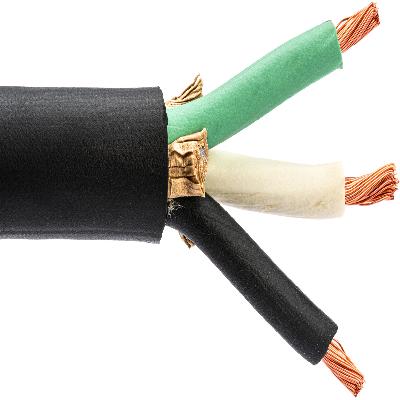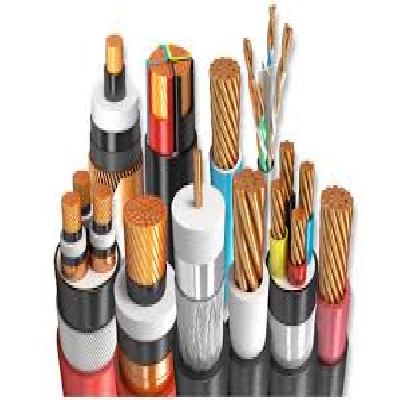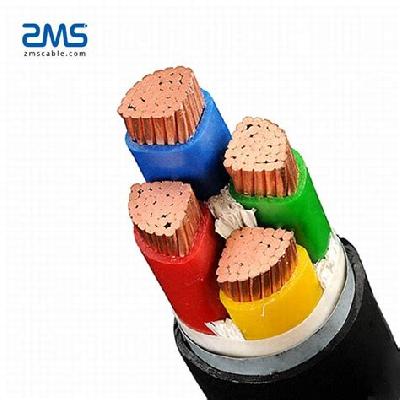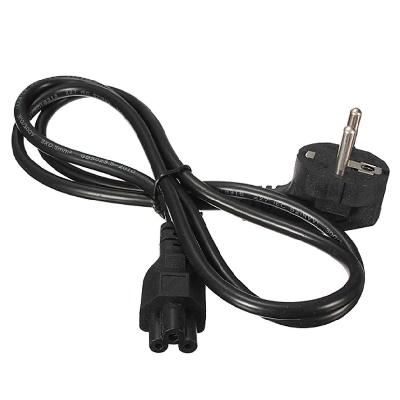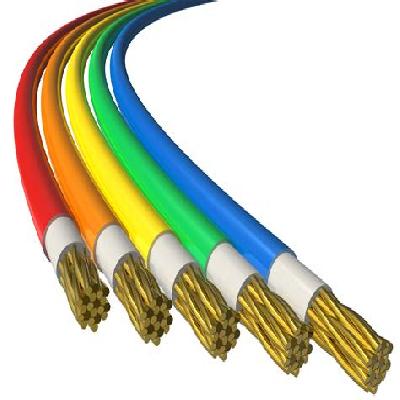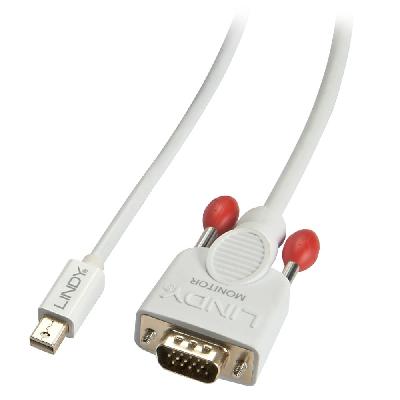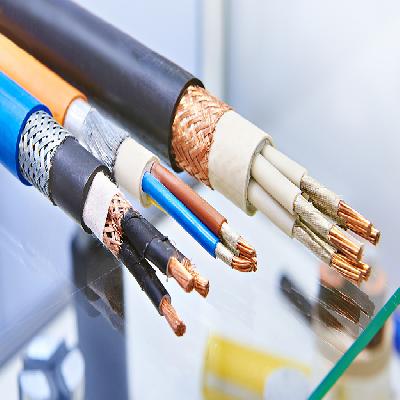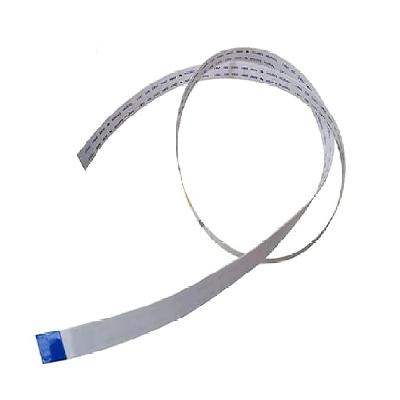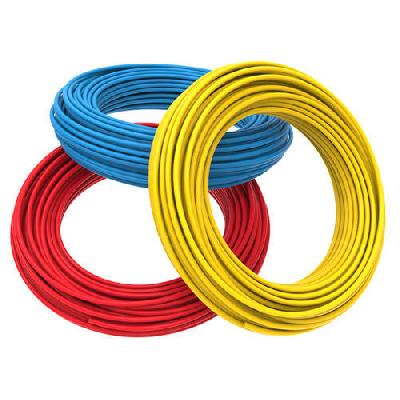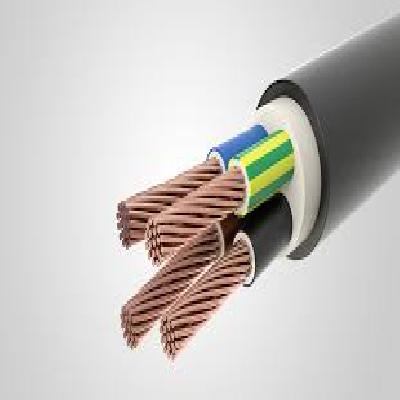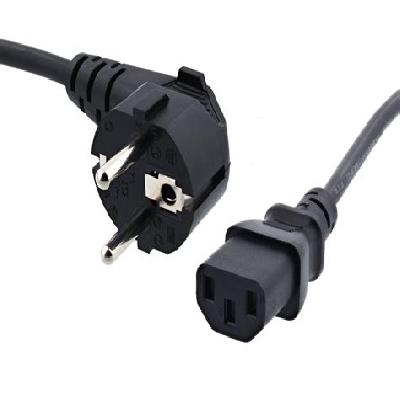
Power cables are electrical cables used to transmit power from one point to another in industrial, commercial, and residential settings.
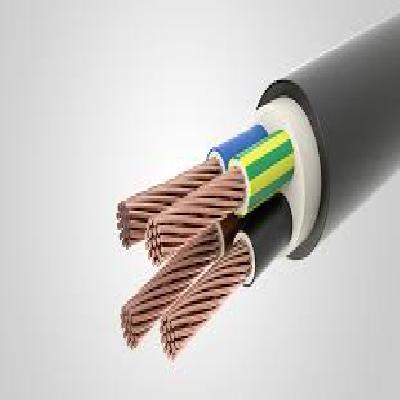
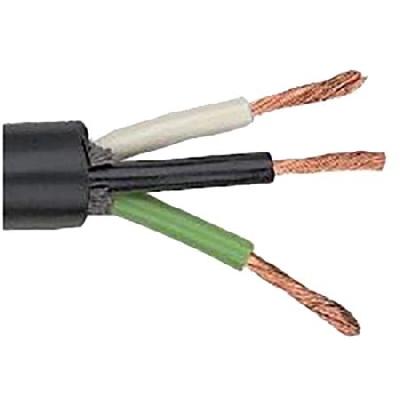
Where To Use Power Cables
Industrial settings such as factories, power plants, and construction sites
Commercial settings such as offices, shopping malls, and hospitals
Residential settings such as homes and apartments
Key Features Of Power Cables
High voltage and current carrying capacity
Resistance to heat, moisture, and chemical damage
Durable and long-lasting with minimal maintenance required
Easily installable and replaceable
Compliant with international safety standards
How To Use Power Cables
Ensure proper installation and connection to prevent overheating and short circuits
Maintain a safe distance from heat sources, water, and chemicals
Avoid overloading or bending the cable beyond its capacity
Regularly inspect and replace damaged or worn-out cables
Follow local safety regulations and guidelines for handling electrical equipment
How Power Cables Is Manufactured
Power cables are manufactured using high-quality materials and advanced machinery to ensure durability, safety, and efficiency.
Technical Specification Of Power Cables
Specification
Details
Core Type
Copper or Aluminum
Length
Customizable up to 1000 meters
Size Range
Diameter: 10-30mm, Thickness: 2-5mm
Conductor Material
Copper or Aluminum
Insulation Material
PVC, XLPE, or EPR
Voltage Grade
230V, 400V, or 415V
The technical specification of power cables includes details such as core type, length, size range, conductor material, insulation material, and voltage grade. The choice of materials and specifications depends on the specific application and requirements. It is essential to follow international safety standards and guidelines for handling electrical equipment.
Description Of Power Cables
Power cables are designed to transmit power efficiently and safely in various settings. They come in different specifications, materials, and sizes to cater to specific needs.
Related Products & Synonyms Of Power Cables
Aerial Bunched Cables: Used for overhead transmission and distribution lines, these cables are designed to withstand harsh weather conditions.
Xlpe Cable: A type of power cable made from cross-linked polyethylene insulation material, offering excellent heat resistance and durability.
Electric Power Cables: Designed for use in residential and commercial settings, these cables provide efficient transmission of power while ensuring safety.
High Voltage Cables: Used for high-voltage applications such as substations and transmission lines, these cables require specialized materials and design to withstand high voltage and current.
LT Power Cable: Low-tension power cables designed for use in residential and commercial settings, offering reliable and efficient power transmission.
HT Power Cable: High-tension power cables used for industrial and commercial applications requiring high voltage and current transmission.