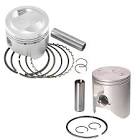
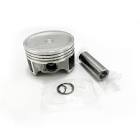
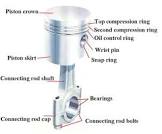
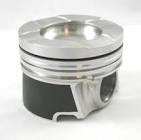
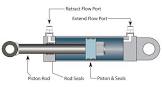
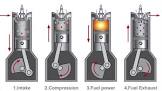
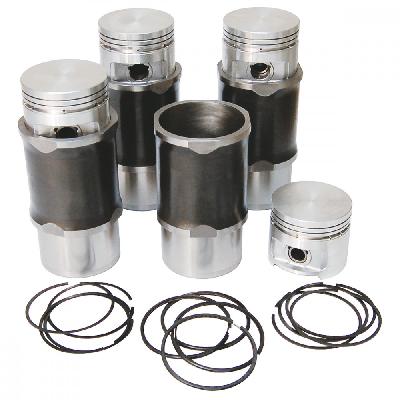
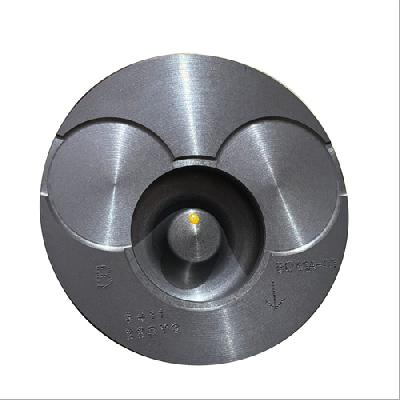
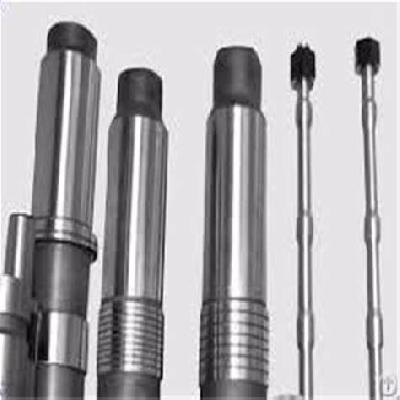
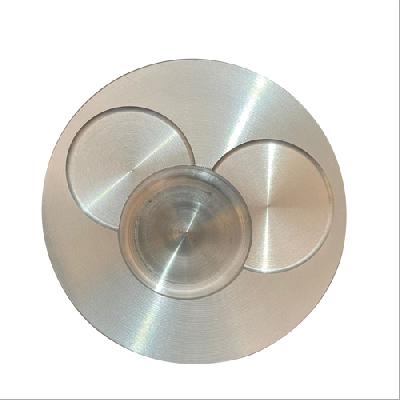
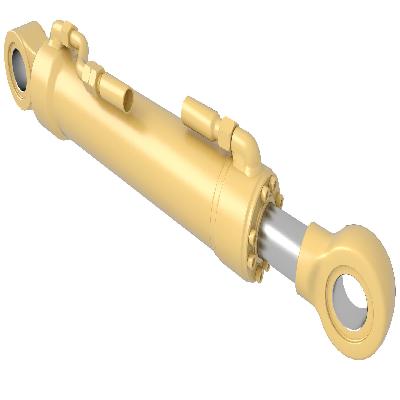
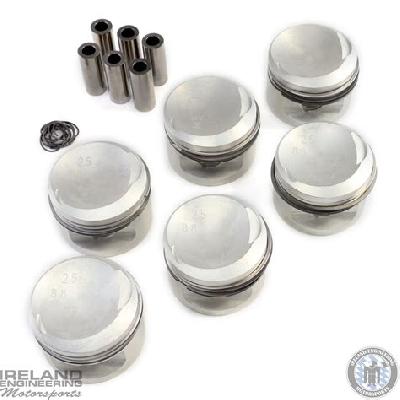
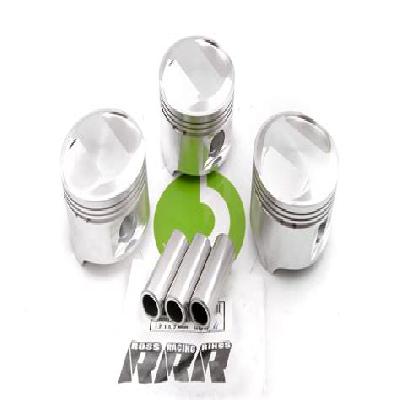
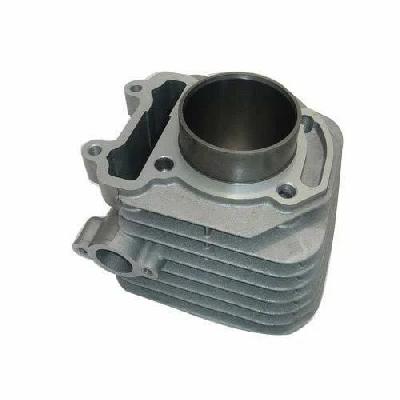
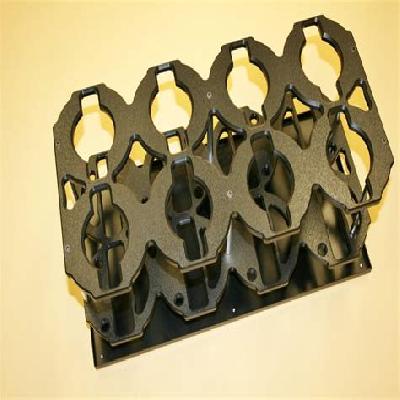
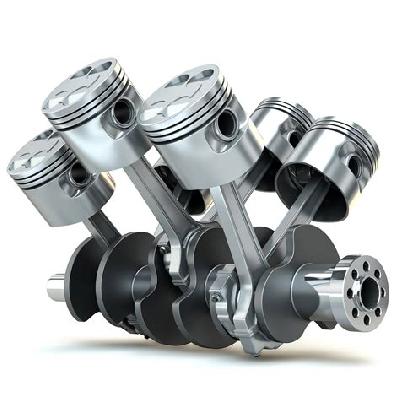
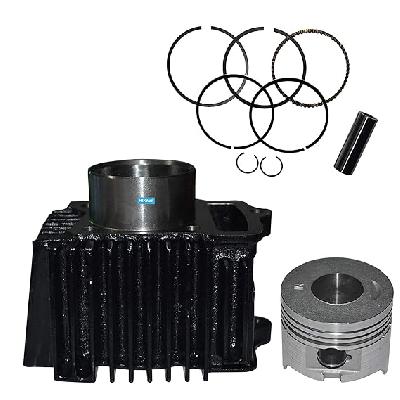
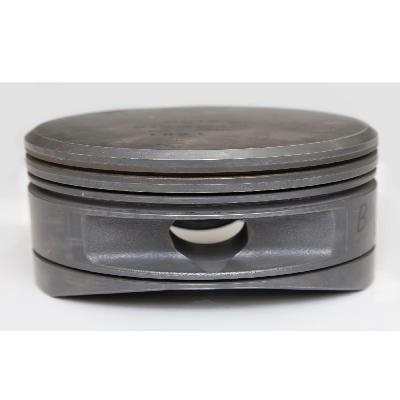
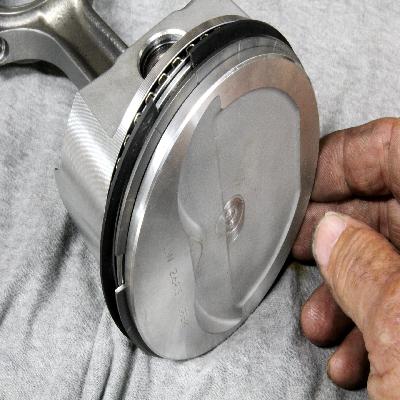
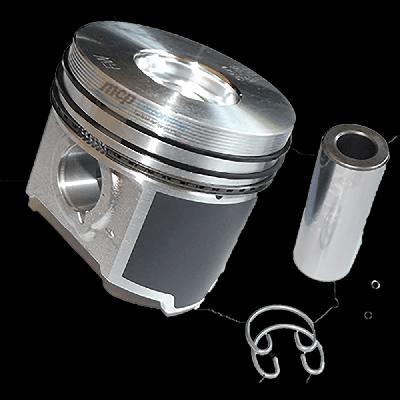
A piston is a type of engine component that reciprocates within a cylinder, converting the linear motion of a gaseous fluid into rotary motion. It plays a crucial role in various types of engines, including internal combustion engines found in automobiles, trucks, and motorcycles.
Where To Use Piston
Automobile engines
Truck engines
Motorcycle engines
Diesel engine components
Cylinder and engine applications
Key Features Of Piston
Reciprocating motion within a cylinder
Converts linear motion to rotary motion
Key component in various types of engines
Material selection based on application and performance requirements
Optimized design for reduced friction, wear, and tear
How To Use Piston
Proper installation in engine cylinder
Careful handling to avoid damage during maintenance
Tight tolerance for precise operation and performance
Material compatibility with other engine components
Regular inspection for signs of wear and tear
How Piston Is Manufactured
Pistons are manufactured using a combination of advanced engineering and materials science. The process involves precision machining, casting, or forging to achieve the required dimensions and surface finish.
Technical Specification Of Piston
Diameter (mm)
60-120
Length (mm)
100-200
Material
Aluminum, Steel, Cast Iron
Coating
Tin, Nickel, Ceramic
Piston specifications are critical in ensuring the optimal performance and efficiency of an engine. The diameter and length of a piston determine its fitment in a specific cylinder, while the material selection depends on factors such as operating temperature, pressure, and load. A suitable coating can enhance durability and reduce friction.
Description Of Piston
A piston is a crucial engine component that reciprocates within a cylinder to convert the linear motion of a gaseous fluid into rotary motion. It plays a vital role in various types of engines, including internal combustion engines found in automobiles, trucks, and motorcycles.