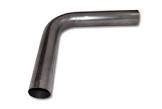
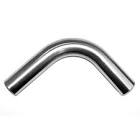
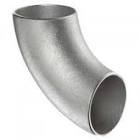
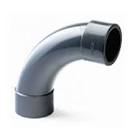
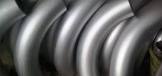
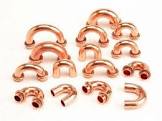
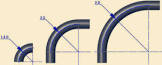
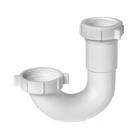
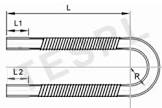
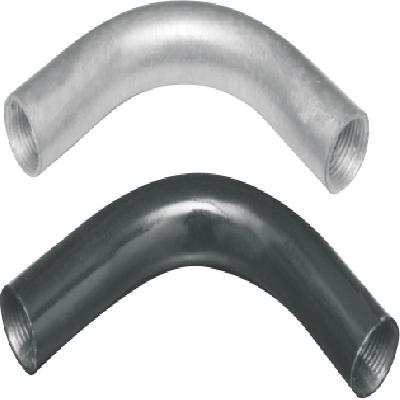
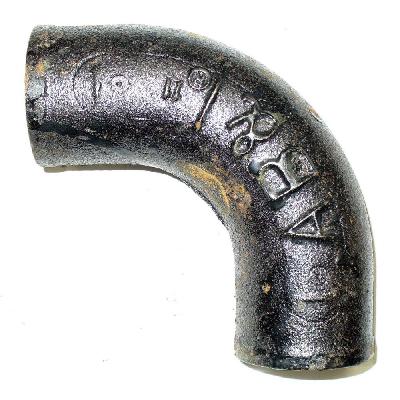
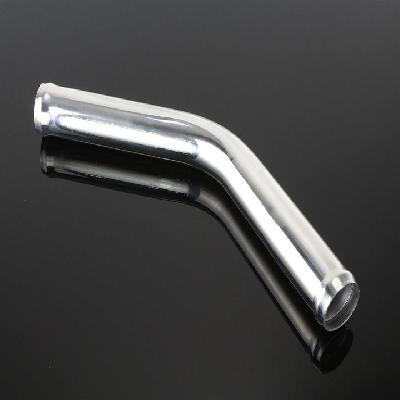
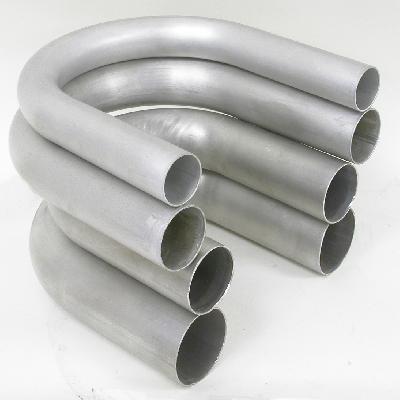
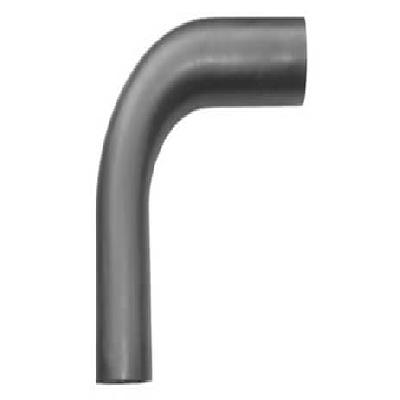
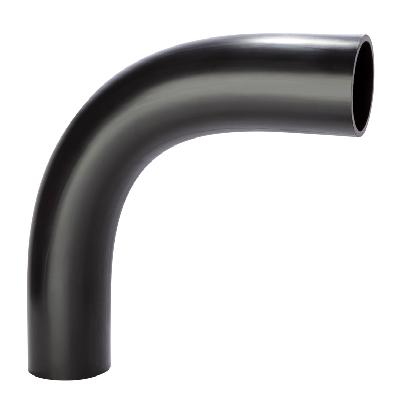
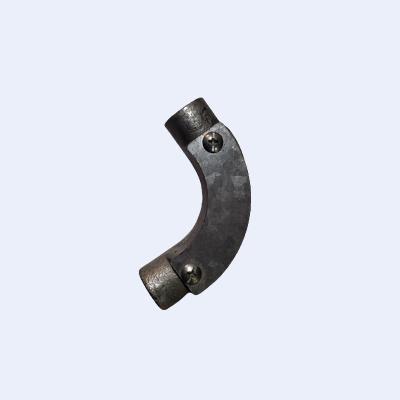
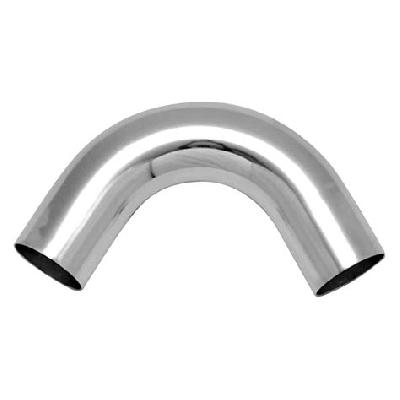
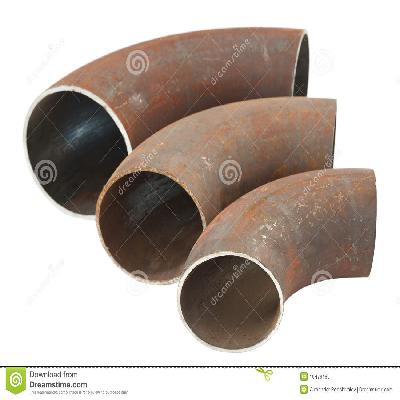
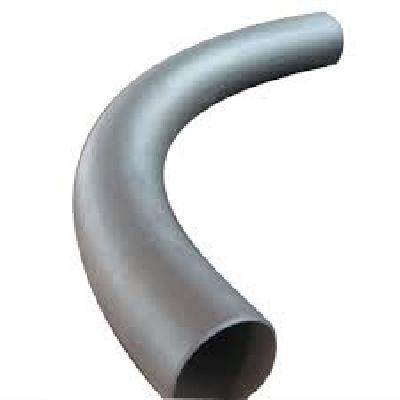
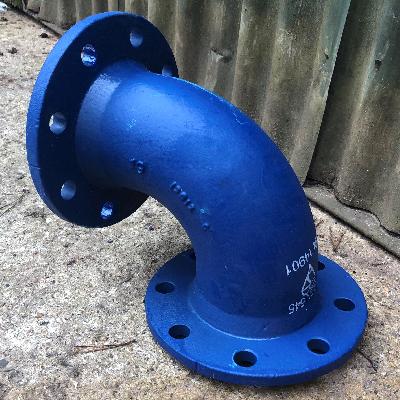
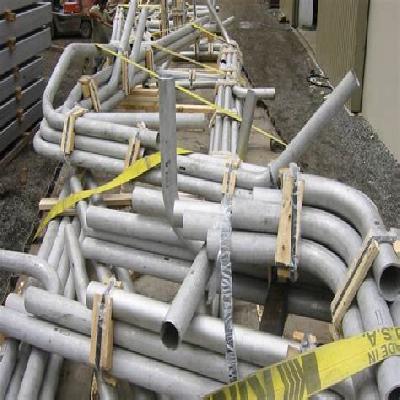
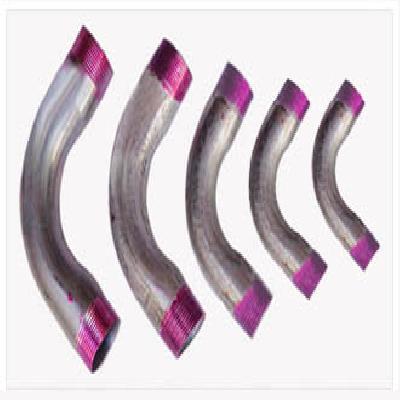
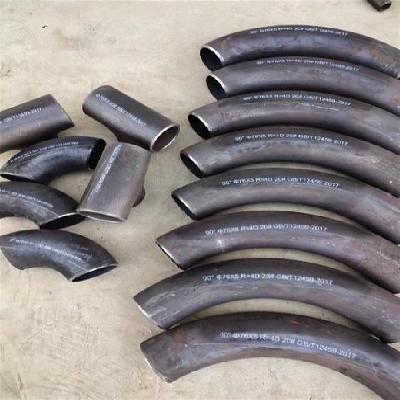
Pipe bends are curved pipes used in various industrial applications to change the direction of fluid flow. They are an essential component in piping systems, ensuring smooth and efficient transfer of liquids or gases.
Where To Use Pipe Bends
Pipe bends are commonly used in industries that require complex piping arrangements, such as chemical processing, oil and gas refining, power generation, and water treatment. They can be found in various locations, including:
Pumps and compressors
Valves and actuators
Cooling systems and heat exchangers
Heating, ventilation, and air conditioning (HVAC) systems
Key Features Of Pipe Bends
Curved design for efficient fluid flow
Durable construction to withstand high pressures and temperatures
Flexible installation options for easy integration into existing systems
Various materials available, including steel, stainless steel, and copper
How To Use Pipe Bends
Identify the required pipe bend size and material for your application
Choose a suitable installation method, such as welding or flanging
Carefully inspect the pipe bend for any defects or damage before use
Follow proper maintenance procedures to ensure long-term performance
How Pipe Bends Is Manufactured
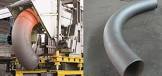
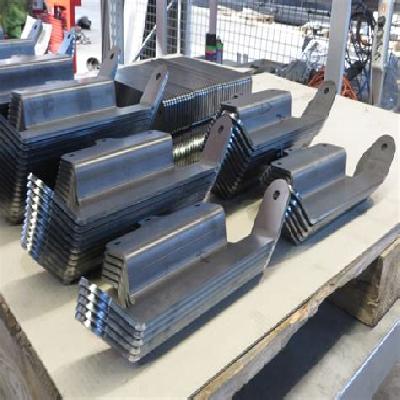
Pipe bends are manufactured using various techniques, including rolling, bending, and welding. The process involves shaping a flat sheet of metal into a curved pipe, which is then formed into the desired shape.
Technical Specification Of Pipe Bends
Material:
Carbon Steel (CS), Stainless Steel (SS)
Diameter:
1/2" to 24"
Pressure Rating:
Class 150 to Class 2500
Temperature Range:
-20°F to 1000°F (-29°C to 538°C)
Length of Bend:
5' to 20'
The technical specification of pipe bends includes various parameters such as material, diameter, pressure rating, temperature range, and length of bend. These specifications ensure that the pipe bends can withstand the required conditions and perform optimally in the intended application.
Description Of Pipe Bends
Pipe bends are curved pipes made from various materials, including steel, stainless steel, and copper. They are designed to change the direction of fluid flow in piping systems, ensuring efficient transfer of liquids or gases.