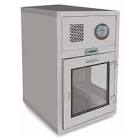
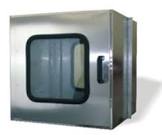
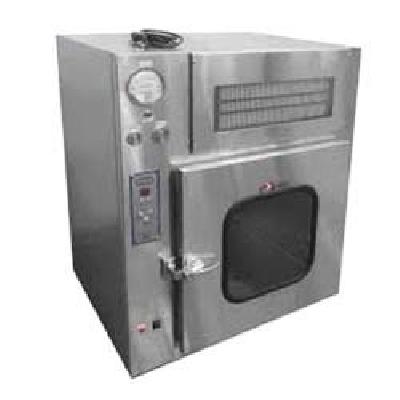
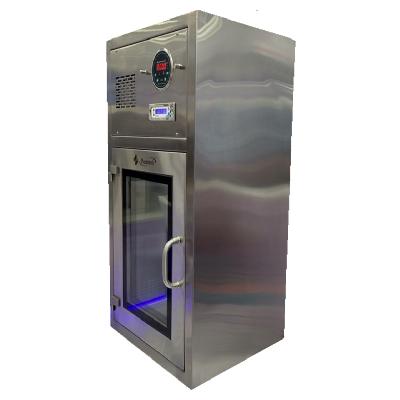
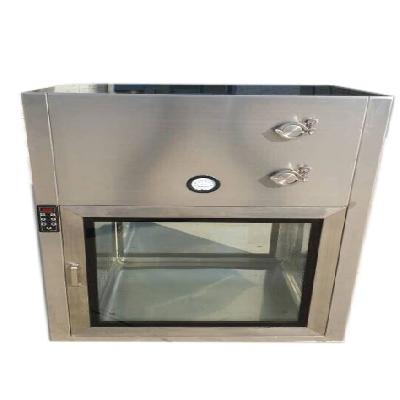
A pass box, also known as a transfer box or transfer enclosure, is a device used to transfer materials in a controlled environment such as a cleanroom. It is designed to prevent contamination and ensure the integrity of the materials being transferred.
Where To Use Pass Box
Pass boxes are typically used in industries that require a high level of cleanliness and precision, such as pharmaceuticals, electronics, and semiconductor manufacturing. They can be found in cleanrooms, laboratories, and other controlled environments.
Key Features Of Pass Box
Controlled environment for material transfer
Prevents contamination and ensures material integrity
Customizable to meet specific industry requirements
Can be equipped with HEPA filters and other safety features
How To Use Pass Box
Open the pass box by lifting the lid or using an interlocking system
Place materials to be transferred into the pass box
Closing the pass box ensures a controlled environment for material transfer
Follow proper procedures for opening and closing the pass box to prevent contamination
How Pass Box Is Manufactured
Pass boxes are typically manufactured using high-quality materials such as stainless steel and aluminum. The manufacturing process involves precise engineering and assembly to ensure the pass box meets industry standards.
Technical Specification Of Pass Box
Dimensions:
120 x 60 x 90 cm
Material:
Stainless Steel
HEPA Filter Efficiency:
99.97% @ 0.3 ?m
Airflow Velocity:
2.5 m/s
Weight:
50 kg
Power Consumption:
1.5 kW
The technical specifications of the pass box are designed to meet industry standards for cleanliness and precision. The dimensions, material, and HEPA filter efficiency ensure a controlled environment for material transfer. The airflow velocity and weight provide additional safety features.
Description Of Pass Box
The pass box is a device designed to transfer materials in a controlled environment. It is typically used in industries that require high levels of cleanliness and precision.