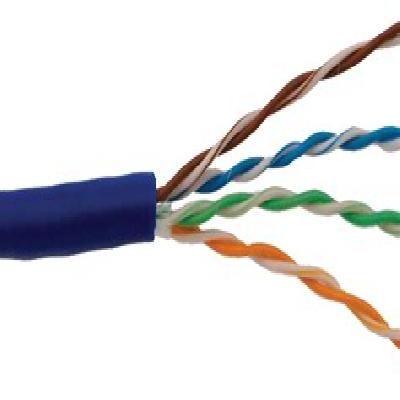
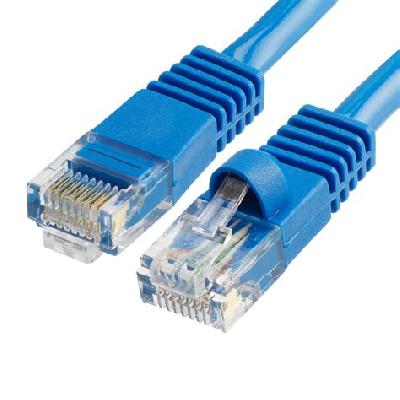
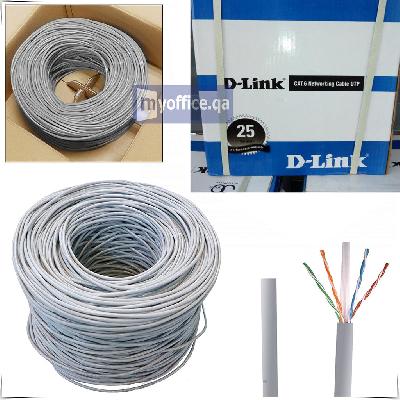
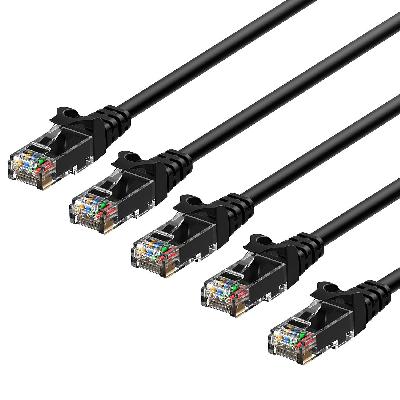
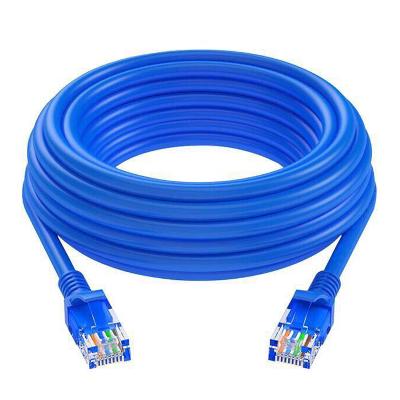
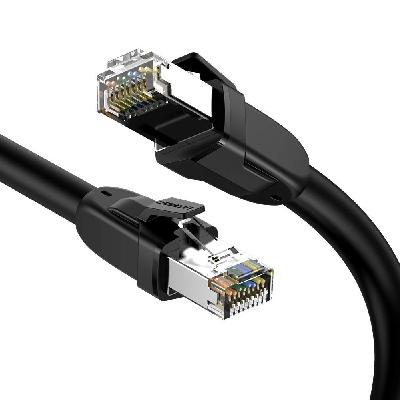
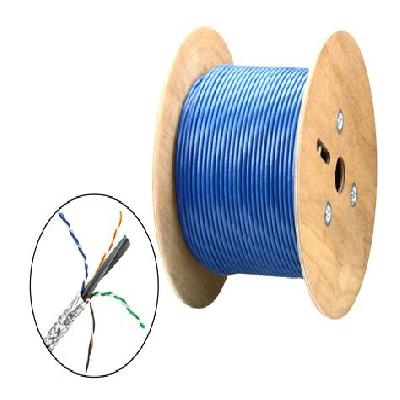
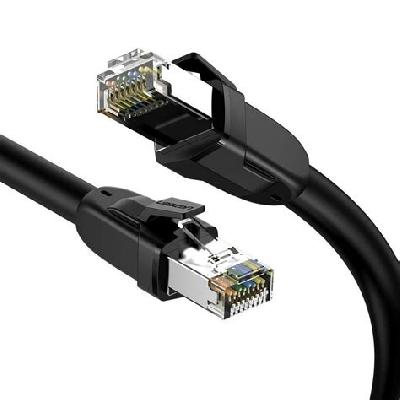
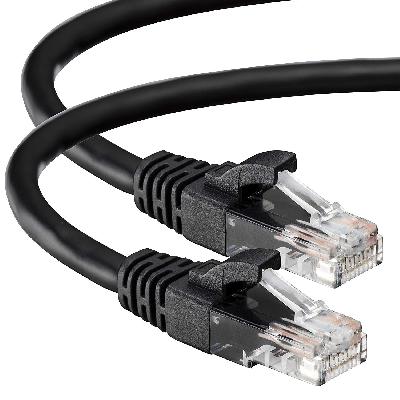
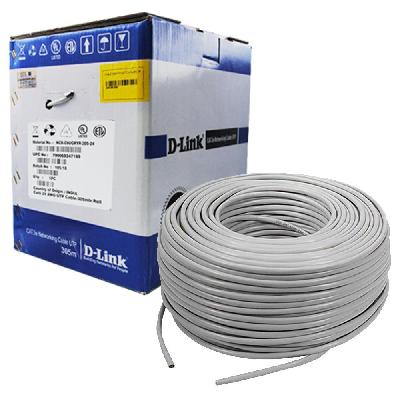
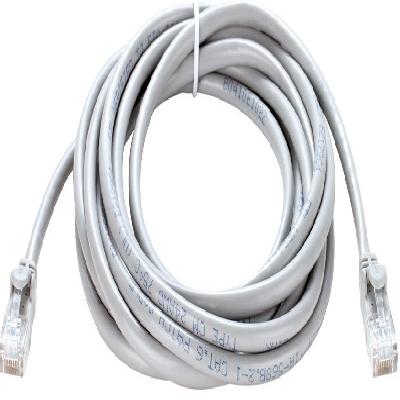
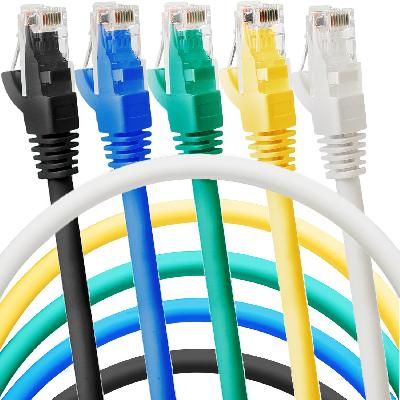
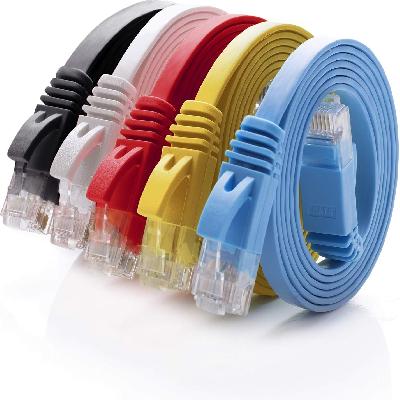
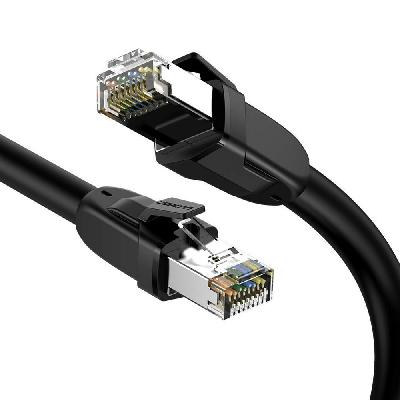
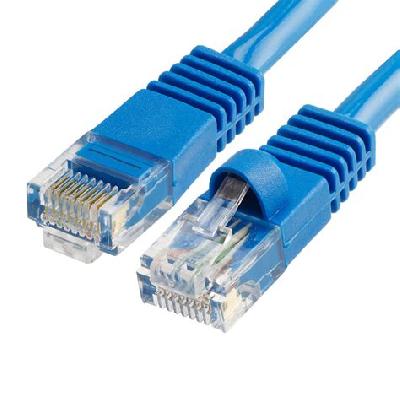
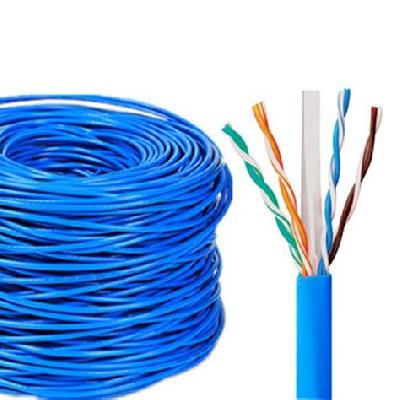
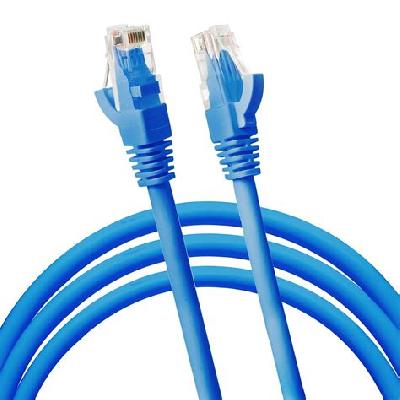
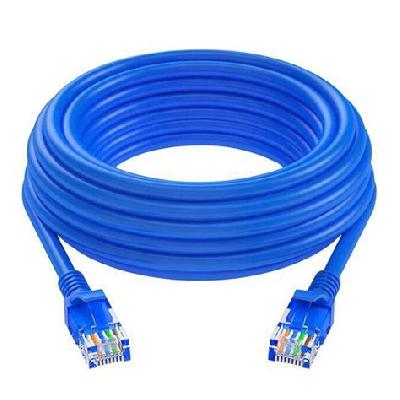
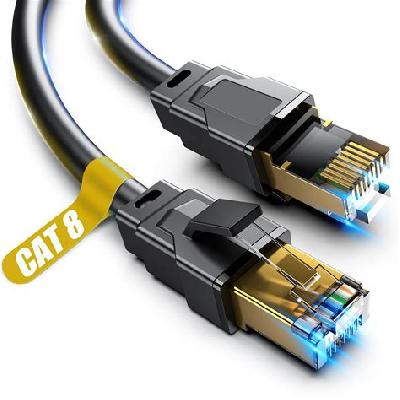
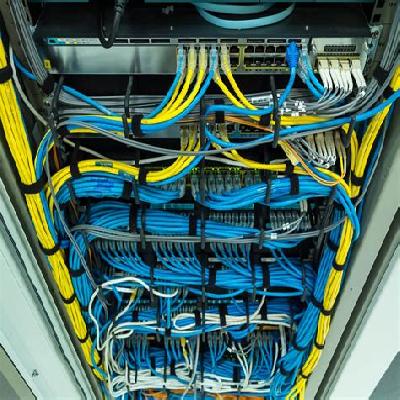
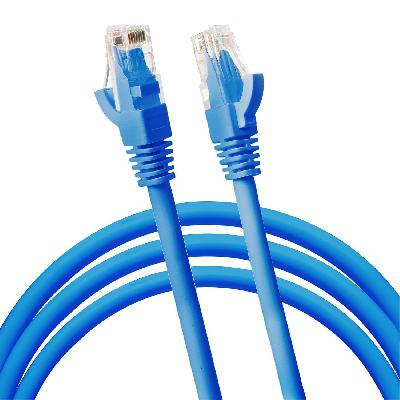
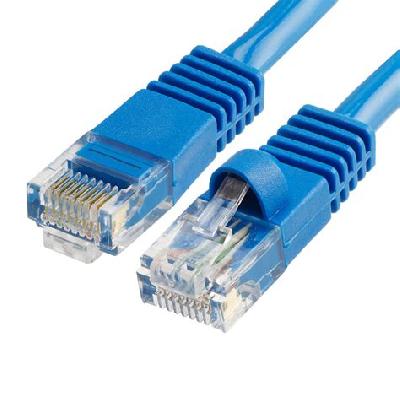
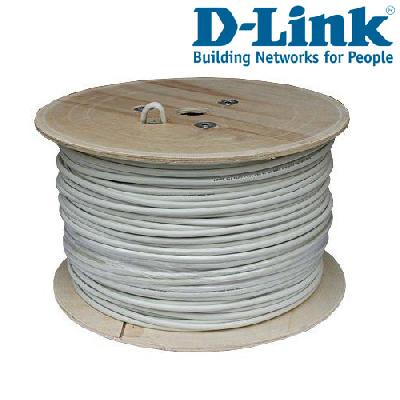
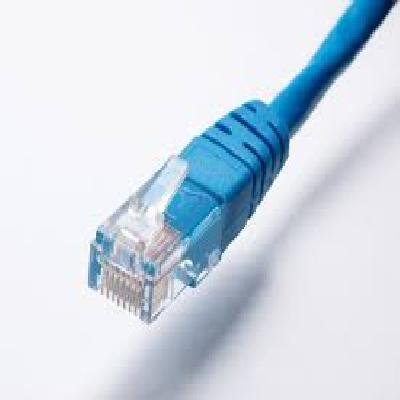
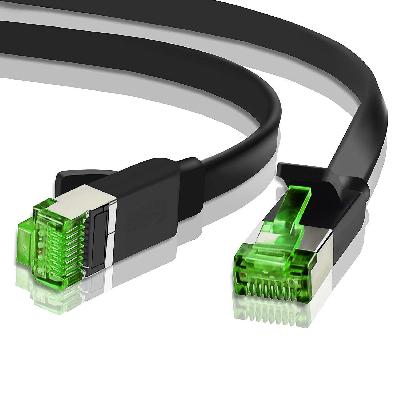
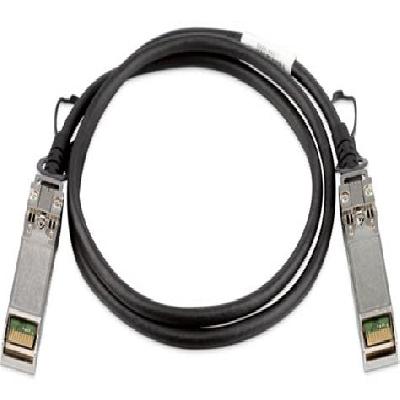
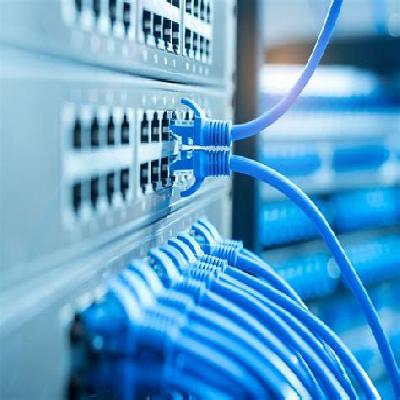
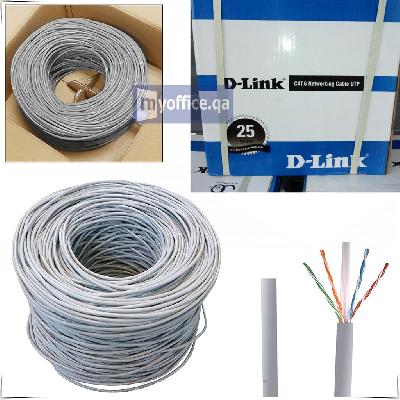
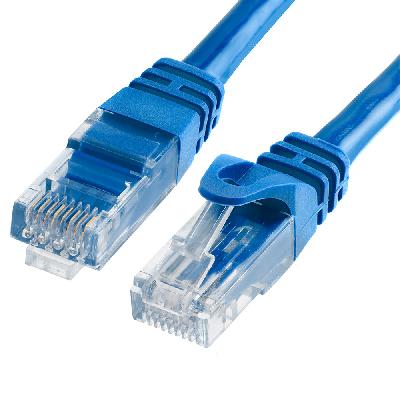
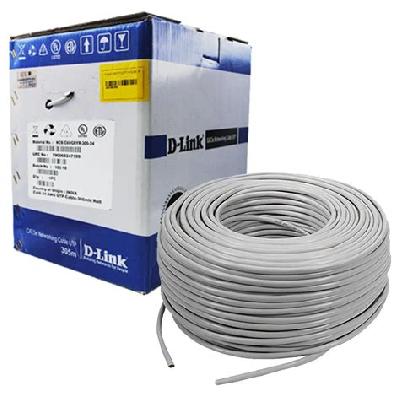
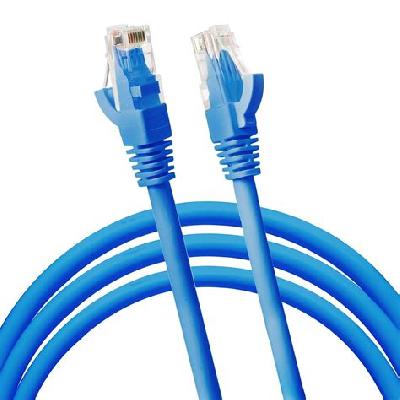
Networking cable, also known as networking wire, is a type of cabling used to connect devices in a computer network. It allows for the transfer of data between computers, servers, and other devices over a wired connection.
Where To Use Networking Cable
Networking cable is used in a variety of settings, including:
Office buildings and corporate campuses
Schools and universities
Hospitals and healthcare facilities
Data centers and server rooms
Home networks and small businesses
Key Features Of Networking Cable
High-speed data transfer rates
Reliable and secure connection
Durable and long-lasting
Easy to install and manage
Supports multiple protocols, including Ethernet, Fast Ethernet, and Gigabit Ethernet
How To Use Networking Cable
Connect one end of the cable to a device, such as a computer or server
Connect the other end of the cable to another device on the network
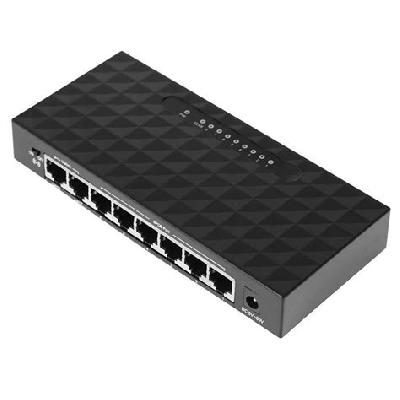
Use an Ethernet switch or router to connect multiple devices to the same network
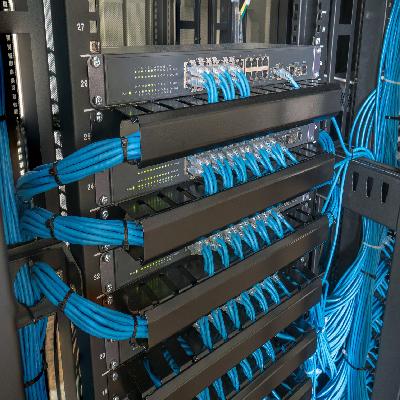
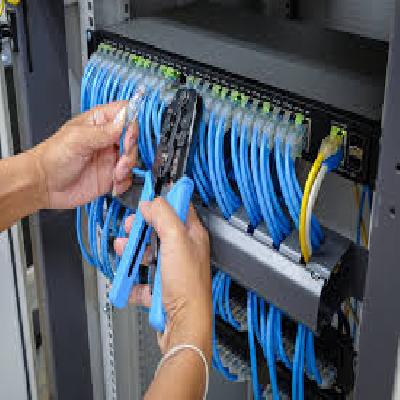
Use a patch panel or keystone module to manage and organize cables in data centers and server rooms
How Networking Cable Is Manufactured
The manufacturing process for networking cable involves several stages:
Raw material procurement, including copper wire and insulation materials
Cable assembly, including twisting and braiding the wires
Insulation and jacketing, including applying a protective outer layer
Testing and quality control, including verifying data transfer rates and cable length
Technical Specification Of Networking Cable
Cable Length:
Up to 100 meters
Connector Type:
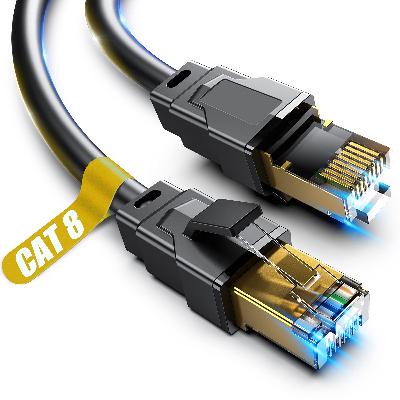
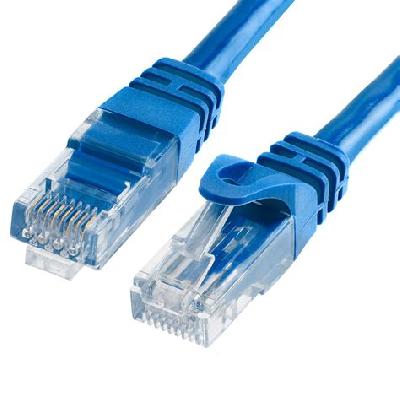
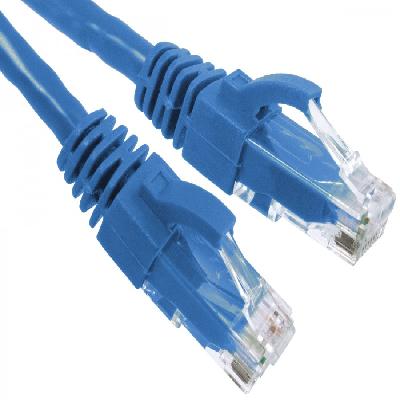
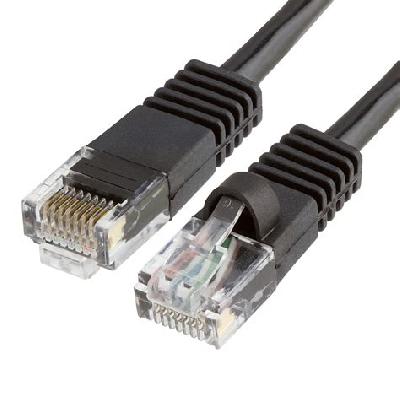
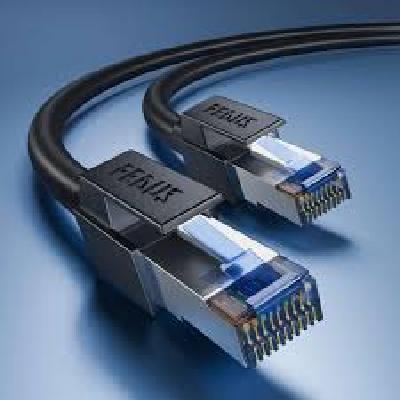
RJ-45, Ethernet
Cable Thickness:
24 AWG (American Wire Gauge)
Compatibility:
IEEE 802.3, Ethernet protocols
The technical specifications of networking cable are critical for ensuring reliable and efficient data transfer over a network. The cable length, connector type, cable thickness, and compatibility all play important roles in determining the suitability of the cable for a particular application.
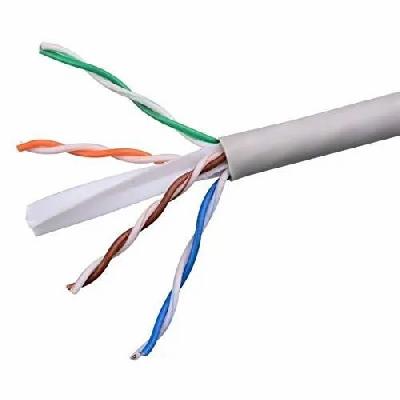
Description Of Networking Cable
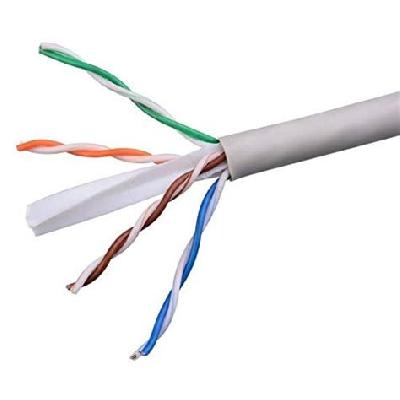
Networking cable is a type of cabling used to connect devices in a computer network. It consists of a twisted pair or fiber optic cables, which transmit data signals between computers and other devices.
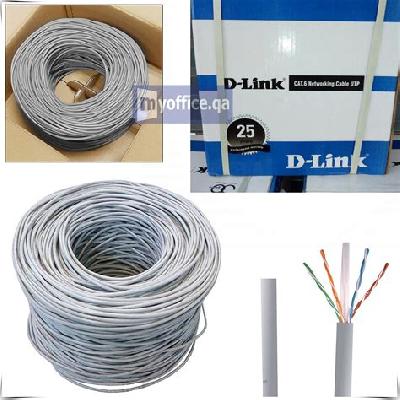
Related Products & Synonyms Of Networking Cable
Some related products to networking cable include:
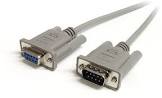
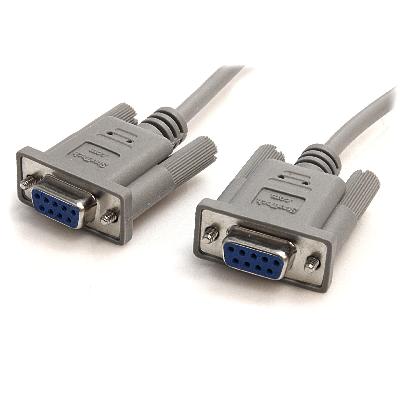
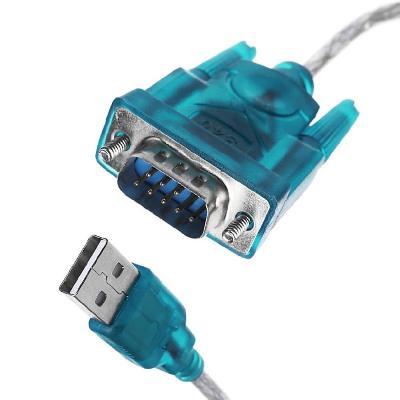
Serial Cable: used for connecting devices over serial interfaces, such as RS-232 and RS-422
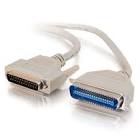
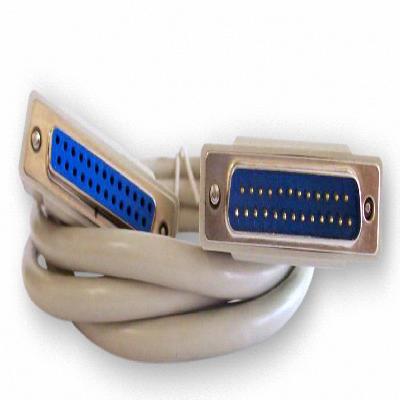
Parallel Cable: used for connecting devices over parallel interfaces, such as printer cables
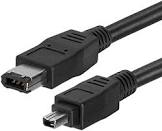
Firewire Cable: used for connecting devices using the IEEE 1394 interface
DB9 Serial Cable: used for connecting devices with a DB-9 connector
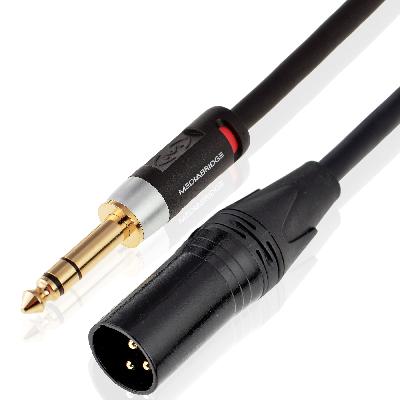
TRS Cable: used for connecting audio equipment
Kvm Cable: used for keyboard-video-mouse applications
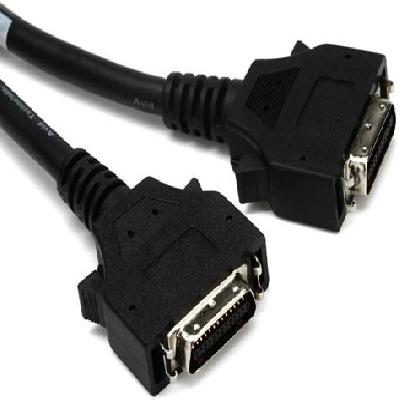
Scsi Cable: used for connecting storage devices over the Small Computer System Interface (SCSI) protocol
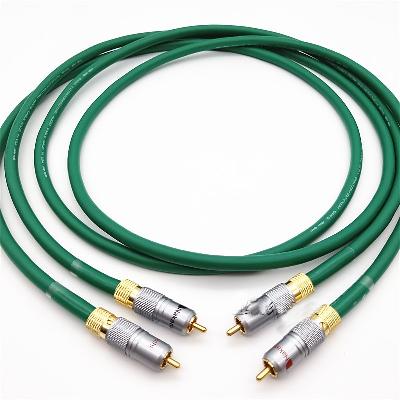
HIFI Interconnect Cable: used for connecting high-fidelity audio equipment
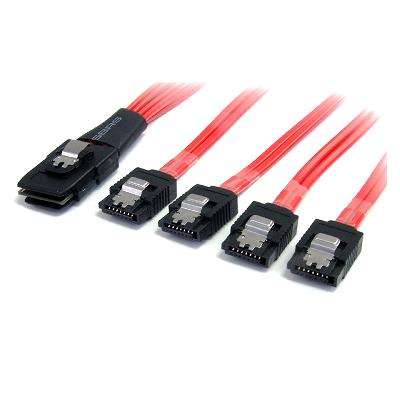
SAS Cable: used for connecting storage devices over the Serial Attached SCSI (SAS) protocol