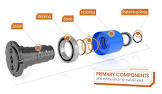
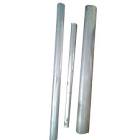
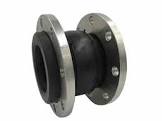
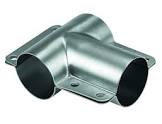
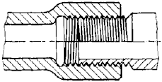
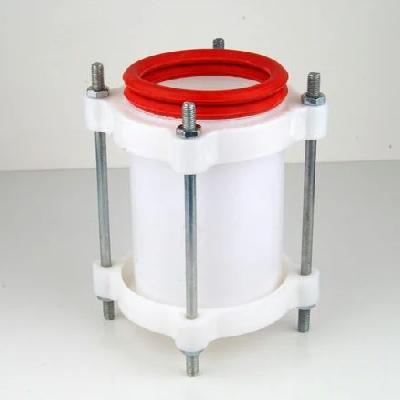
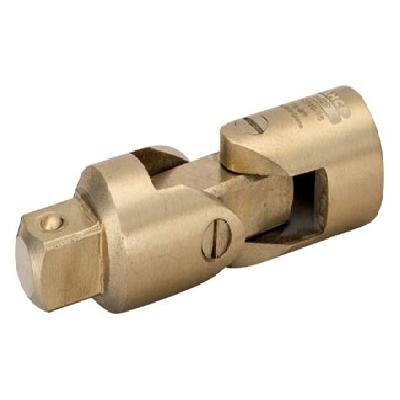
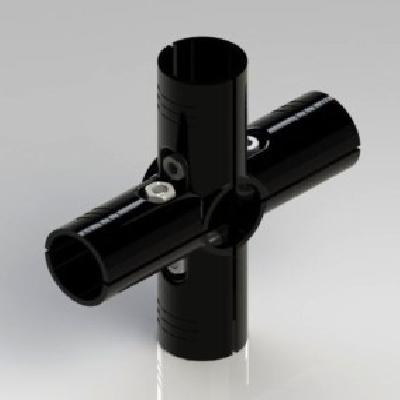
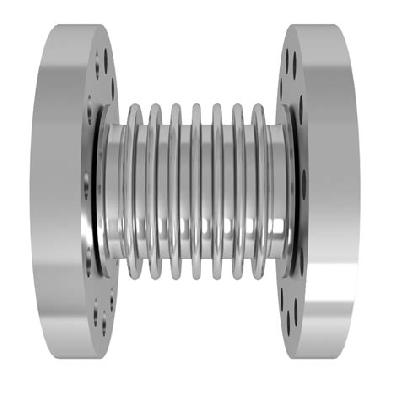
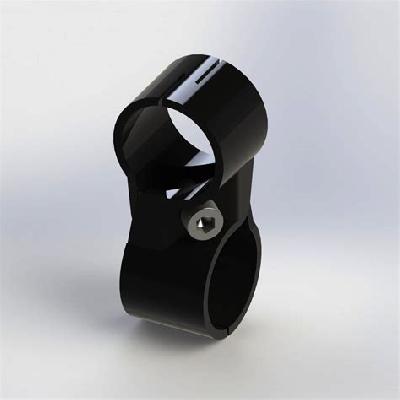
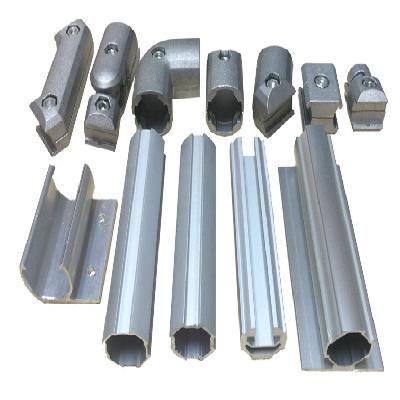
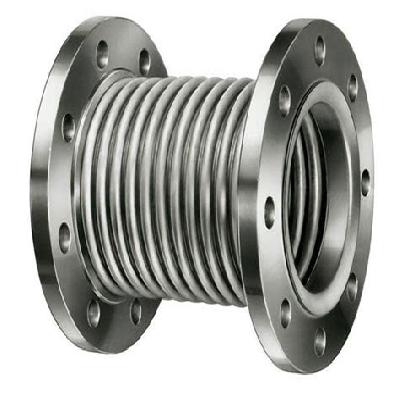
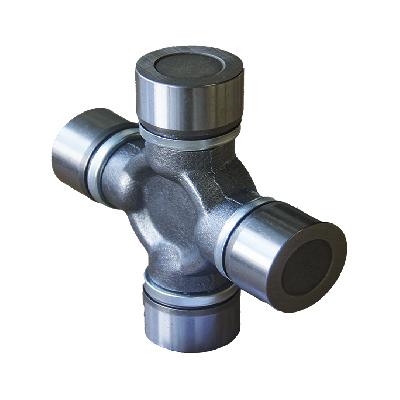
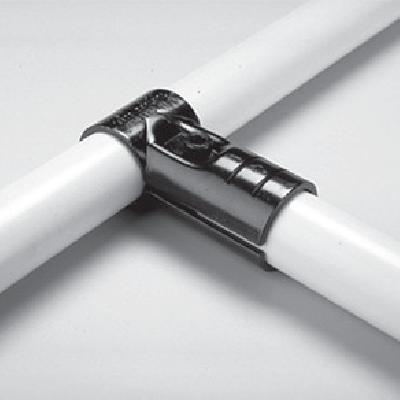
Metal joints are a type of industrial fitting used to connect pipes or tubes together, allowing for flexibility and movement between the connected components.
Where To Use Metal Joints
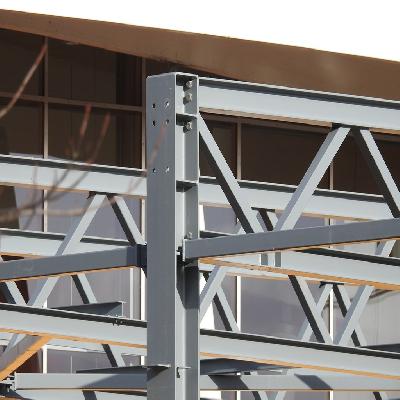
Metal joints are used in various industrial applications, including building and construction projects, where flexibility is required between pipes or tubes.
Key Features Of Metal Joints
Flexibility and movement between connected components
Durability and resistance to corrosion
Easy installation and maintenance
Wide range of diameters and pressure ratings available
How To Use Metal Joints
Choose the correct size and type of metal joint for your application
Clean and prepare the pipe or tube ends before installation
Assemble the metal joint according to manufacturer's instructions
Tighten the connections securely to ensure proper sealing
How Metal Joints Is Manufactured
Metal joints are manufactured using high-quality materials and precision engineering techniques to ensure durability and performance.
Technical Specification Of Metal Joints
Material:
Carbon Steel
Diameter:
1/2" to 12"
Pressure Rating:
Up to 2000 psi
Temperature Range:
-20°C to 150°C
Length:
Standard lengths available, custom lengths upon request
The technical specifications of metal joints are designed to provide a high level of performance and durability in various industrial applications. The use of carbon steel as the primary material ensures resistance to corrosion and wear, while the range of diameters and pressure ratings available makes it suitable for a wide variety of applications.
Description Of Metal Joints
Metal joints are a type of industrial fitting used to connect pipes or tubes together, allowing for flexibility and movement between the connected components.
Related Products & Synonyms Of Metal Joints
Rotary Joints: These joints allow for rotational movement between connected components, making them suitable for applications where flexibility is required.
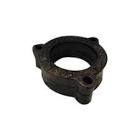
Cast Iron Detachable Joints: These joints are designed for use in low-pressure applications and provide a high level of durability and resistance to corrosion.
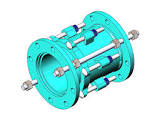
Dismantling Joint: This joint allows for easy disassembly and reassembly, making it suitable for applications where maintenance is frequent.
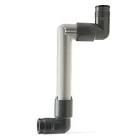
Swing Joints: These joints allow for flexibility and movement between connected components, making them suitable for applications where vibration or flexion is present.
Jointing Sleeve: This sleeve provides a flexible connection between two pipes or tubes, allowing for easy installation and maintenance.
Flexible Joint: This joint allows for flexibility and movement between connected components, making it suitable for applications where vibration or flexion is present.
Connecting Joint: This joint connects two pipes or tubes together, providing a secure and leak-free connection.
Threaded Joints: These joints provide a threaded connection between two pipes or tubes, allowing for easy installation and maintenance.