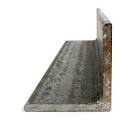
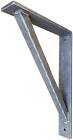
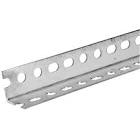
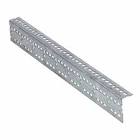
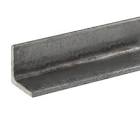
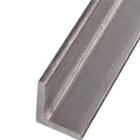
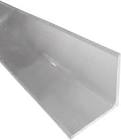
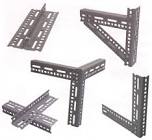
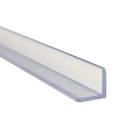
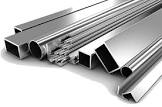
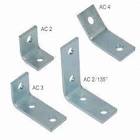
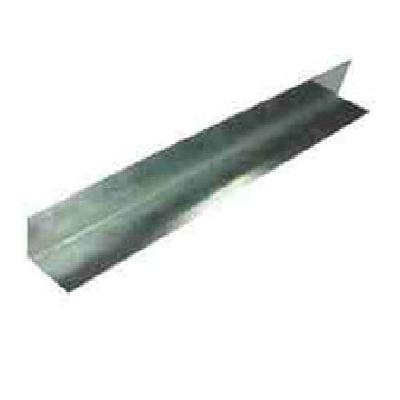
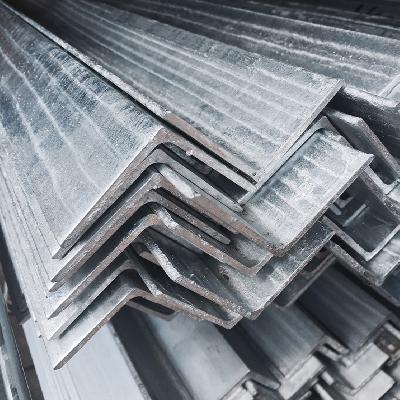
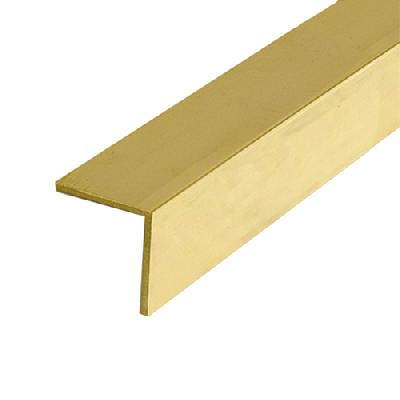
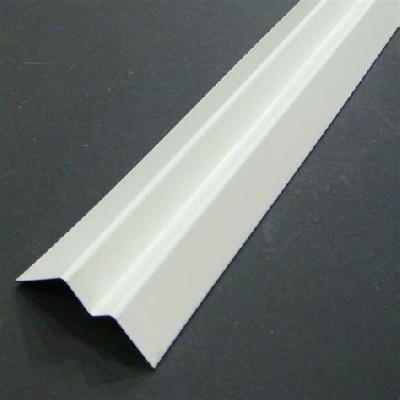
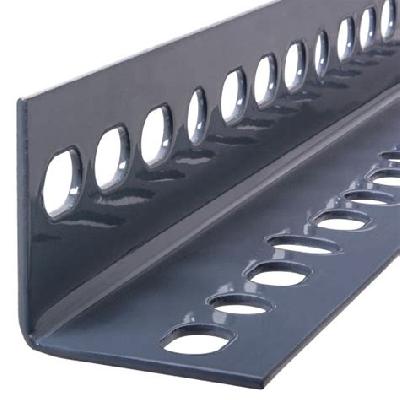
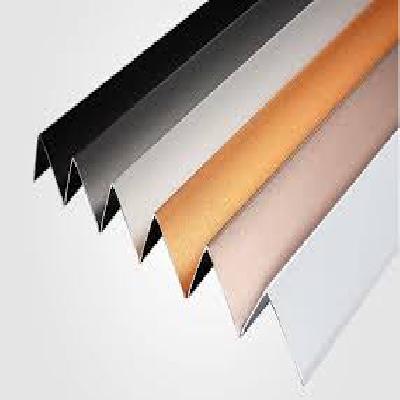
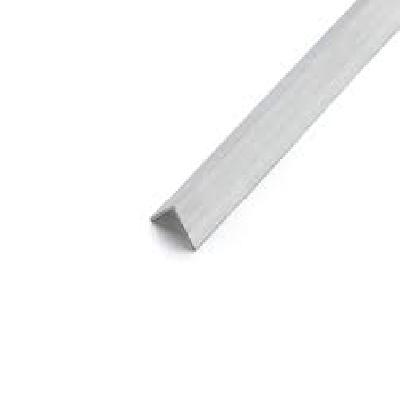
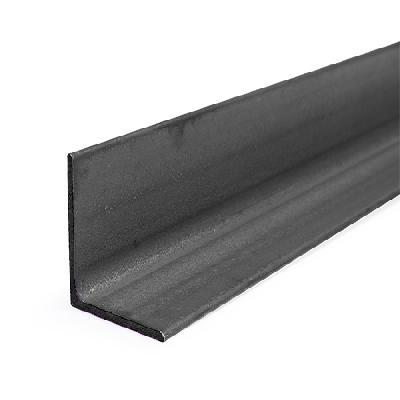
Metal angles are a type of structural steel used in various construction and industrial applications. They are L-shaped and have two legs of equal or unequal length, providing excellent support and stability to buildings, bridges, and other structures.
Where To Use Metal Angles
Metal angles can be used in a variety of applications, including:
Building frames and structures
Bridge construction
Furniture making and cabinetry
Metalworking and fabrication
Railway tracks and signaling systems
Key Features Of Metal Angles
High strength-to-weight ratio
Durable and resistant to corrosion
Easy to fabricate and install
Excellent support and stability
Wide range of sizes and materials available
How To Use Metal Angles
Measure and cut metal angles to the required size using a saw or shears
Bend or shape metal angles using a bending machine or manual tools
Screw or weld metal angles together with other structural members
Use metal angles as a support for heavy loads or equipment
Secure metal angles to a wall or floor using anchors or screws
How Metal Angles Is Manufactured
Metal angles are manufactured using a combination of rolling, cutting, and bending processes. The raw material, typically steel or aluminum, is rolled into the required shape and size. The metal angle is then cut to length using a saw or shears.
Technical Specification Of Metal Angles
Material:
Mild Steel
Size (mm):
50 x 50
Thickness (mm):
3
Length (mm):
2000
Load Capacity:
10000 kg
The technical specification of metal angles is critical in determining their suitability for a particular application. The material, size, thickness, length, and load capacity all play important roles in ensuring the stability and safety of the structure or system being supported.
Description Of Metal Angles
Metal angles are versatile structural steel components used in a wide range of applications, from building frames and bridges to furniture making and metalworking.