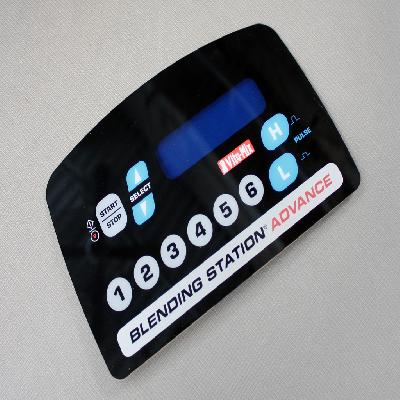
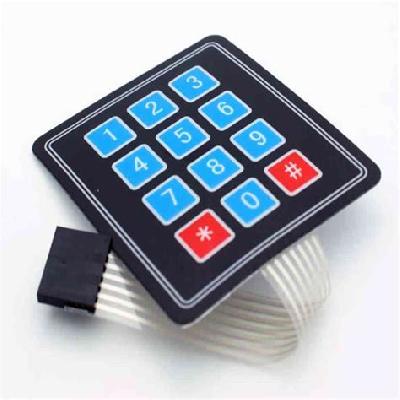
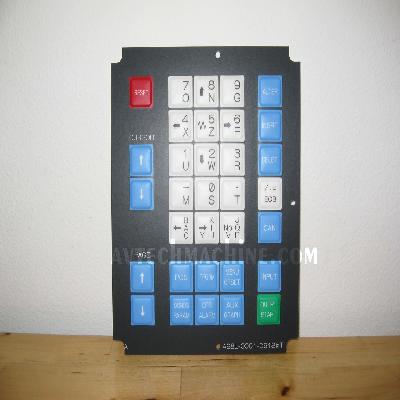
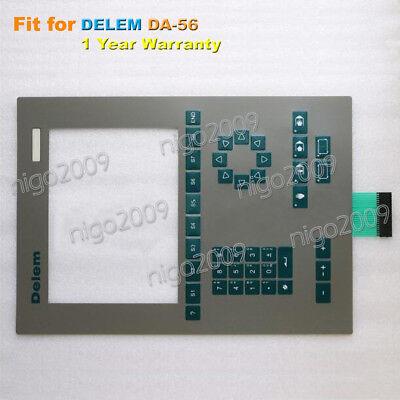
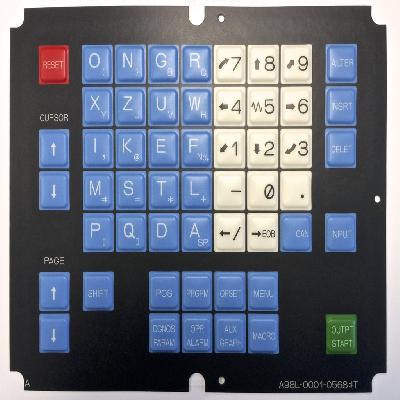
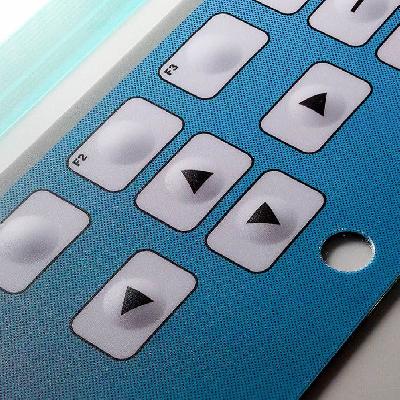
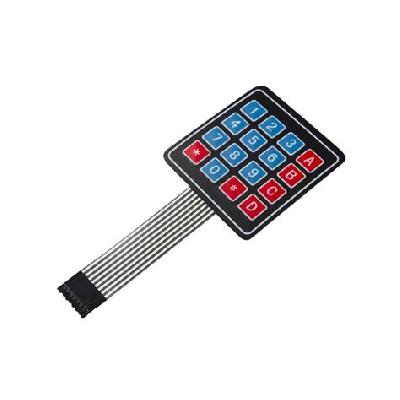
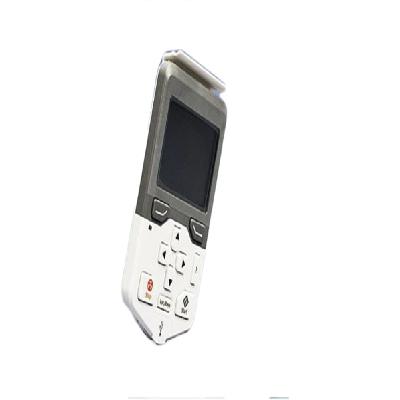
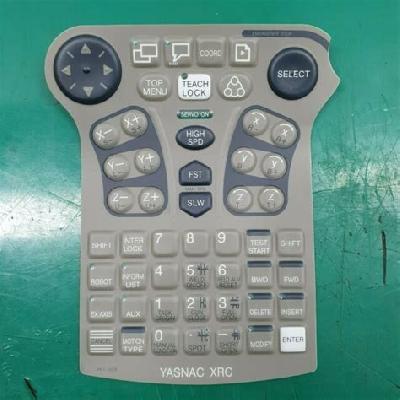
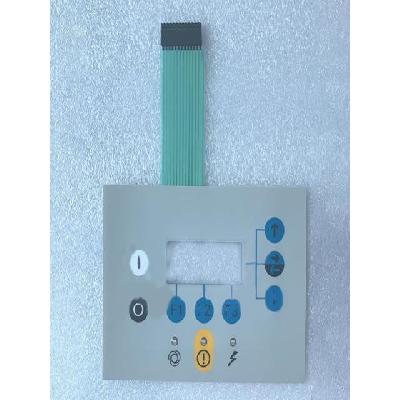
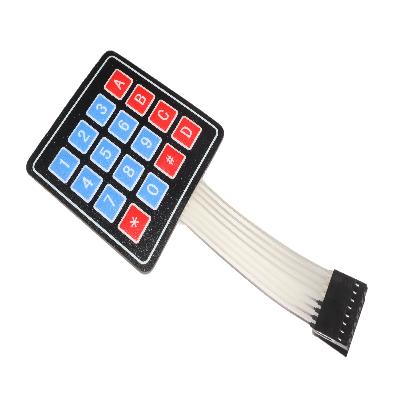
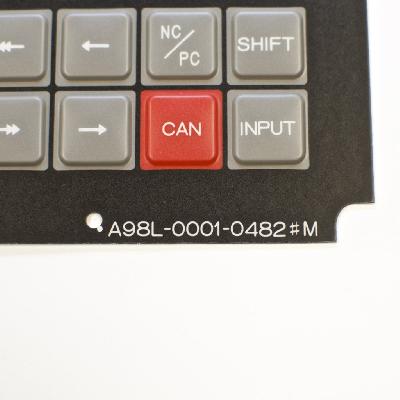
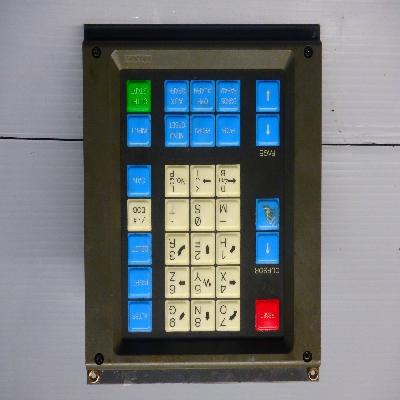
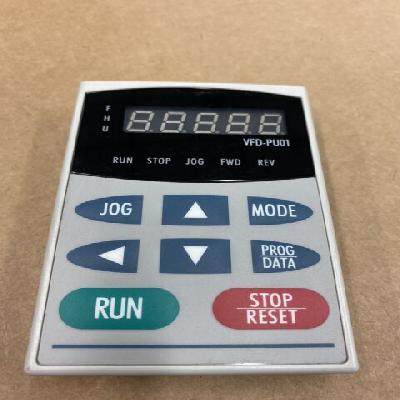
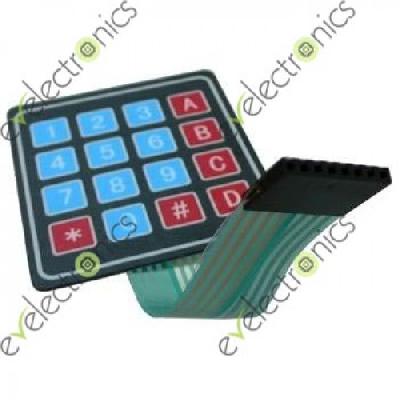
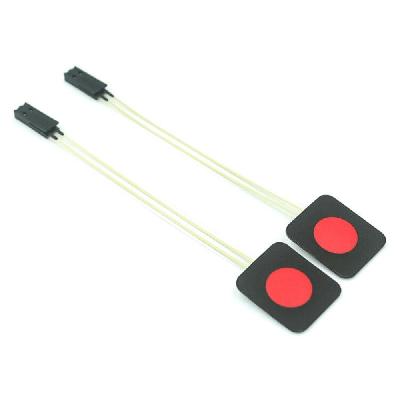
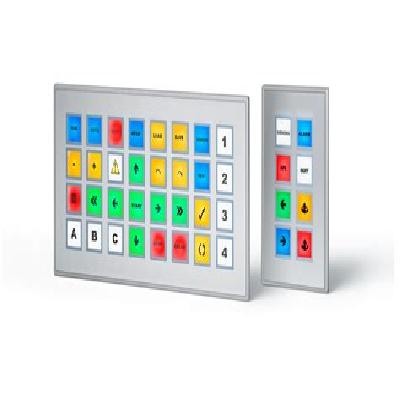
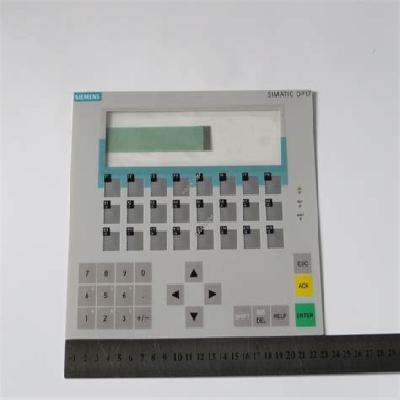
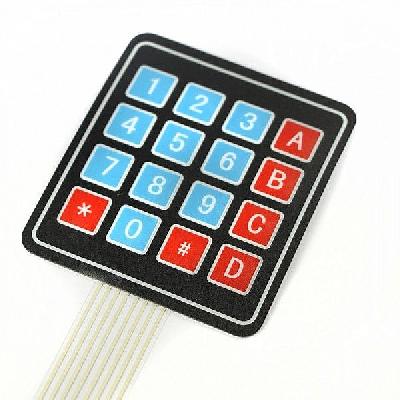
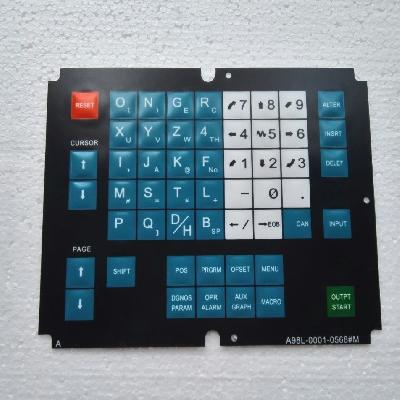
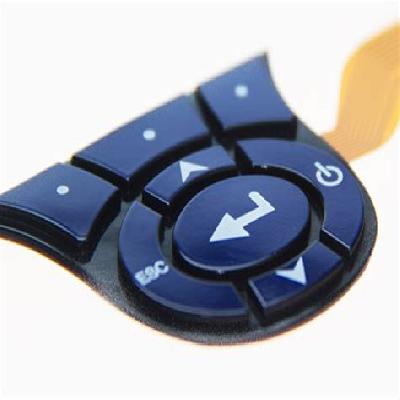
A membrane keypad is a type of electronic input device that uses a flexible membrane to actuate switches and provide user input.
Where To Use Membrane Keypad
Membrane keypads are commonly used in a variety of applications, including industrial control panels, medical devices, automotive systems, and consumer electronics.
Key Features Of Membrane Keypad
Durable and long-lasting construction
Water-resistant and dust-proof design
Customizable key layout and size
Low power consumption and high reliability
Easy to clean and maintain
How To Use Membrane Keypad
Mount the keypad to a flat surface using screws or adhesives
Connect the keypad to a microcontroller or other control unit
Program the keypad using software or firmware
Test the keypad for proper functionality and calibration
How Membrane Keypad Is Manufactured
The manufacturing process for membrane keypads involves several steps, including design and prototyping, tooling and molding, assembly and testing, and quality control.
Technical Specification Of Membrane Keypad
Keypad Type:
Membrane
Number of Keys:
12-36 keys
Operating Voltage:
3.3V-5V
Interface Types:
SPI, I2C, UART
Mounting Type:
Screw, adhesive
The technical specifications of a membrane keypad include the keypad type, number of keys, operating voltage, interface types, and mounting type. These specifications are critical in determining the suitability of a membrane keypad for a particular application.
Description Of Membrane Keypad
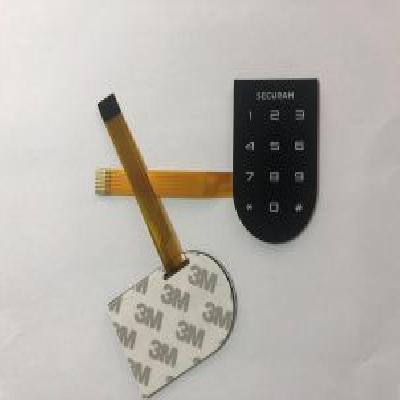
A membrane keypad is a thin, flexible sheet of material with conductive areas that actuate switches when pressed.
Related Products & Synonyms Of Membrane Keypad
The following are related products and synonyms of a membrane keypad:
Membrane Keyboards
Graphics Overlays
Membrane Switches
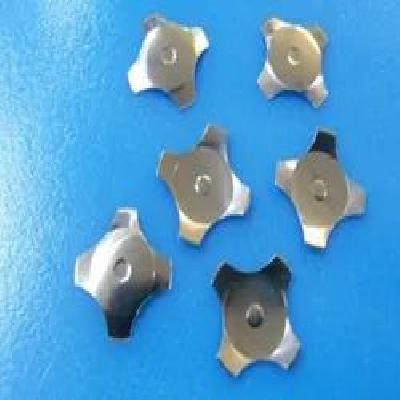
Metal Dome Membrane Keypad
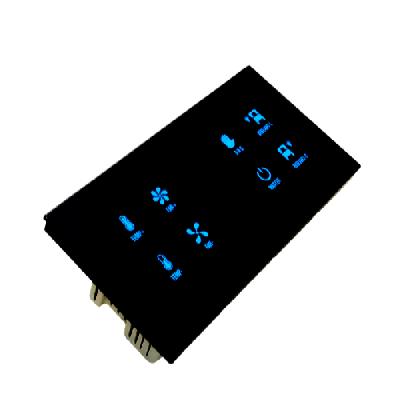
Touch Membrane Keypad
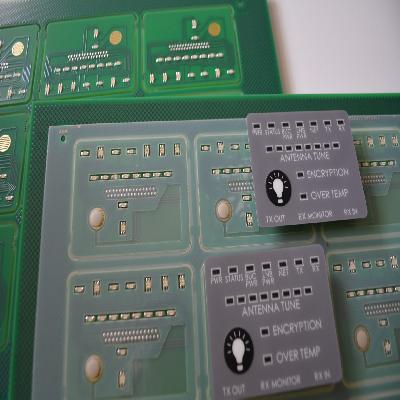
PCB Based Membrane Keypad
Non-Tactile Membrane Keypad
Overlay Switches
Auxiliary Switch
Synonyms for a membrane keypad include keyboard overlays, membrane switch keypad, and calculator keypad.