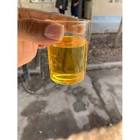
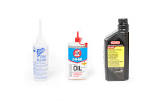
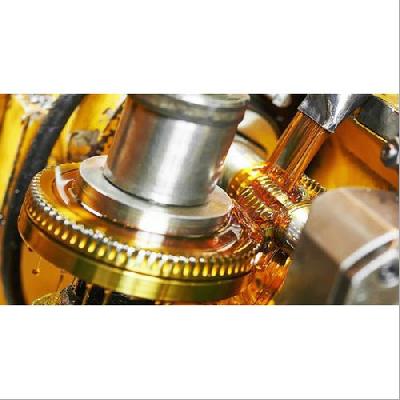
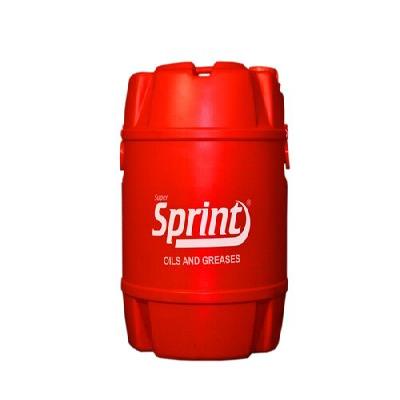
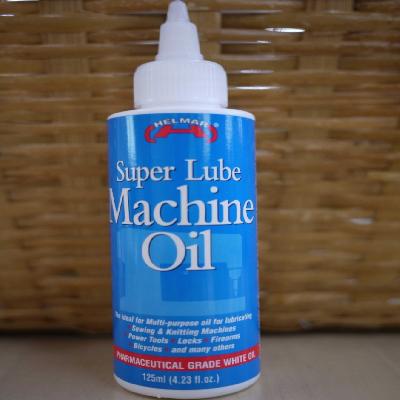
Machine oils, also known as machine lubricants or cutting oils, are used to reduce friction and wear on moving parts in machinery and equipment.
Where To Use Machine Oils
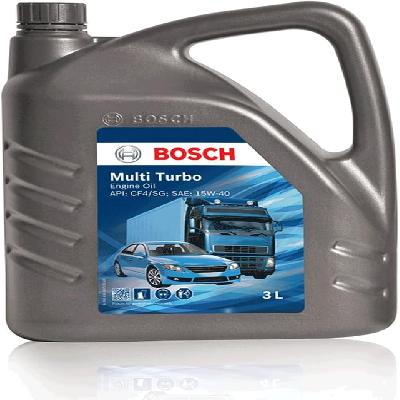
Machine oils are used in various industries, including manufacturing, automotive, and textile. They can be applied to machinery such as engines, gearboxes, and bearings.
Key Features Of Machine Oils
Reduce friction and wear on moving parts
Improve machine efficiency and productivity
Extend machine lifespan and reduce maintenance costs
Protect machinery from corrosion and rust
How To Use Machine Oils
Apply machine oils regularly to moving parts
Clean and dry machinery before application
Use the recommended amount of oil for optimal performance
Maintain adequate lubrication levels to prevent wear and tear
How Machine Oils Is Manufactured
Machine oils are typically manufactured through a process of blending and refining base oils with additives to enhance their performance and longevity.
Technical Specification Of Machine Oils
Viscosity (cSt):
10-50
Flash Point (°C):
120-180
Pour Point (°C):
-20-10
Density (g/cm³):
0.8-1.2
The technical specification of machine oils is critical in ensuring their performance and longevity. The viscosity, flash point, pour point, and density of the oil all play important roles in determining its suitability for specific applications.
Description Of Machine Oils
Machine oils are designed to provide lubrication and protection to machinery and equipment in various industries. They can be used in a wide range of applications, from manufacturing to automotive.
Related Products & Synonyms Of Machine Oils
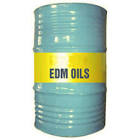
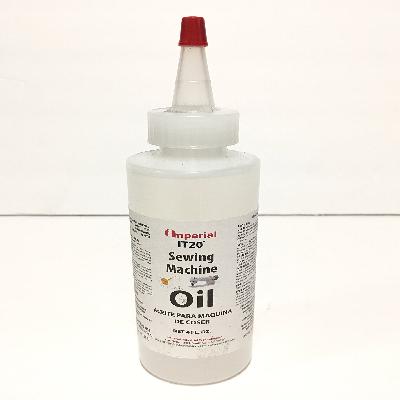
Machine oils have several related products, including base oils, sewing machine oil, EDM oil, gun oil, spindle oils, reclaimed base oil, pitch oil, diffusion pump oil, textile lubricants, anti-static oil, spark erosion oil, and sugar mill roll bearing oil.
Synonyms of machine oils include machine tool way oil, machine tools lubricants, spinning oil, and reclaimed base oil.