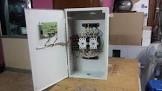
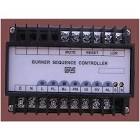
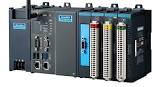
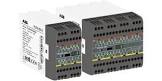
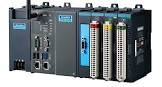
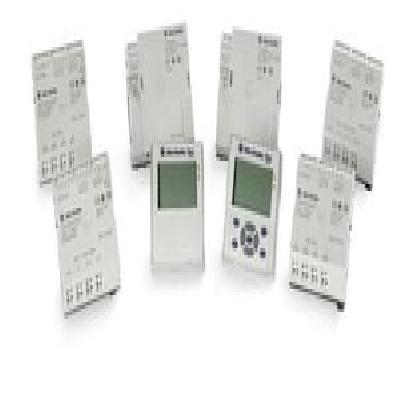
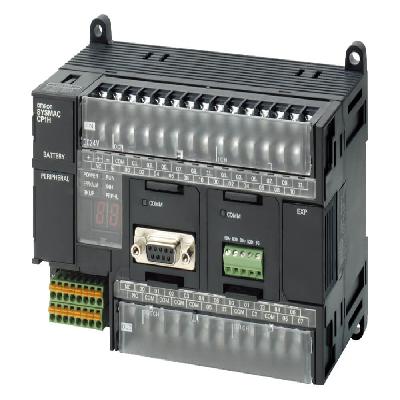
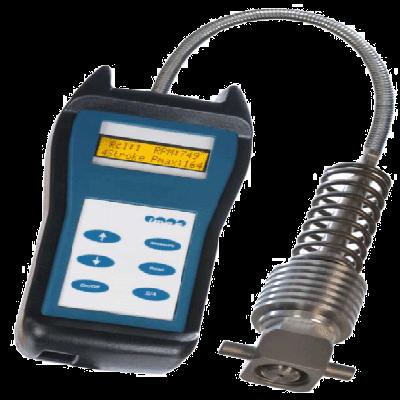
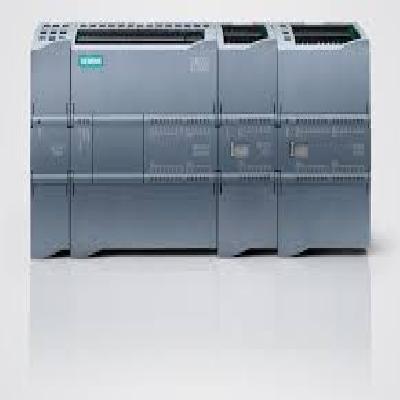
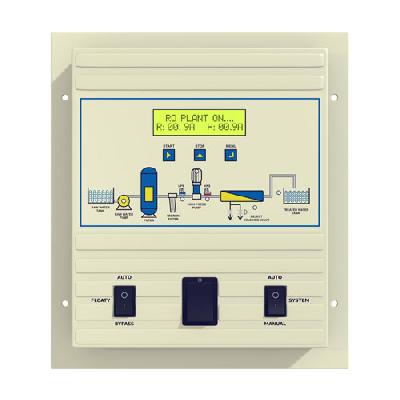
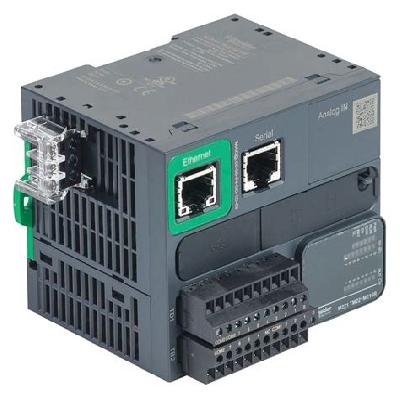
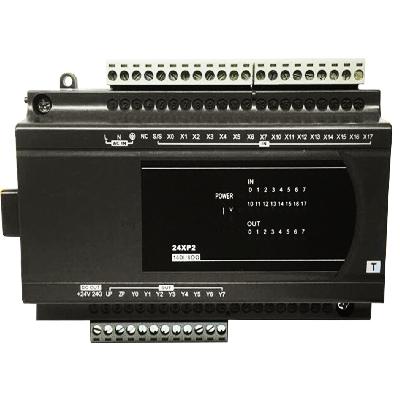
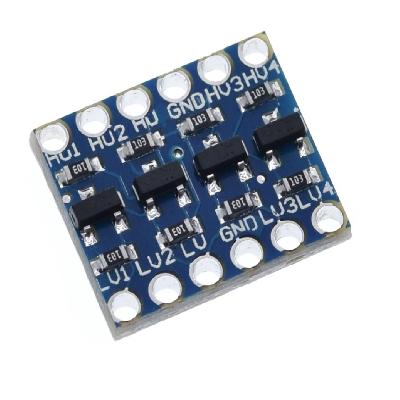
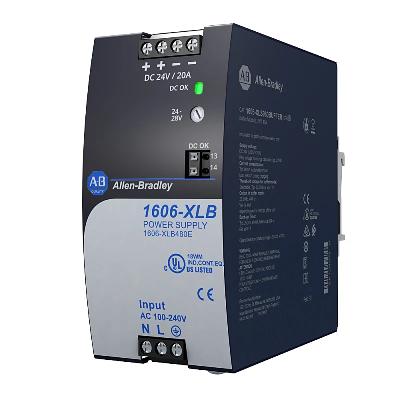
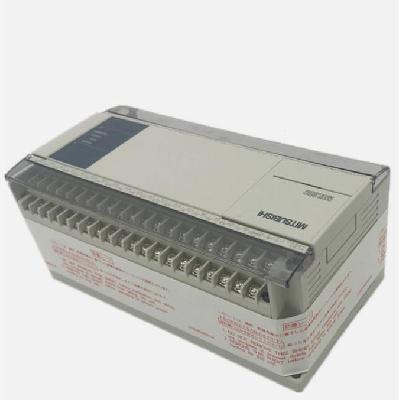
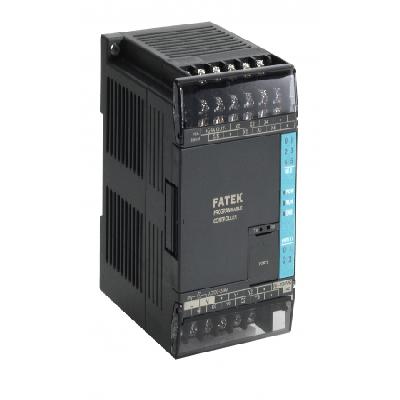
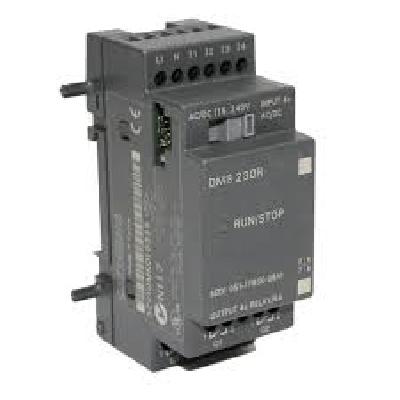
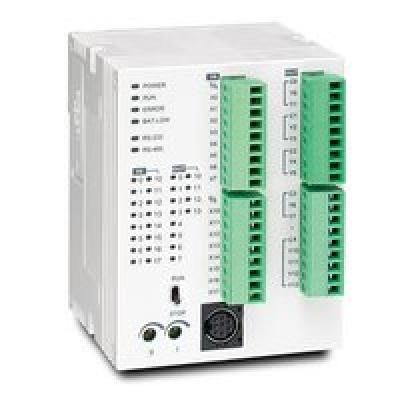
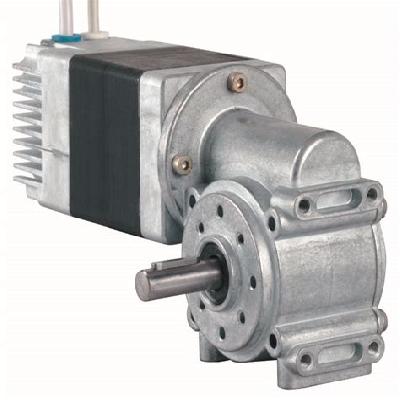
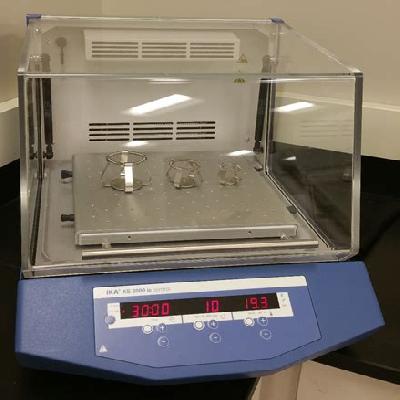
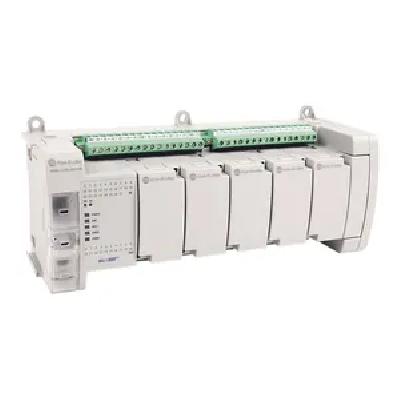
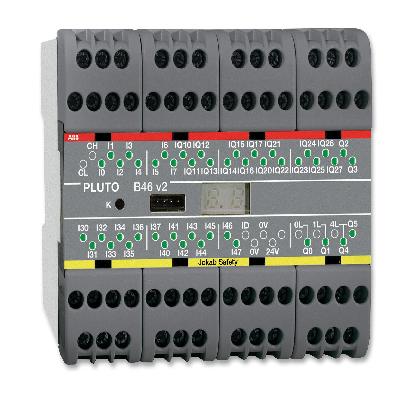
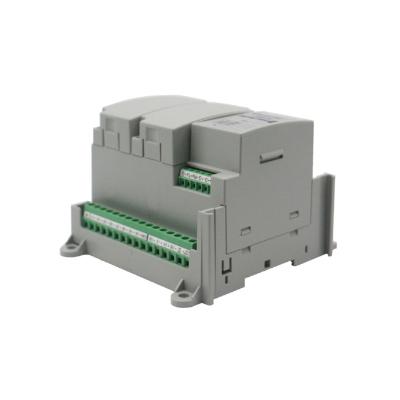
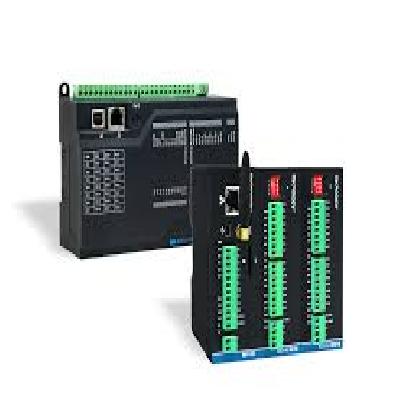
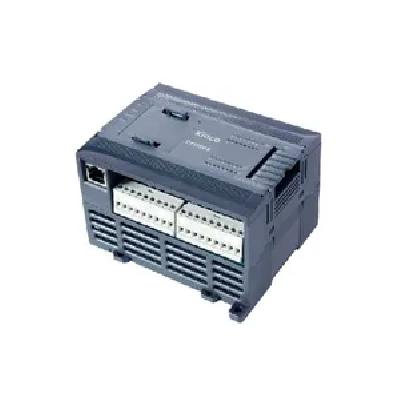
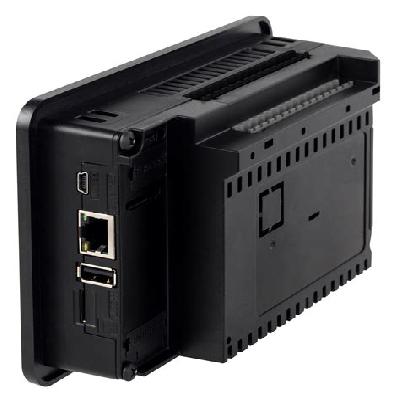
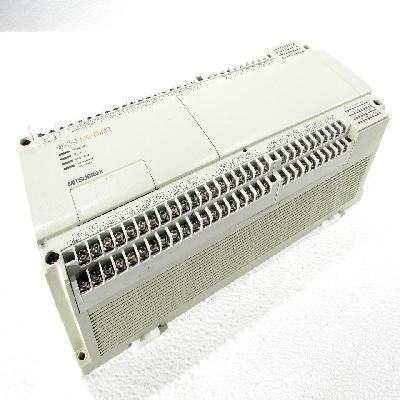
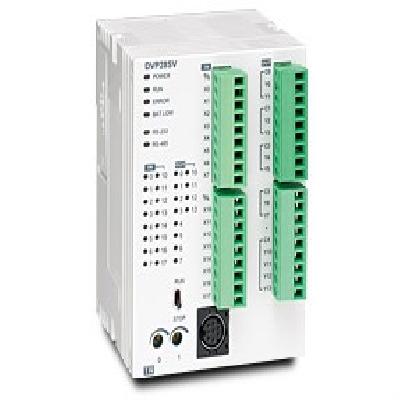
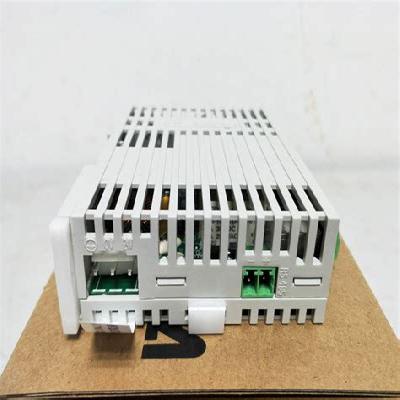
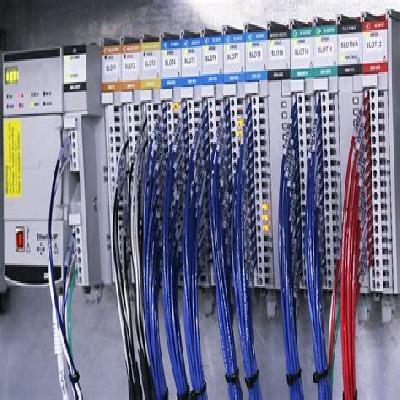
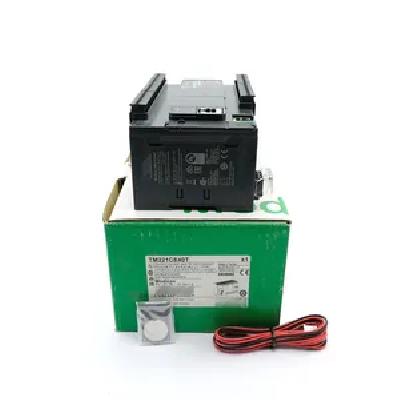
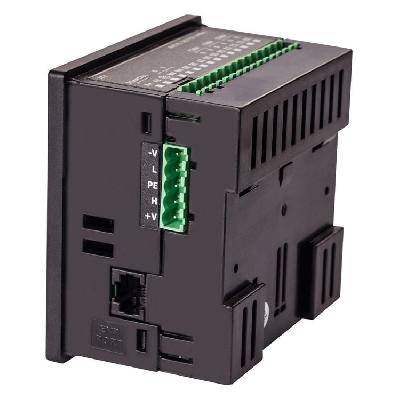
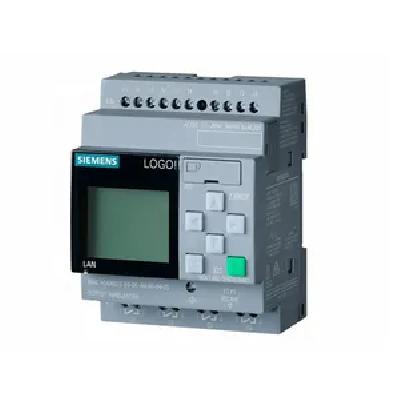
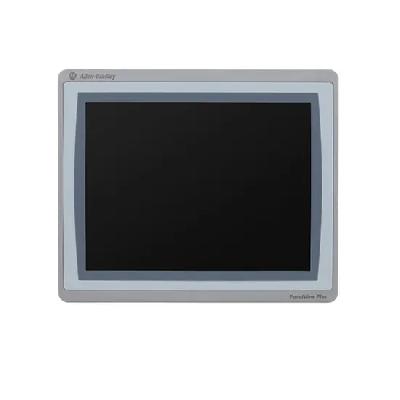
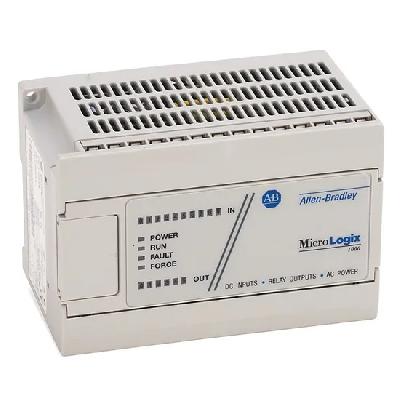
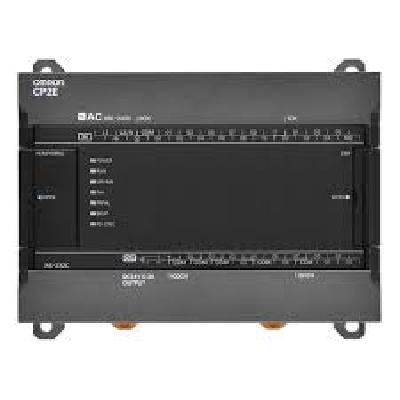
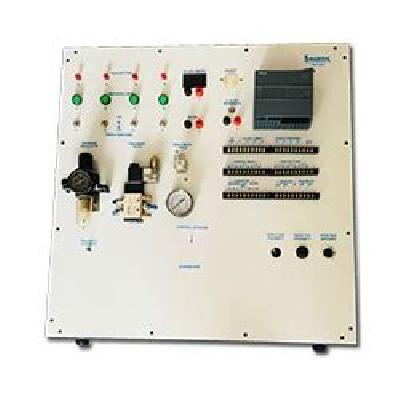
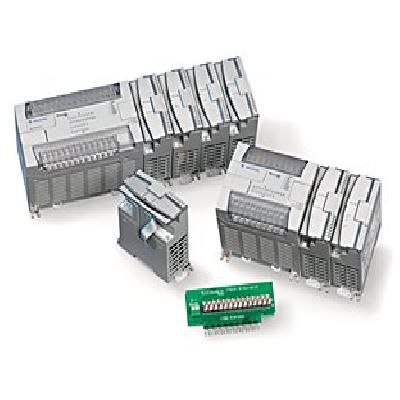
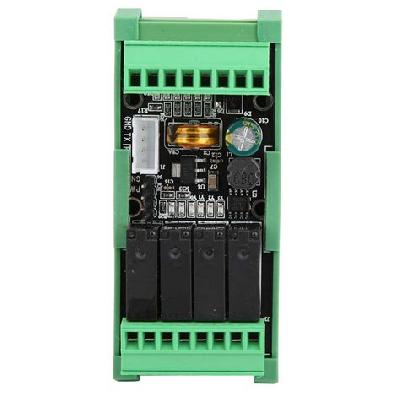
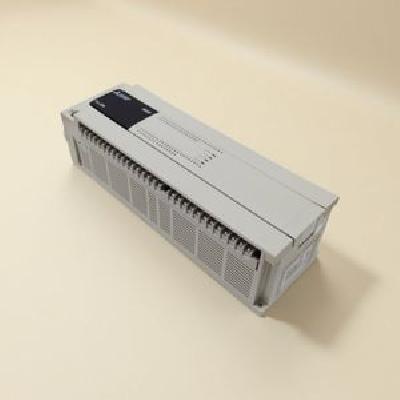
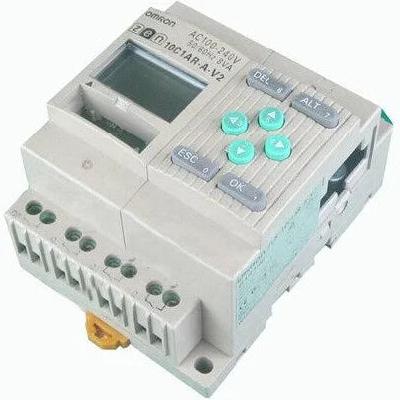
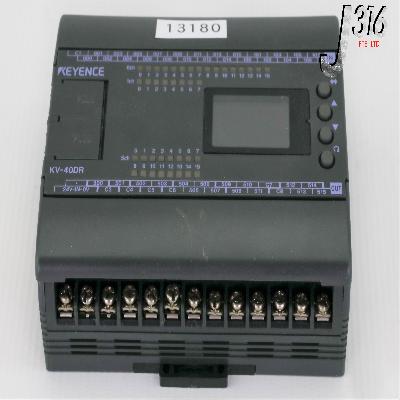
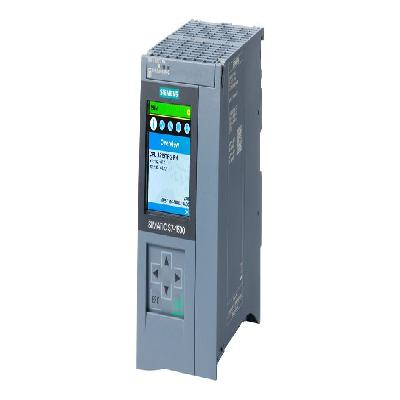
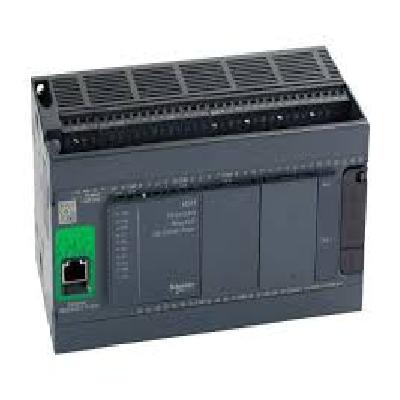
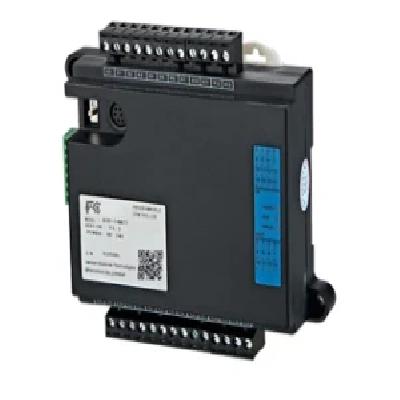
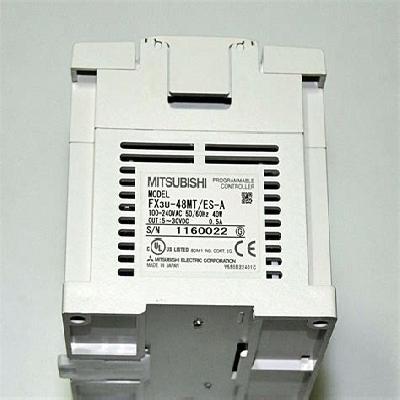
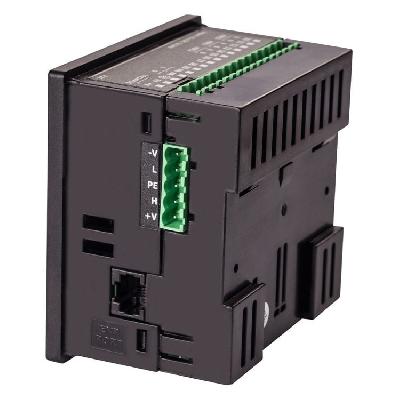
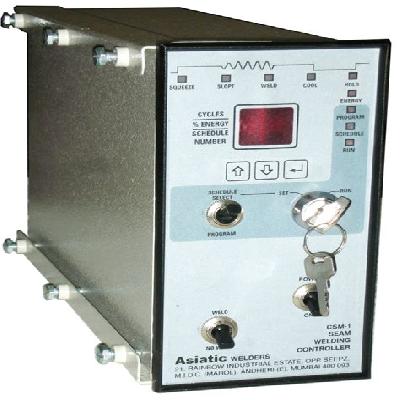
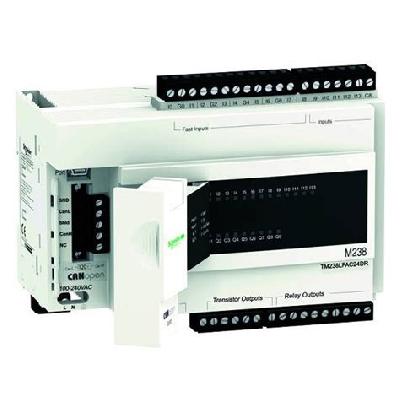
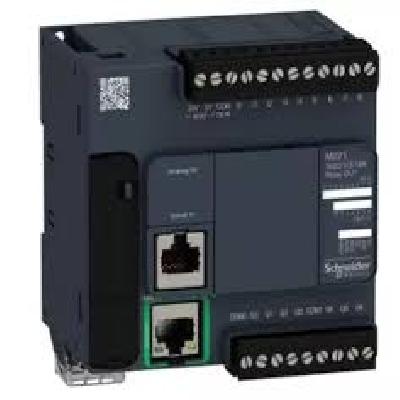
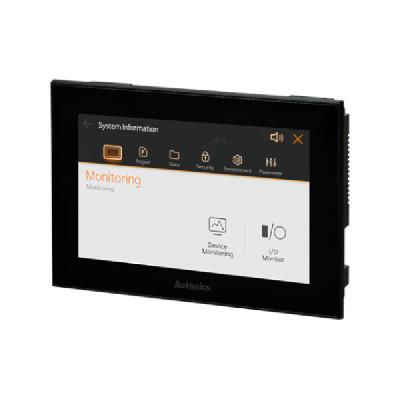
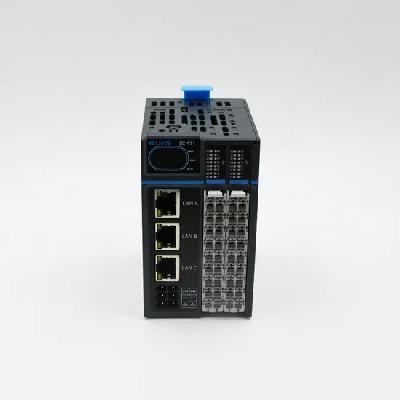
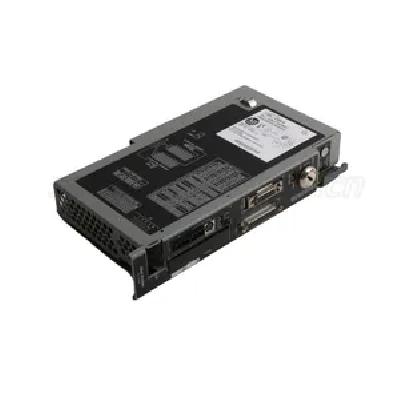
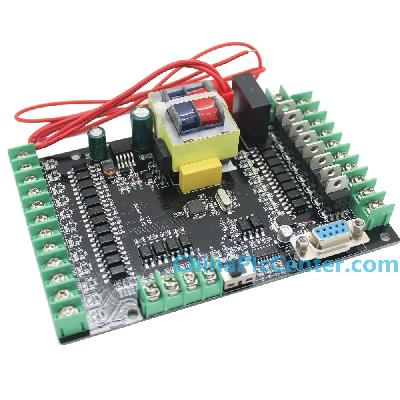
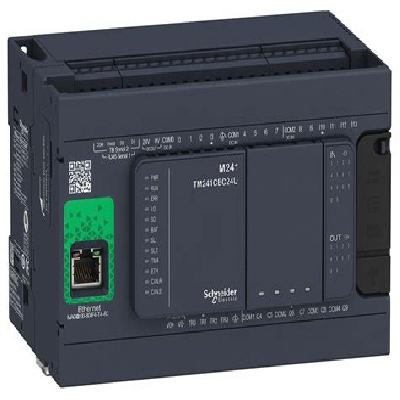
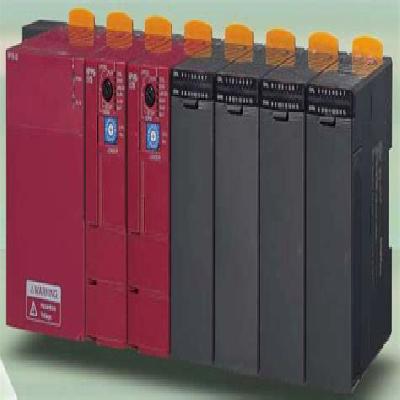
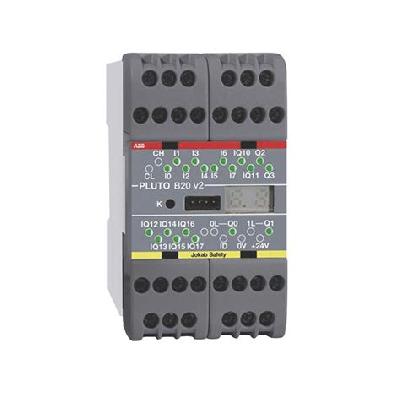
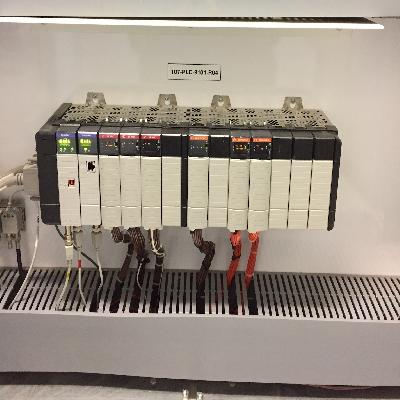
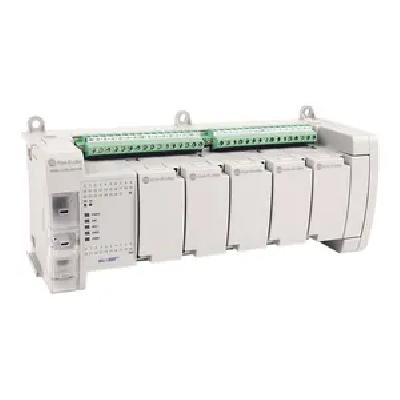
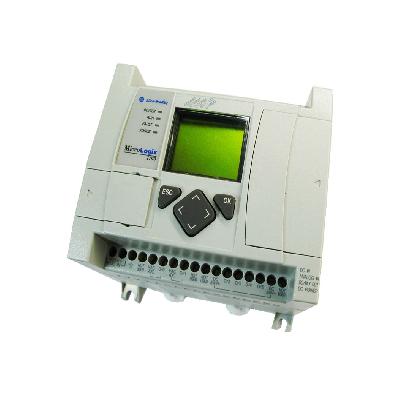
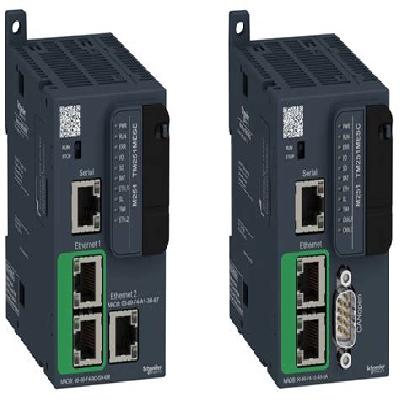
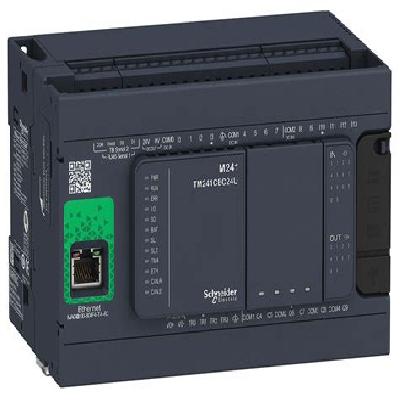
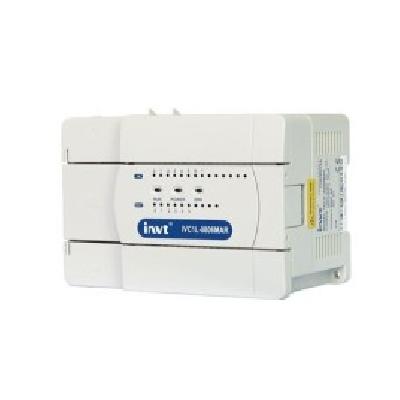
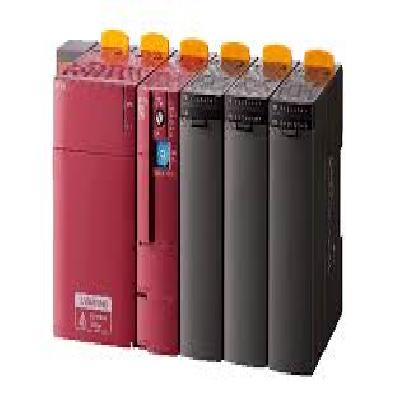
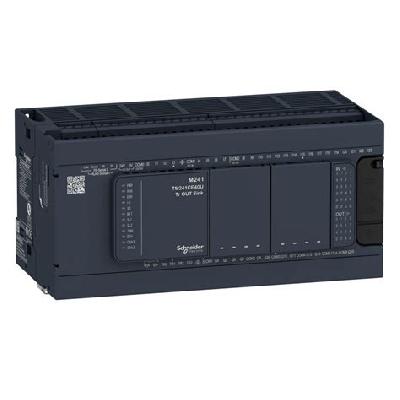
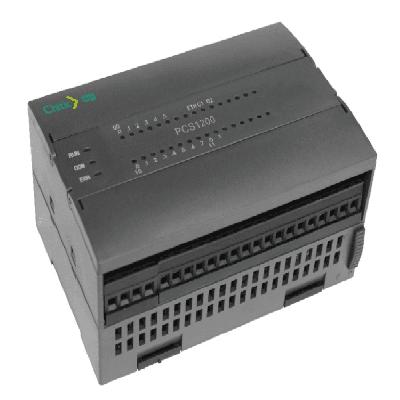
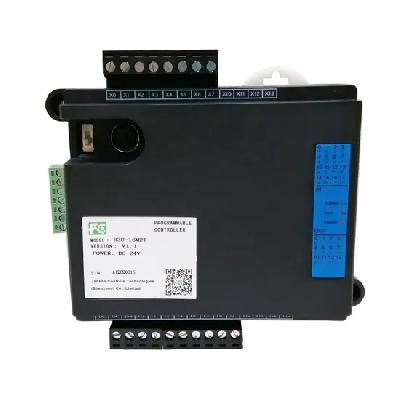
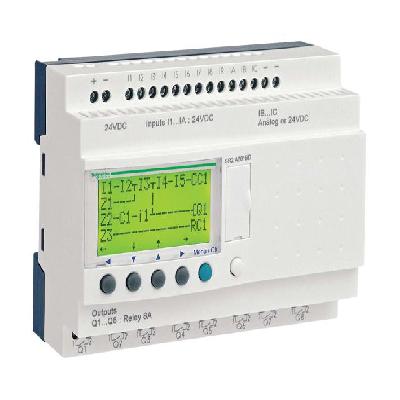
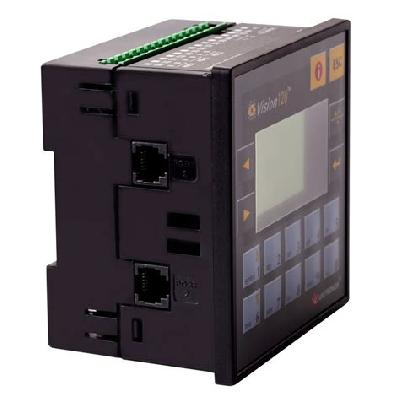
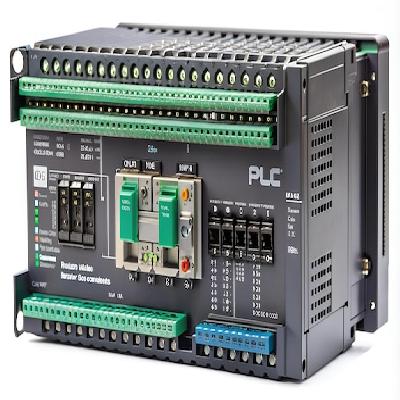
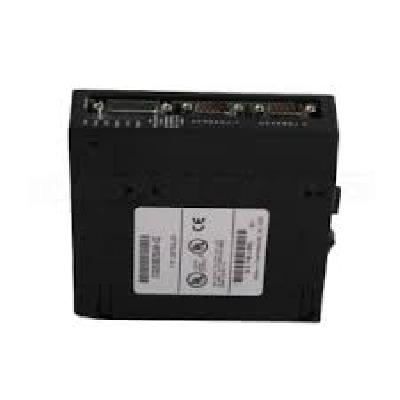
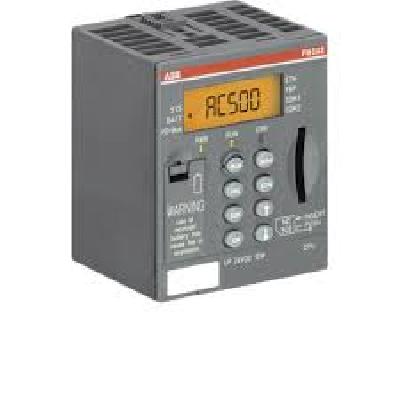
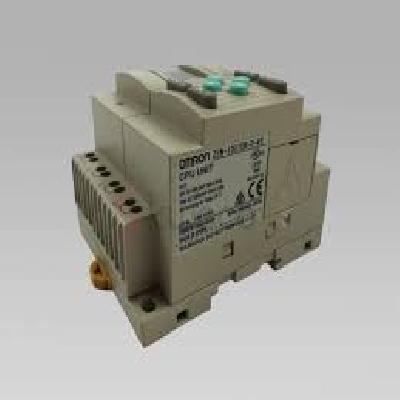
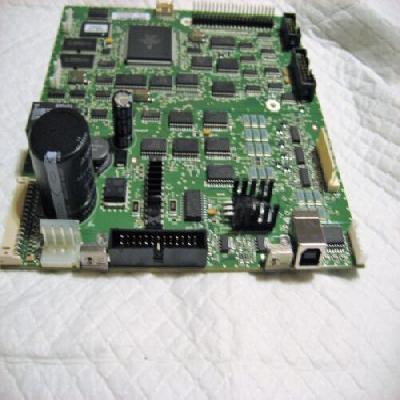
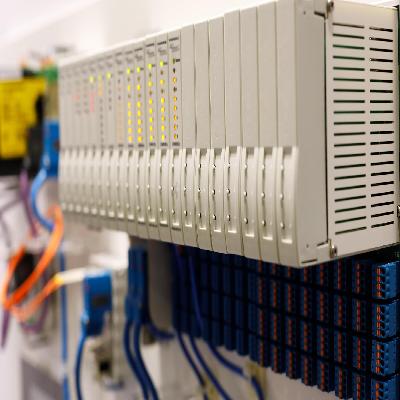
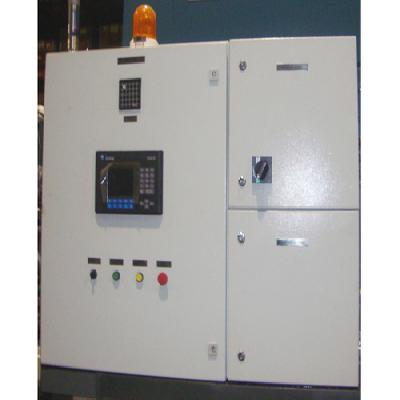
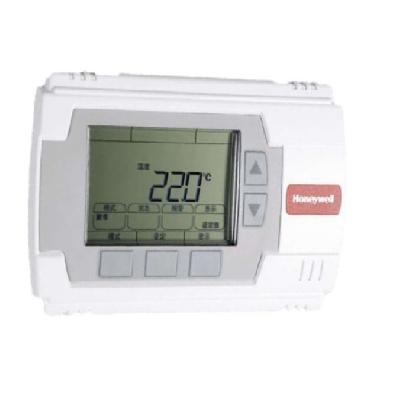
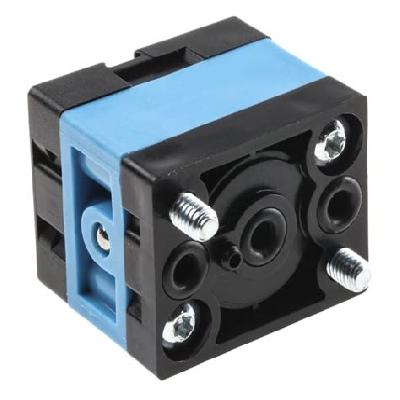
Logic controllers are industrial products used to control and manage the flow of data, signals, or processes in a wide range of applications.
Where To Use Logic Controllers
Logic controllers are commonly used in industries such as manufacturing, process control, and automation.
Key Features Of Logic Controllers
Programmable logic
High-speed processing
Large memory capacity
Multiple communication protocols
How To Use Logic Controllers
Configure the logic controller according to the application requirements
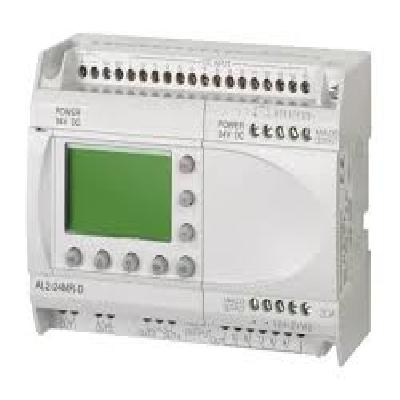
Program the logic controller using a programming software or language
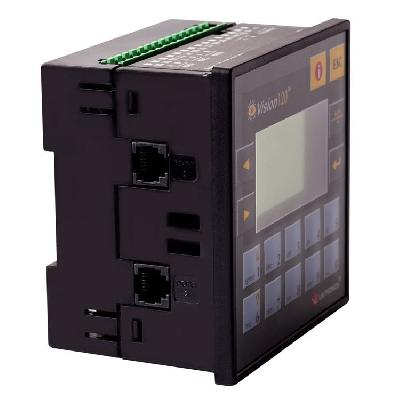
Test and debug the logic controller
Install and commission the logic controller in the field
How Logic Controllers Is Manufactured
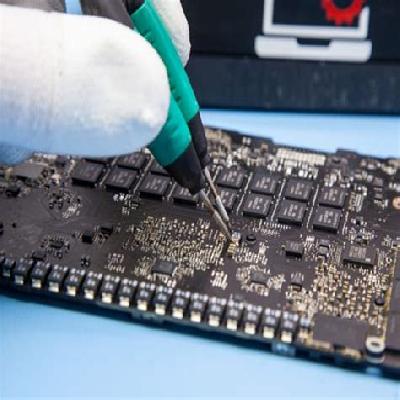
Logic controllers are manufactured using a combination of electronic and mechanical components, including microprocessors, memory units, and input/output modules.
Technical Specification Of Logic Controllers
Input Voltage
24V DC, 120V AC, or 240V AC
Programming
Ladder logic, function block, or IEC 61131-3 compliant
Memory Capacity
2KB to 16MB, depending on the model
Communication
RS-232, RS-485, Ethernet, or Profibus
The technical specifications of logic controllers can vary depending on the specific model and manufacturer. The above table provides a general idea of the typical specifications found in commercial logic controllers.
Description Of Logic Controllers
Logic controllers are designed to provide a flexible and reliable way to control and automate industrial processes.
Related Products & Synonyms Of Logic Controllers
Some related products to logic controllers include phase sequence correctors, sequence controllers, automation controllers, programmable safety controllers, programmable automation controllers, and Pico GFX controllers.