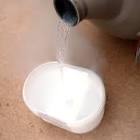
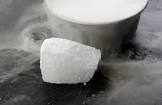
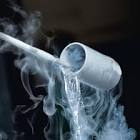
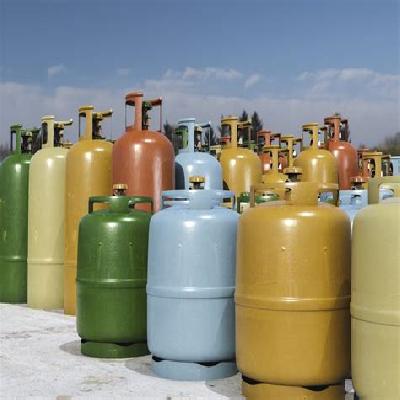
Liquid gas is a type of compressed gas that has been liquefied through cooling and pressurization. It is often used as a fuel or chemical feedstock in industrial processes. Liquid gas can be stored in specialized containers and transported via pipelines or road tankers.
Where To Use Liquid Gas
Cryogenic applications, such as cooling and refrigeration
Industrial processes, like chemical synthesis and manufacturing
Transportation fuels, including liquefied petroleum gas (LPG)
Key Features Of Liquid Gas
High energy density and low boiling point
Can be compressed or liquefied for efficient storage and transport
Versatile and can be used in various industrial applications
How To Use Liquid Gas
Handle and store with proper safety equipment and precautions
Use specialized containers or pipelines for transportation and storage
Follow local regulations and guidelines for handling and use
How Liquid Gas Is Manufactured
The production of liquid gas involves a series of steps, including extraction, purification, and compression or liquefaction. This process can vary depending on the specific type of gas being produced.
Specialized containers or pipelines for transportation and storage
Storage:
Proper safety equipment and precautions must be taken during handling and storage
The technical specification of liquid gas is crucial for safe and efficient use in various industrial applications. The clear, colorless appearance and versatility make it an essential component in cryogenic applications, industrial processes, and transportation fuels. Proper packaging and storage are also vital to prevent accidents and ensure optimal performance.
Description Of Liquid Gas
Liquid gas is a widely used industrial substance with various applications in different sectors.
Related Products & Synonyms Of Liquid Gas
Some related products of liquid gas include:
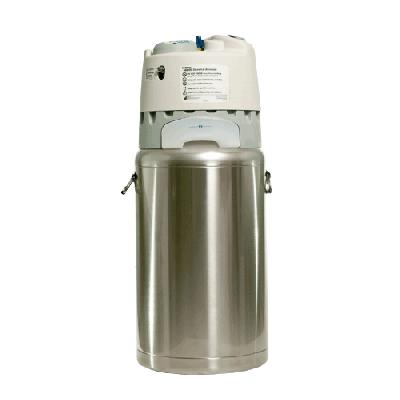
Liquid Nitrogen (LN2): A cryogenic fluid used for cooling and refrigeration
Liquid Carbon Dioxide (LCO2): A versatile gas used in food, medical, and industrial applications
Ethyl Chloride (EtCl): A highly flammable chemical used as a solvent or an intermediate in chemical synthesis
Liquid Helium (He): The only liquid noble gas with very low boiling point and high energy density
Liquid Argon Gas (LAr): A highly versatile and widely used cryogenic fluid for various applications
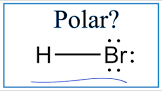
Hydrogen Bromide (HBr): A strong inorganic acid and a key component in chemical synthesis and production processes
Liquid Oxygen LOx: Highly reactive gas used as an oxidizer and propellant in rocketry, medical care, and other industries