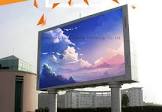
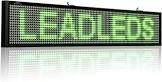
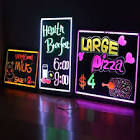
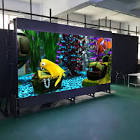
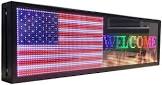
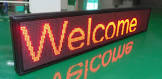
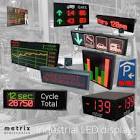
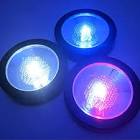
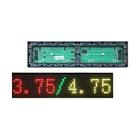
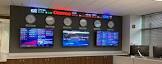
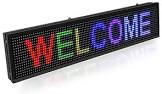
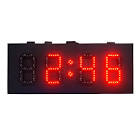
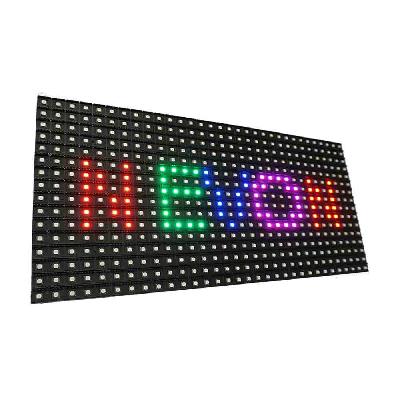
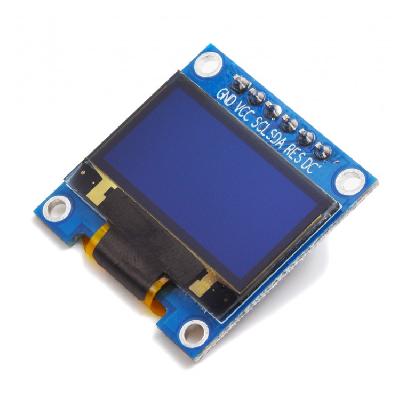
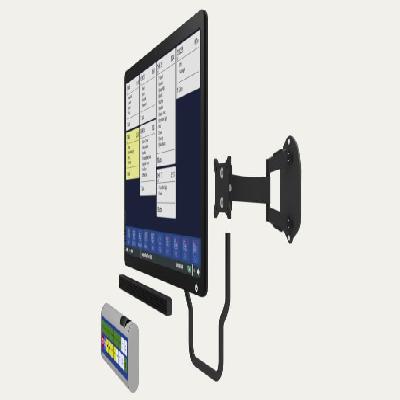
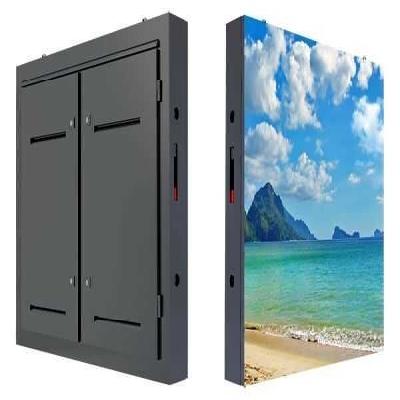
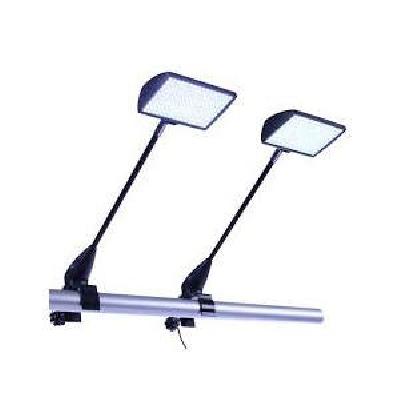
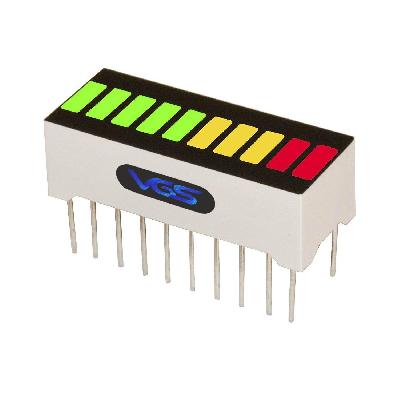
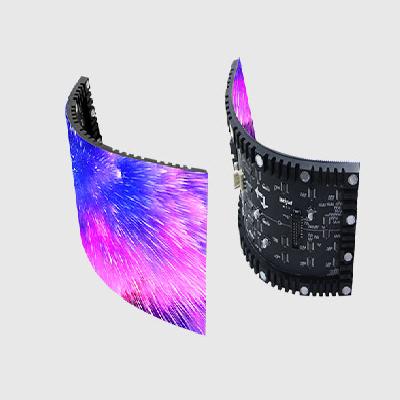
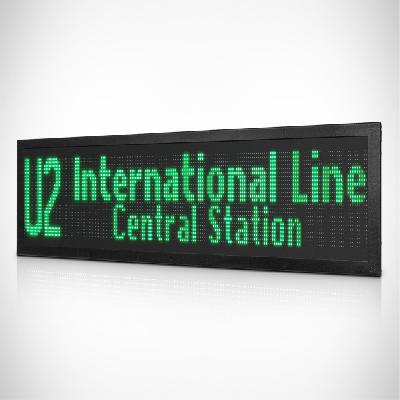
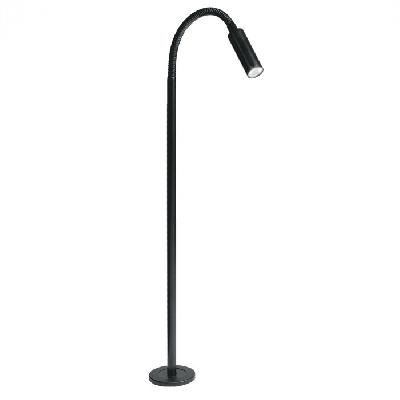
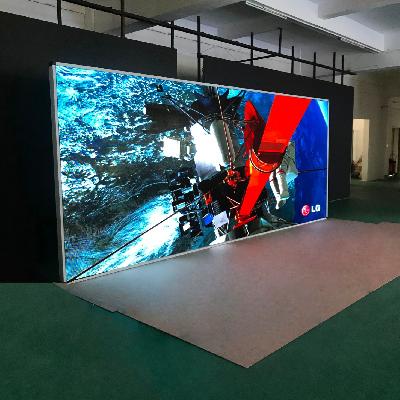
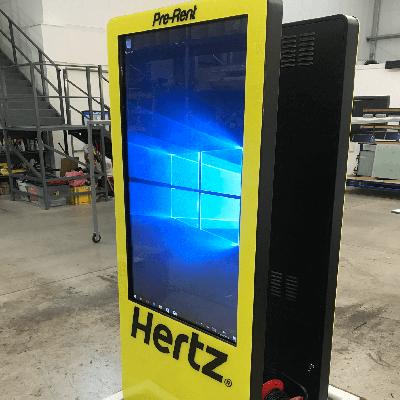
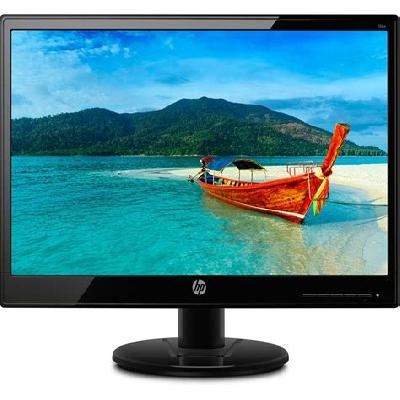
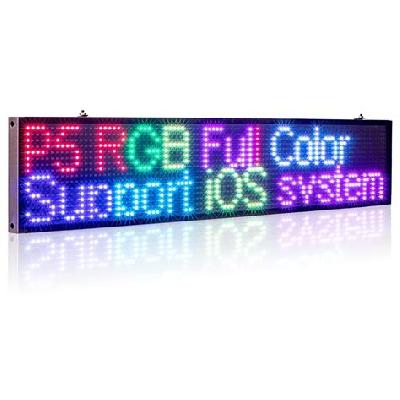
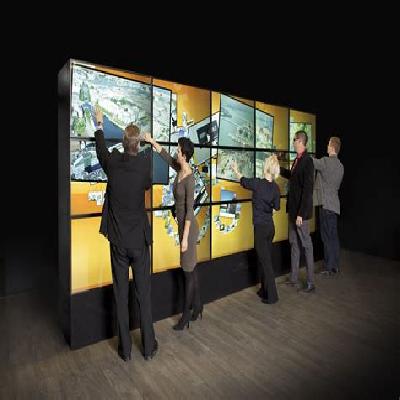
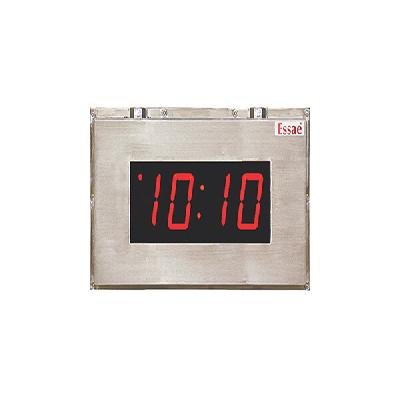
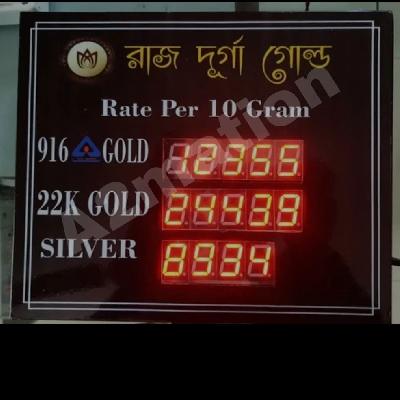
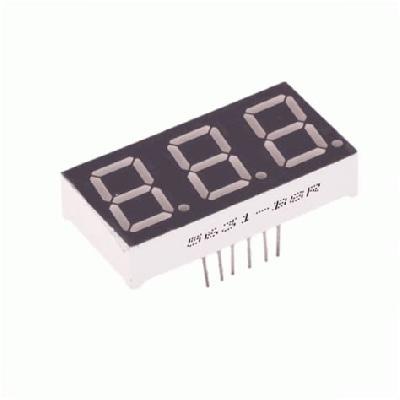
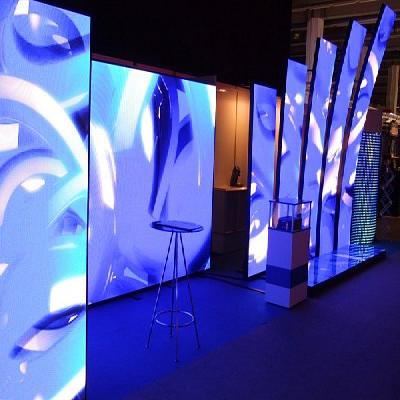
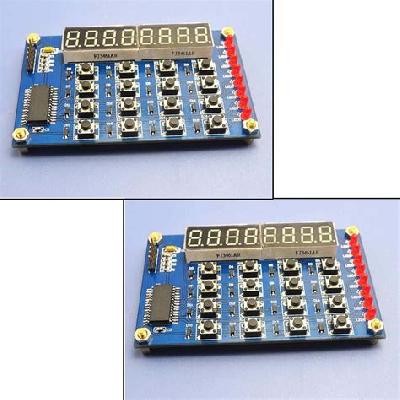
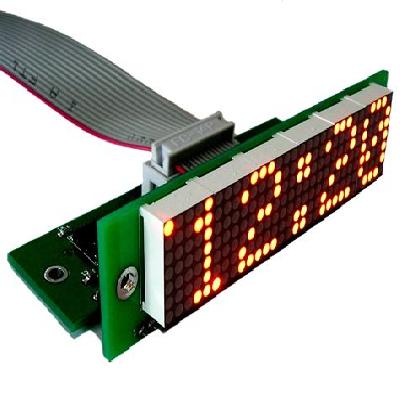
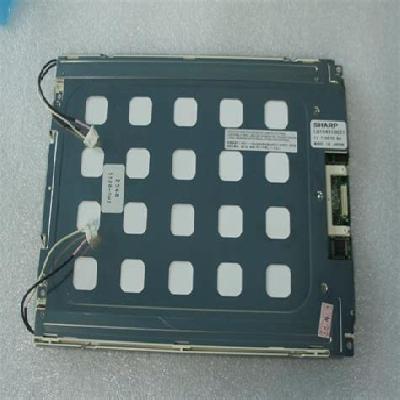
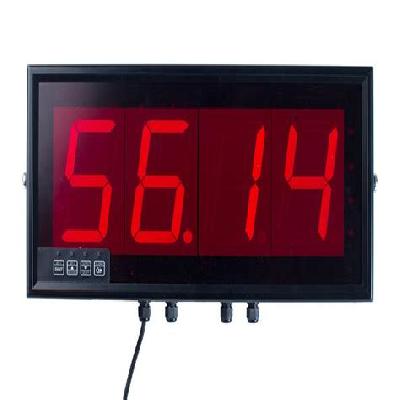
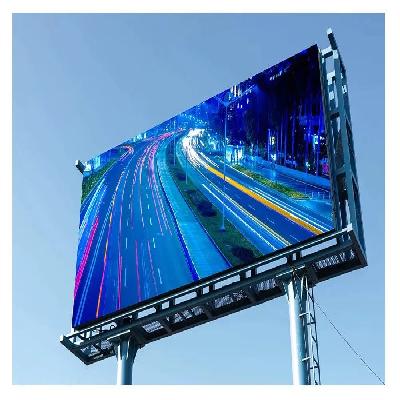
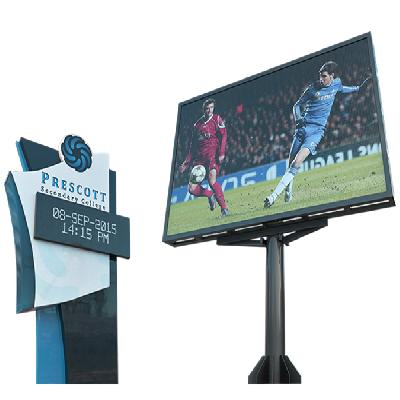
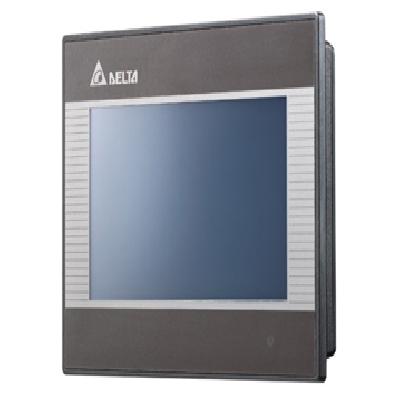
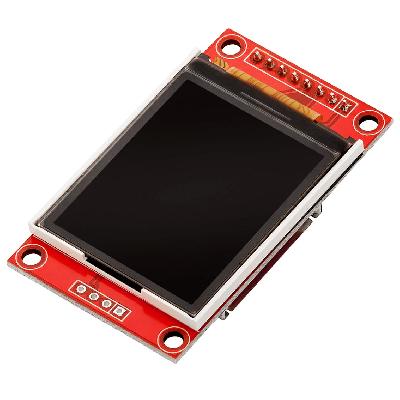
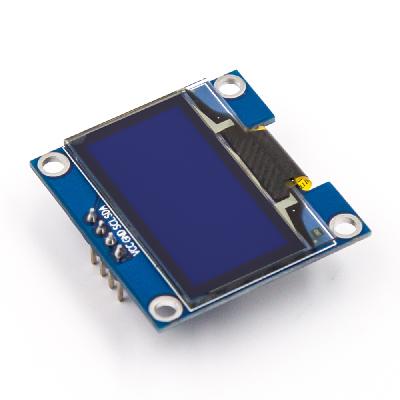
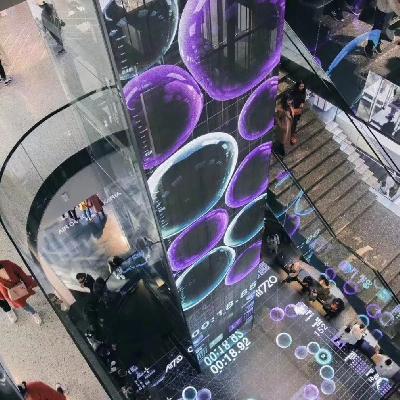
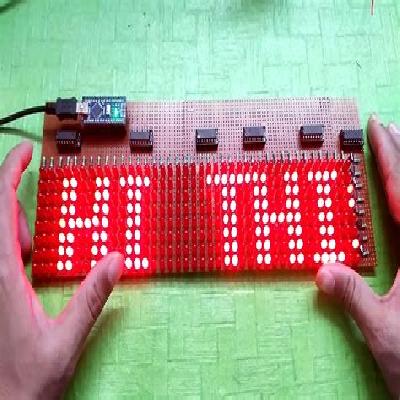
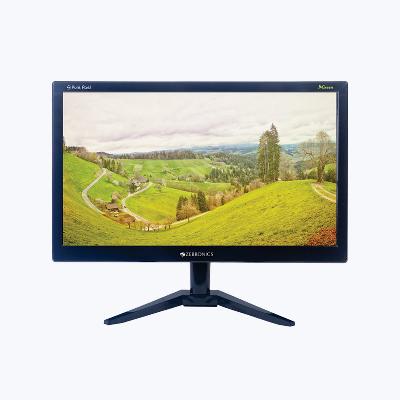
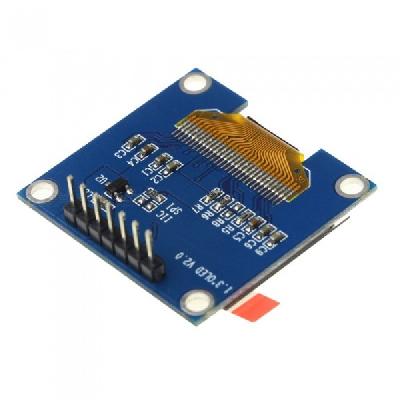
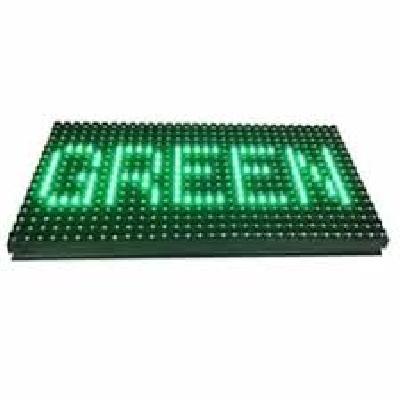
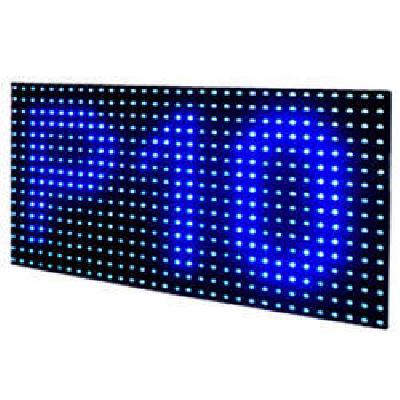
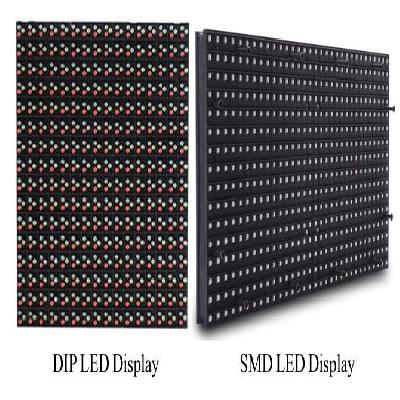
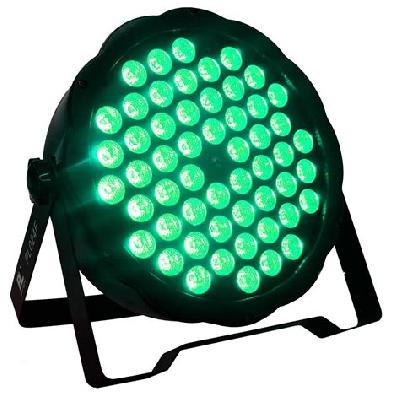
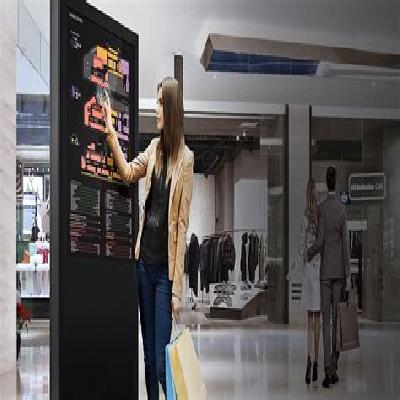
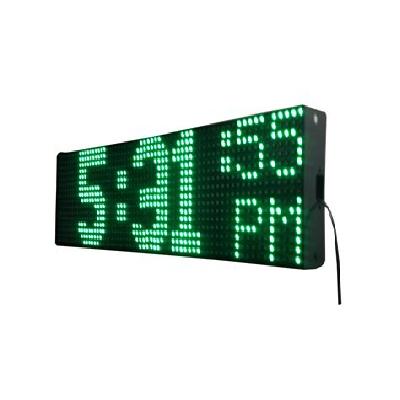
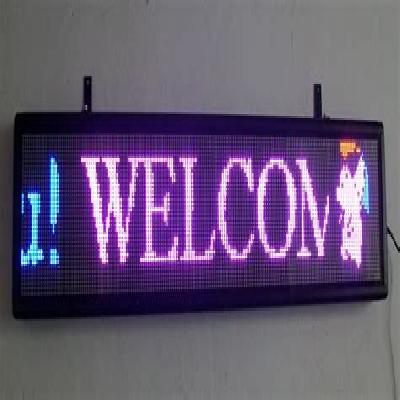
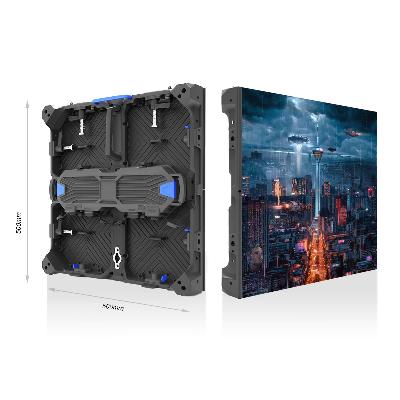
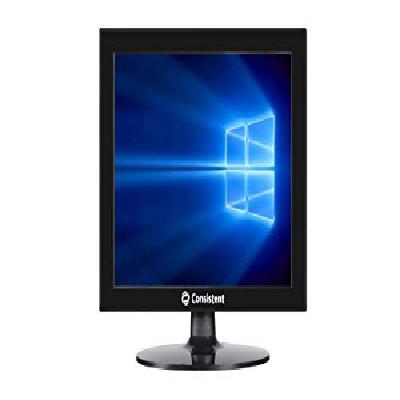
LED Displays are electronic display devices that use Light Emitting Diodes (LEDs) to display information. They are widely used in various applications, including industrial, commercial, and residential settings.
Where To Use LED Displays
LED Displays can be used in various settings, including:
Industrial control panels
Commercial display boards
Residential signage and decoration
Retail displays and advertisements
Key Features Of LED Displays
High brightness and visibility
Long lifespan and low maintenance
Energy efficiency and cost-effectiveness
Waterproof and dustproof design
Wide viewing angle and high resolution
How To Use LED Displays
Connect the LED display to a power source and control unit
Configure the display settings using the control unit or software
Input data into the display using a keyboard, USB drive, or other input devices
Monitor and adjust the display as needed for optimal performance
How LED Displays Is Manufactured
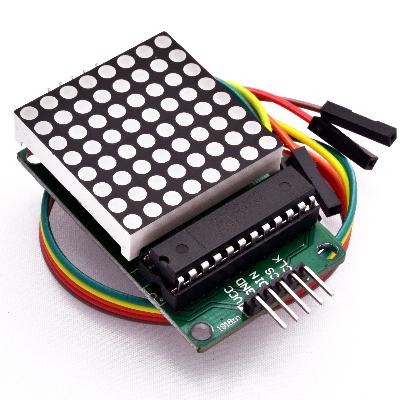
The manufacturing process of LED displays involves several stages, including design and prototyping, component selection and sourcing, PCB assembly and testing, and final assembly and quality control.
Technical Specification Of LED Displays
Pixel Pitch (mm)
2-10
Resolution (dots)
320x240, 640x480, 1280x720
Brightness (cd/m²)
500-2000
Refresh Rate (Hz)
60, 120, 240
Operating Voltage (V)
5-24
The technical specifications of LED displays vary depending on the application and intended use. The pixel pitch, resolution, brightness, refresh rate, and operating voltage are all critical factors to consider when selecting an LED display.
Description Of LED Displays
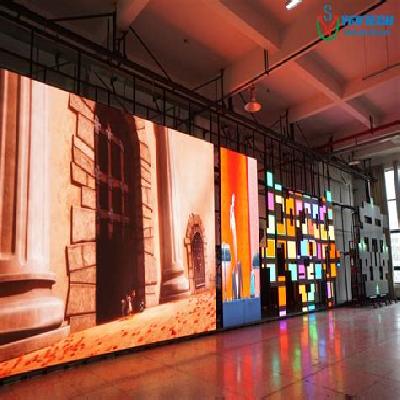
LED displays are electronic display devices that use Light Emitting Diodes (LEDs) to display information. They are widely used in various applications, including industrial, commercial, and residential settings.