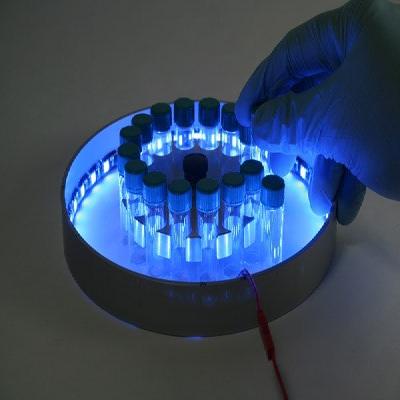
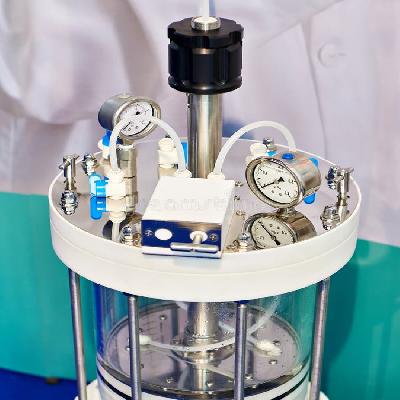
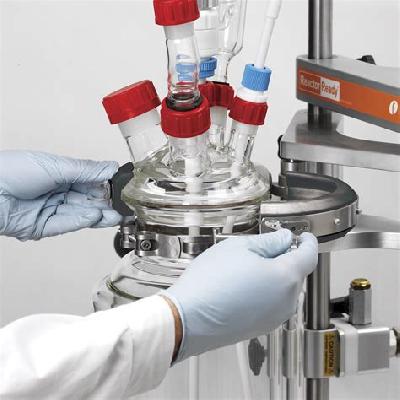
Laboratory reactors are specialized equipment used in chemical research and development to facilitate various laboratory procedures, including mixing, blending, and reaction of chemicals under controlled conditions.
Where To Use Laboratory Reactors
Laboratory reactors are commonly used in research and development facilities, universities, and industrial laboratories where chemical synthesis, catalyst testing, and process optimization are performed.
Key Features Of Laboratory Reactors
Designed for safe handling and operation of chemicals under various conditions
Enable precise control over reaction parameters such as temperature, pressure, and mixing speed
Suitable for small to moderate-scale chemical synthesis and process development
Often include built-in sensors and monitoring systems for real-time data collection and process optimization
How To Use Laboratory Reactors
Ensure proper training and understanding of the equipment before operation
Follow established protocols for preparing and operating the reactor, including handling chemicals and monitoring conditions
Maintain accurate records of experiments and results to facilitate process optimization and reproduction
Regularly inspect and maintain the reactor to ensure optimal performance and safety
How Laboratory Reactors Is Manufactured
The manufacturing process of laboratory reactors typically involves the use of high-quality materials and precise engineering to ensure reliable operation and safety.
Technical Specification Of Laboratory Reactors
Temperature Range:
Ambient to 200°C
Stirrer Speed range:
0 to 1000 rpm
Pressure Range:
Atmospheric to 10 bar
Volume Capacity:
50 mL to 5 L
Voltage:
220-240 V AC
Frequency:
50 Hz
The technical specifications of laboratory reactors are designed to accommodate a wide range of chemical synthesis and process development applications. The temperature range, stirrer speed, pressure range, volume capacity, voltage, and frequency are optimized for safe and efficient operation under various conditions.
Description Of Laboratory Reactors
Laboratory reactors are typically designed with a robust and compact structure to accommodate various laboratory procedures, including mixing, blending, and reaction of chemicals under controlled conditions.
Related Products & Synonyms Of Laboratory Reactors
The related products to laboratory reactors include:
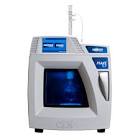
Microwave Synthesizer: A device that uses microwave energy to facilitate chemical synthesis and process development
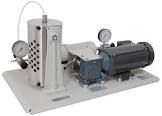
Hydrogenator: A device designed for the hydrogenation of chemicals under controlled conditions
Cod Reactor: A type of reactor used in pharmaceutical and fine chemical industries for specific reaction requirements
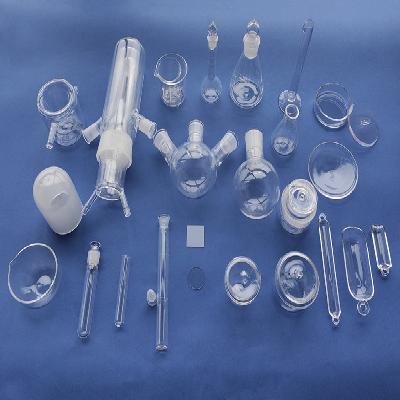
Quartz Reactor: A high-temperature, high-pressure reactor made from quartz material for various laboratory applications
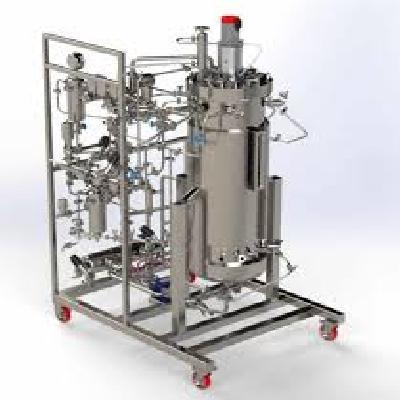
Sterile Solid State Laboratory Bioreactor: A device designed for the cultivation of microorganisms under sterile conditions