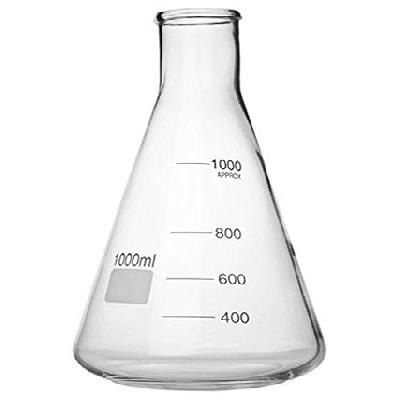
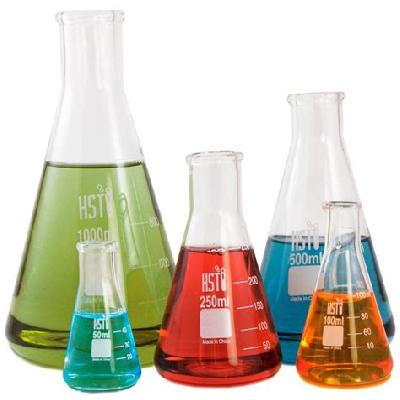
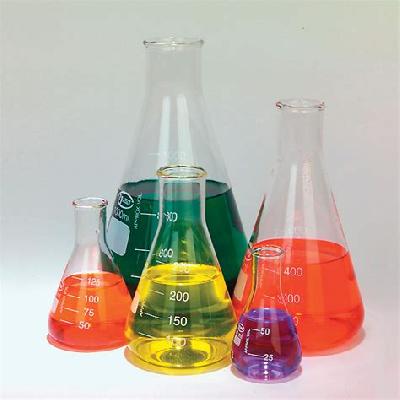
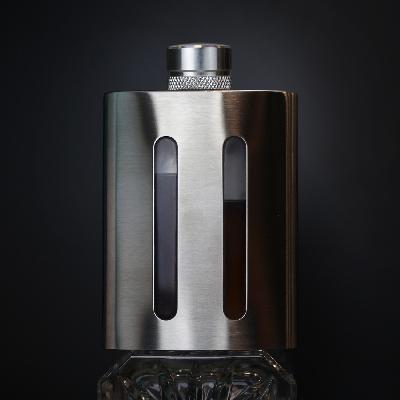
Laboratory flasks are a type of laboratory equipment used for mixing, heating, and measuring chemicals in various scientific experiments.
Where To Use Laboratory Flasks
Laboratory flasks are commonly used in various scientific laboratories, including chemistry, biology, and physics labs.
Key Features Of Laboratory Flasks
Heat-resistant materials for safe handling of hot chemicals
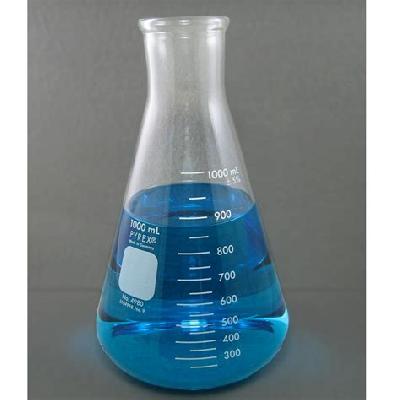
Accurate measurements and markings for precise chemical handling
Durable construction to withstand repeated use and cleaning
Clear glass or plastic materials for easy visibility of contents
How To Use Laboratory Flasks
First, ensure the flask is properly cleaned and dried before use.
Next, carefully pour or measure the desired chemicals into the flask.
Then, heat or stir the contents as needed for the experiment.
Finally, follow proper disposal procedures for any waste generated during the experiment.
How Laboratory Flasks Is Manufactured
Laboratory flasks are manufactured using high-quality glass or plastic materials through a process of cutting, shaping, and assembly.
Technical Specification Of Laboratory Flasks
Volume Capacity (mL)
500
Material
Borosilicate Glass
Glass Thickness (mm)
2.5
Temperature Resistance (℃)
500
Shape
Cylindrical
The technical specification of laboratory flasks is designed to provide accurate and reliable results in various scientific experiments. The borosilicate glass material used ensures resistance to thermal shock, making it suitable for handling hot chemicals. The cylindrical shape allows for easy pouring and measuring of contents, while the 2.5mm glass thickness provides durability and resistance to breakage.
Description Of Laboratory Flasks
Laboratory flasks are designed to provide a safe and efficient means of mixing, heating, and measuring chemicals in various scientific experiments.
Related Products & Synonyms Of Laboratory Flasks
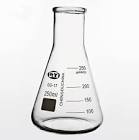
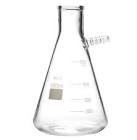
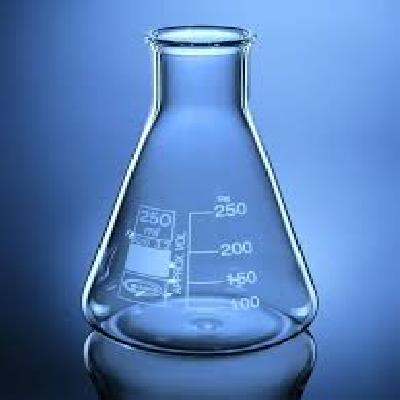
Conical Flask: A type of flask used for measuring and mixing chemicals, characterized by its conical shape.
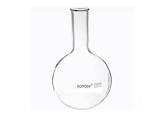
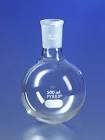
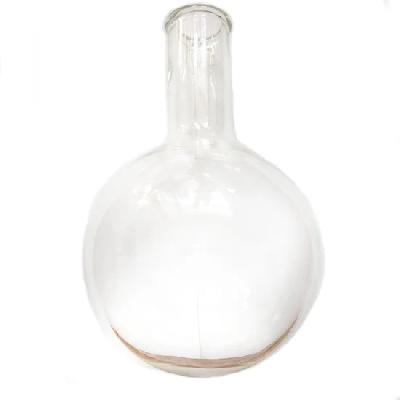
Round Bottom Flasks: A type of flask used for heating and mixing chemicals, characterized by its round bottom design.
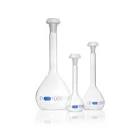
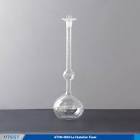
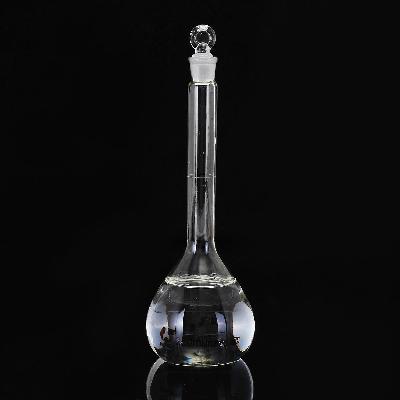
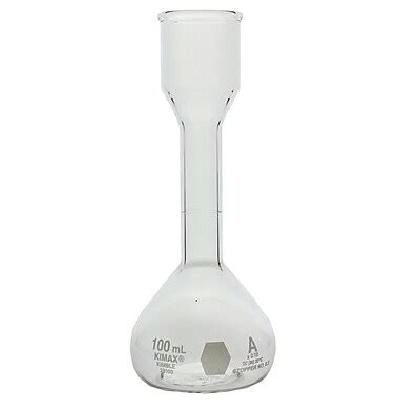
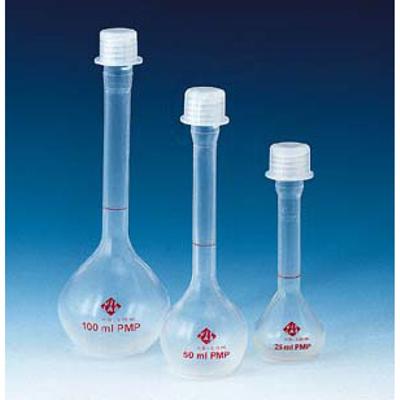
Volumetric Flask: A type of flask used for accurate measurement of chemicals, characterized by its precise markings and measurements.
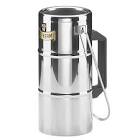
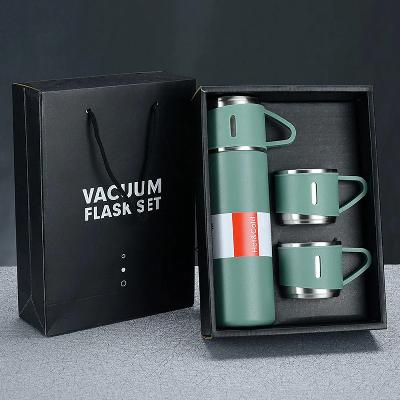
Dewar Flasks: A type of flask used for storing and transporting chemicals, characterized by its double-walled insulation.
Filtering Flask: A type of flask used for filtering chemicals, characterized by its built-in filter.
Le Chatelier Flask: A type of flask used for measuring and mixing chemicals, characterized by its unique shape and design.
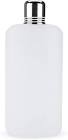
Plastic Flask: A type of flask made from plastic materials, used for handling and storing chemicals.
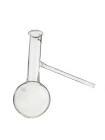
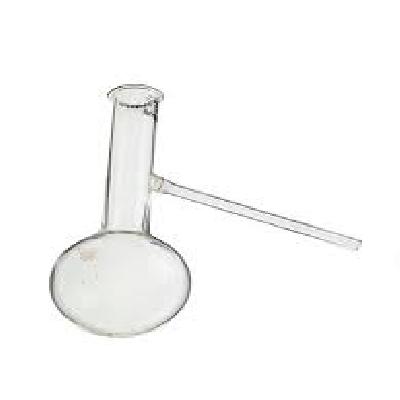
Distilling Flask: A type of flask used for distillation processes, characterized by its specialized design and features.
Borosilicate Glass Laboratory Flasks: A type of laboratory flask made from borosilicate glass, used for handling hot chemicals.
Pear Shaped Flask: A type of flask used for measuring and mixing chemicals, characterized by its pear-shaped design.
Mini Flask: A small-sized flask used for storing and transporting chemicals.
Standard Flask: A type of flask used for general laboratory purposes, characterized by its standard design and features.
Boiling Flask: A type of flask used for boiling and heating chemicals, characterized by its specialized design and features.
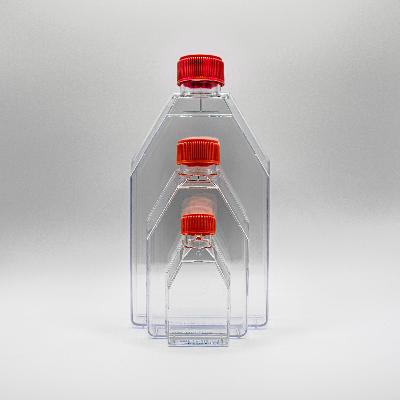
Tissue Culture Flasks: A type of flask used for culturing cells and tissues, characterized by its specialized design and features.
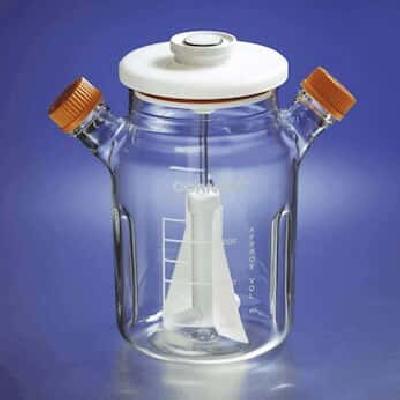
Spinner Flask: A type of flask used for mixing and stirring chemicals, characterized by its built-in spinner.
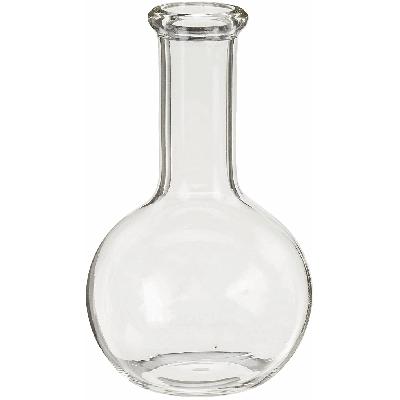
Flat Bottom Flask: A type of flask used for heating and measuring chemicals, characterized by its flat bottom design.