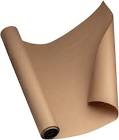
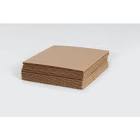
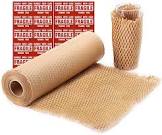
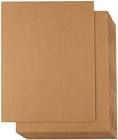
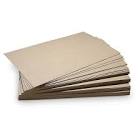
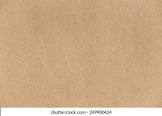
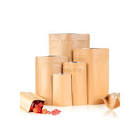
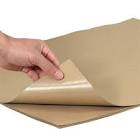
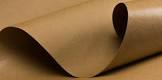
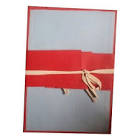
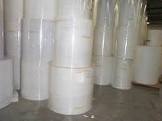
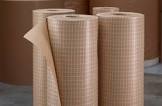
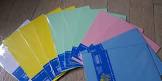
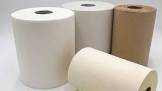
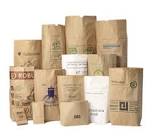
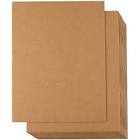
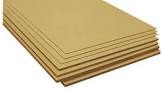
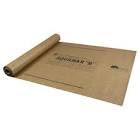
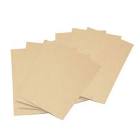
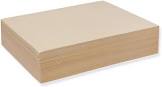
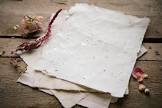
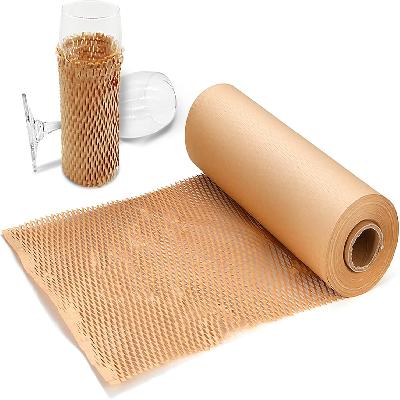
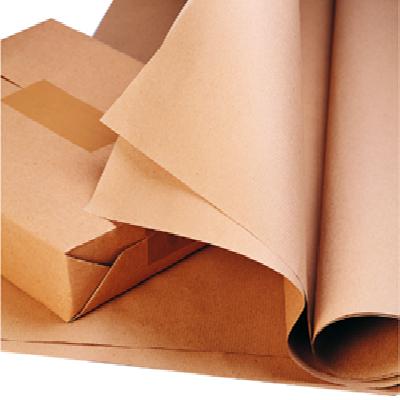
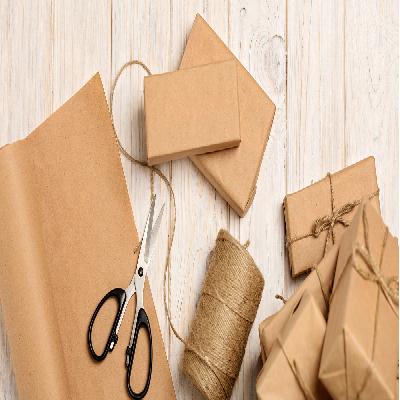
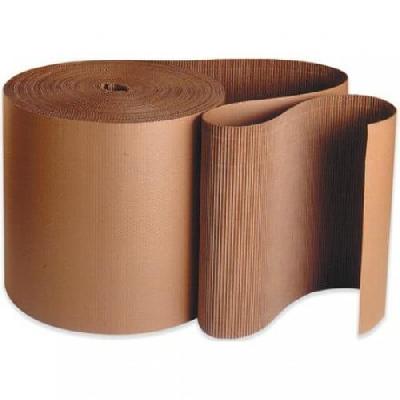
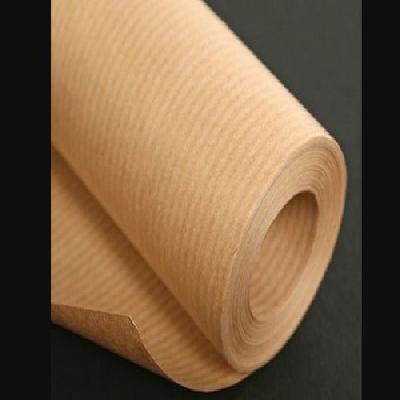
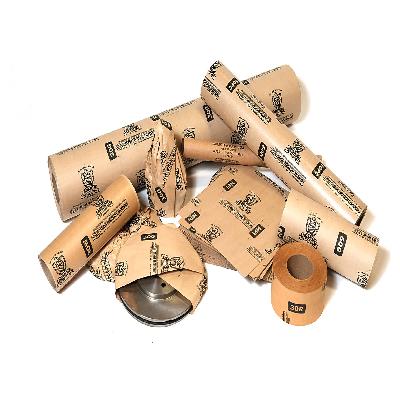
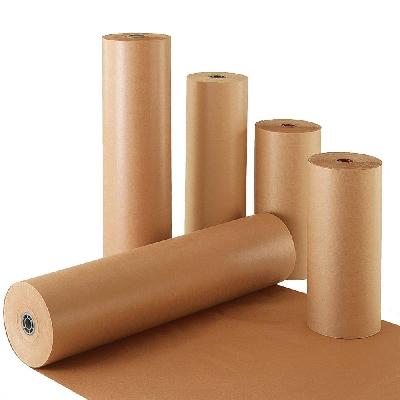
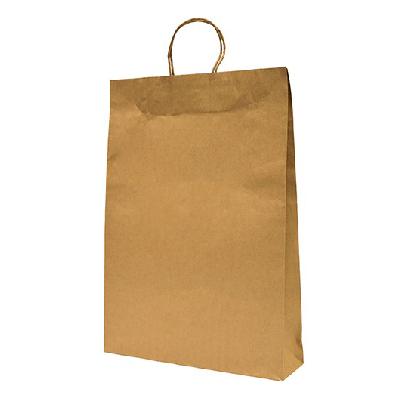
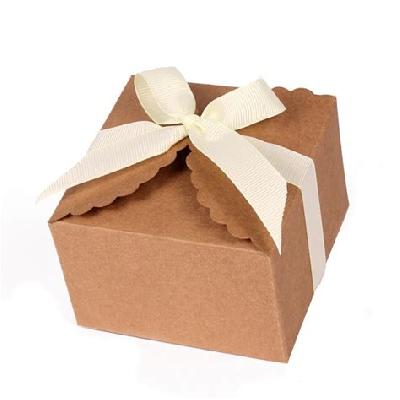
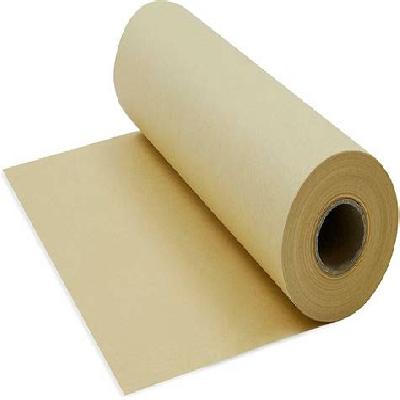
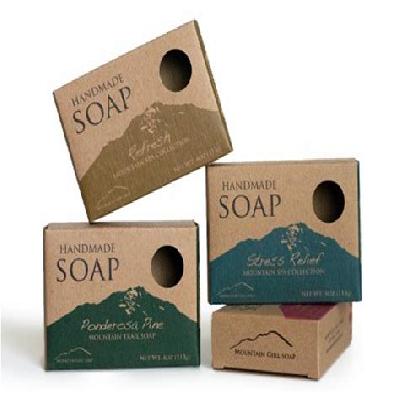
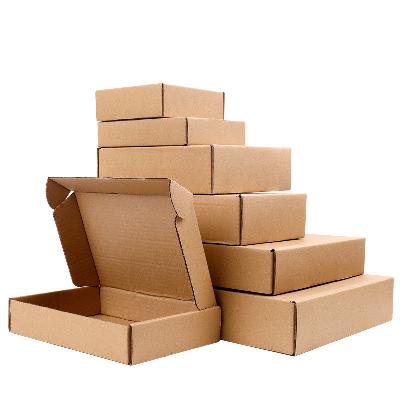
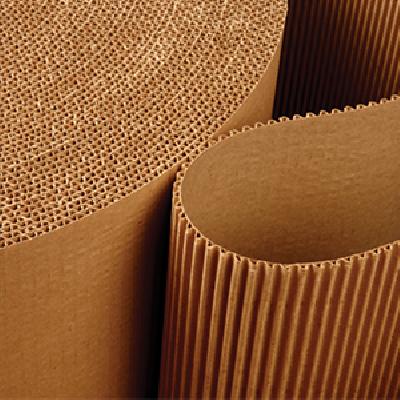
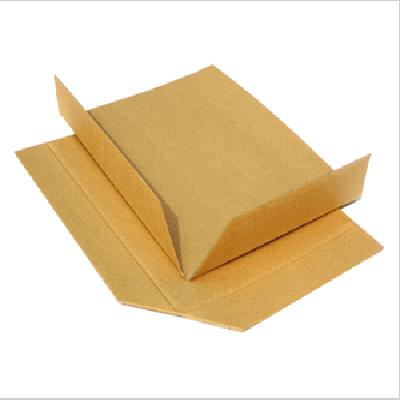
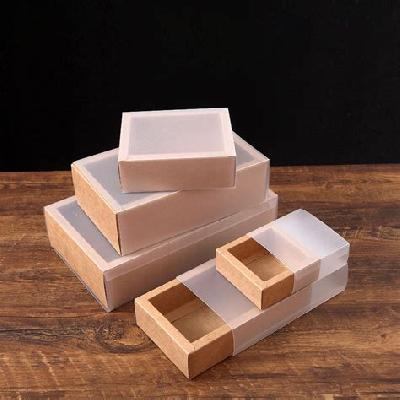
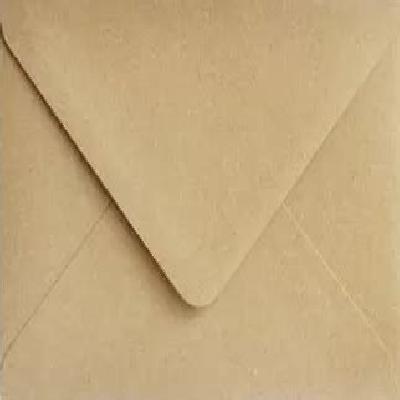
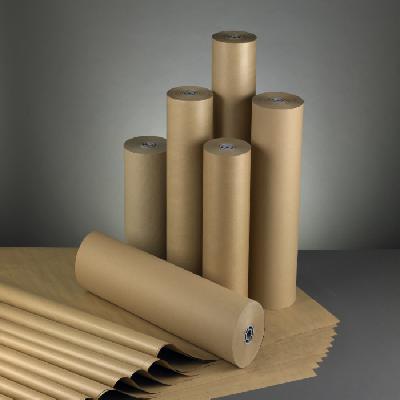
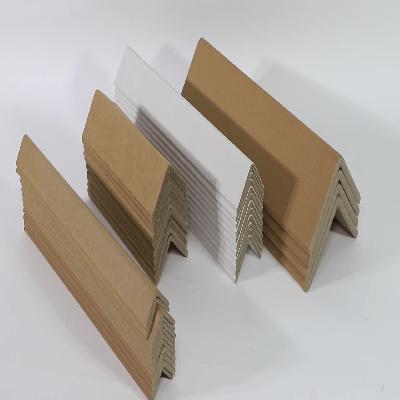
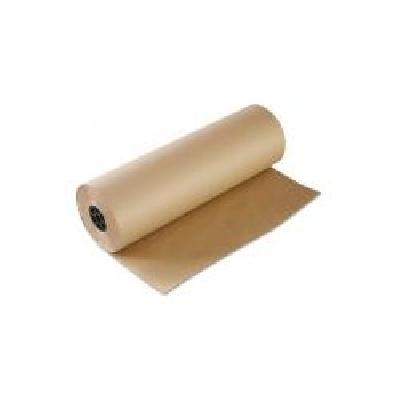
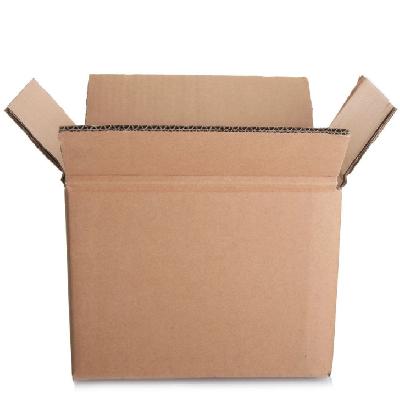
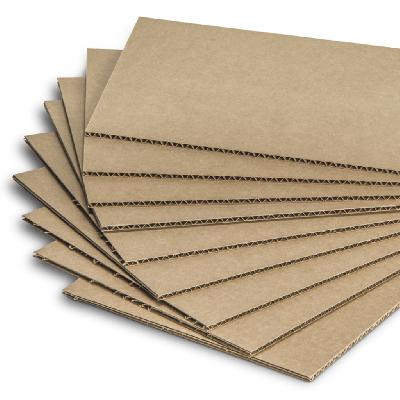
Kraft paper is a type of paper that is made from wood pulp and is known for its strength, durability, and resistance to water. It is often used for packaging materials such as boxes, bags, and containers.

Where To Use Kraft Paper
Packaging materials for shipping and storage
Labels and stickers
Cartons and boxes
Bags and sacks
Art projects and craft supplies
Key Features Of Kraft Paper
Strong and durable
Water-resistant
Recyclable
Eco-friendly
Cost-effective
How To Use Kraft Paper
Use as packaging material for shipping and storage
Create labels and stickers using a printer or handwriting
Make cartons and boxes by folding and gluing the paper
Cut out shapes and designs to use in art projects
Use as a backing material for collages and mixed media art
How Kraft Paper Is Manufactured
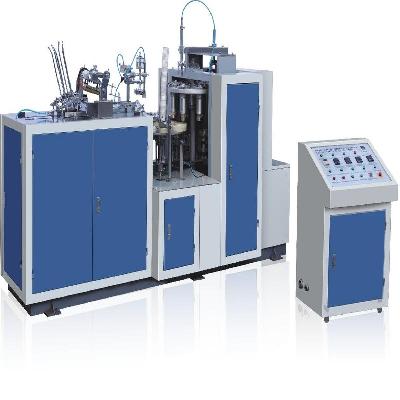
Kraft paper is made from wood pulp through a process called kraft pulping, which involves mixing the wood chips with sodium hydroxide and sodium sulfite to break down the lignin in the wood. The resulting pulp is then washed, bleached, and dried to create the final product.
Technical Specification Of Kraft Paper
Material Composition:
Wood pulp
Applications:
Packaging materials, labels and stickers
Surface Finish:
Smooth and even
Weight:
200-500 gsm
The technical specifications of kraft paper include its material composition, applications, surface finish, and weight. The material composition is primarily wood pulp, which provides the necessary strength and durability for packaging materials. The applications include packaging materials such as boxes, bags, and containers, as well as labels and stickers. The surface finish is smooth and even, making it suitable for printing and writing. The weight of kraft paper ranges from 200-500 gsm, depending on the intended use.
Description Of Kraft Paper
Kraft paper is a versatile and widely used material in various industries, including packaging, printing, and art. Its strength, durability, and resistance to water make it an ideal choice for shipping and storage materials. Additionally, its eco-friendly nature and recyclability make it a popular choice among environmentally conscious consumers.