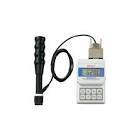
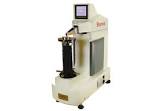
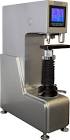
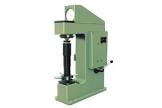
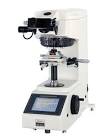
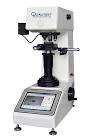
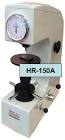
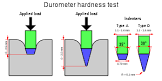
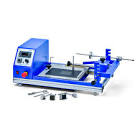
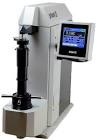
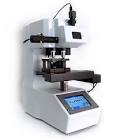
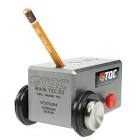
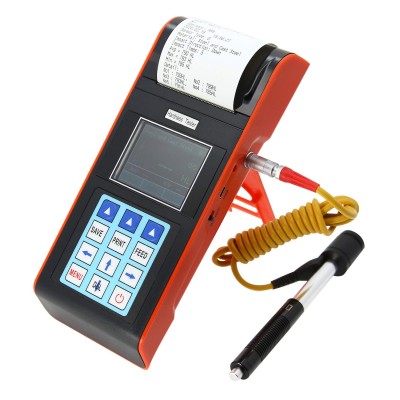
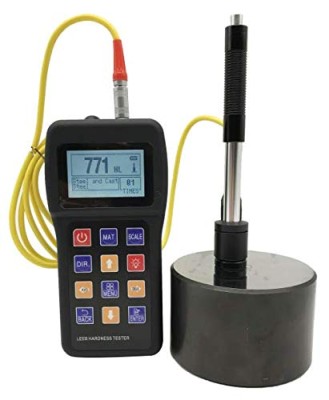
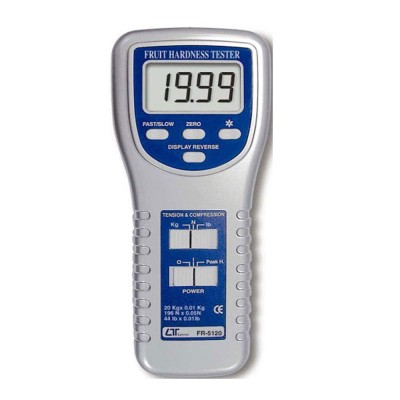
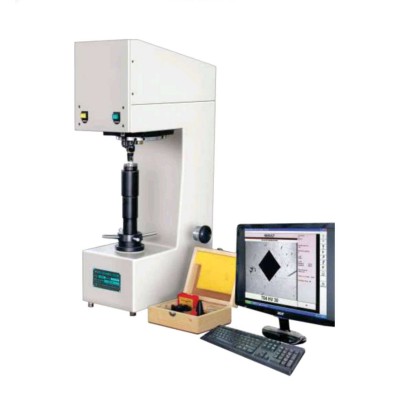
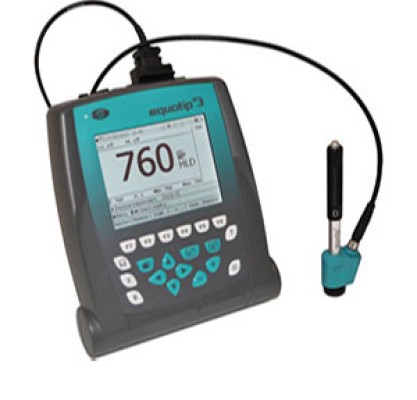
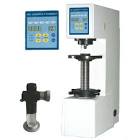
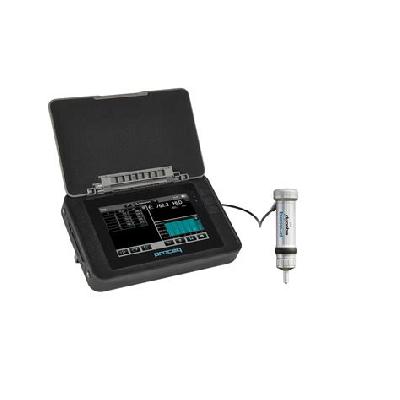
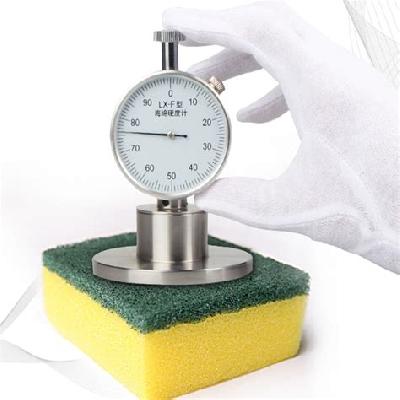
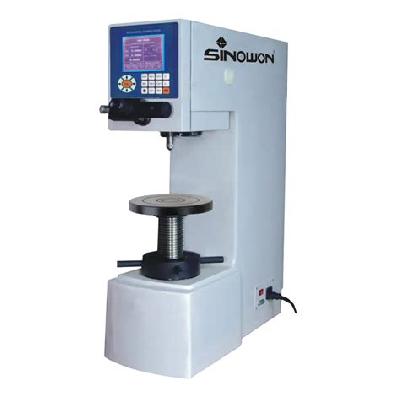
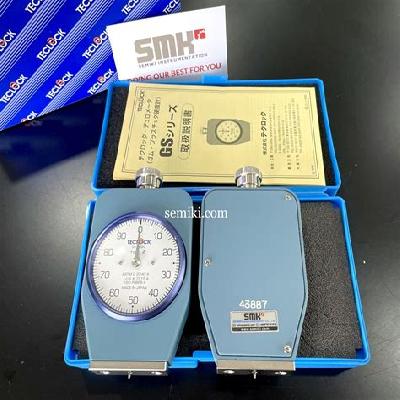
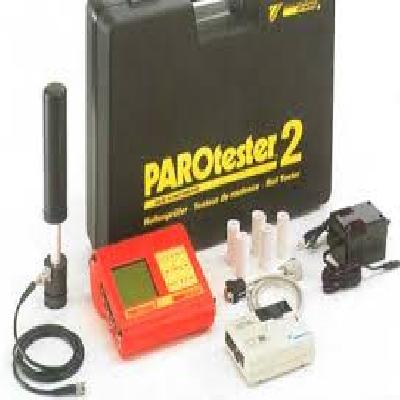
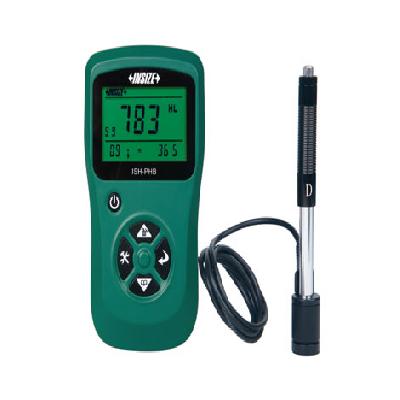
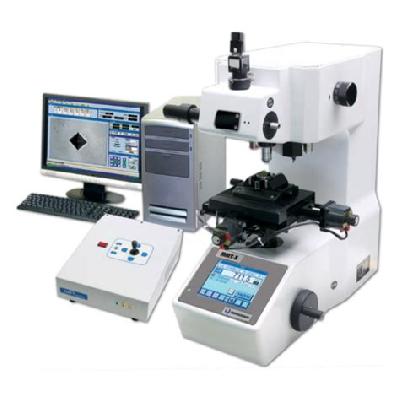
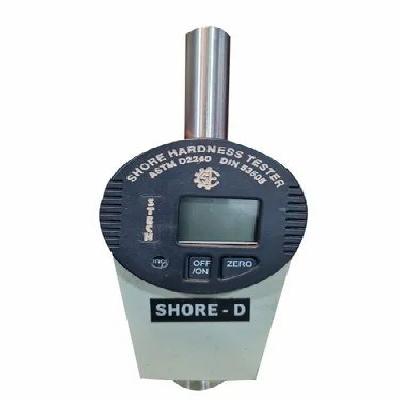
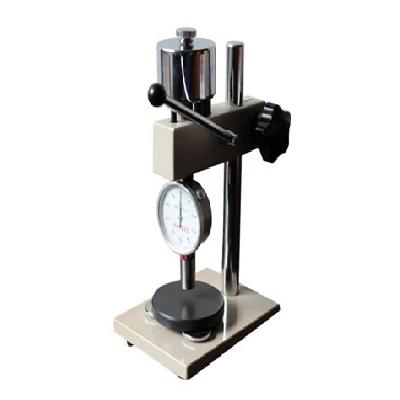
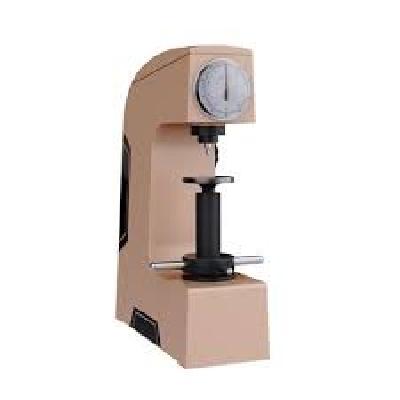
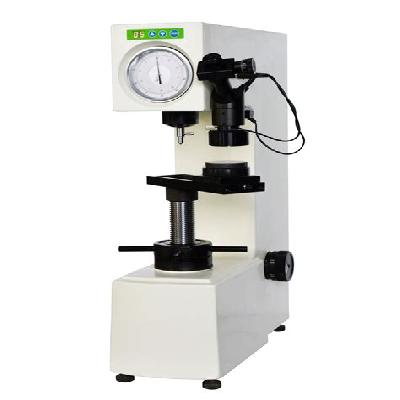
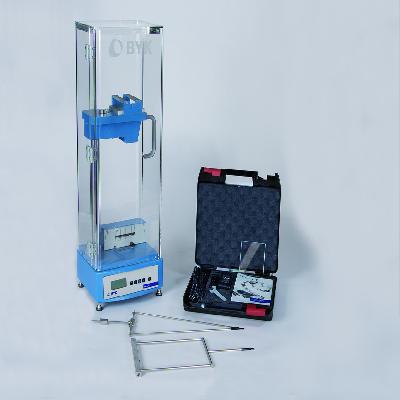
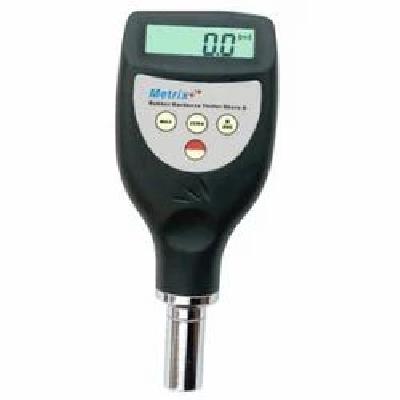
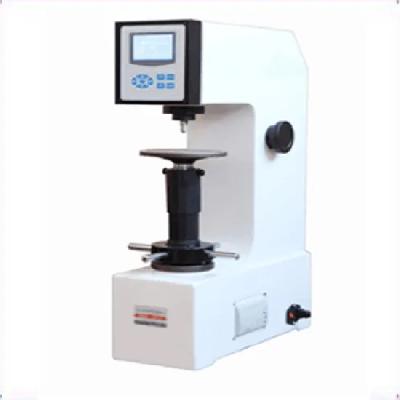
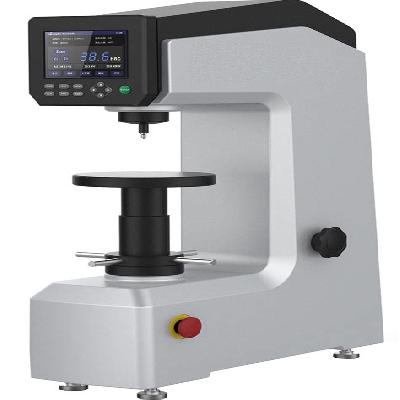
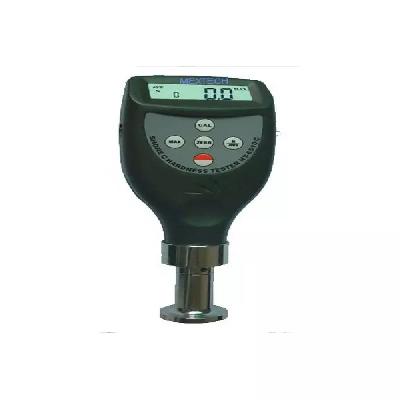
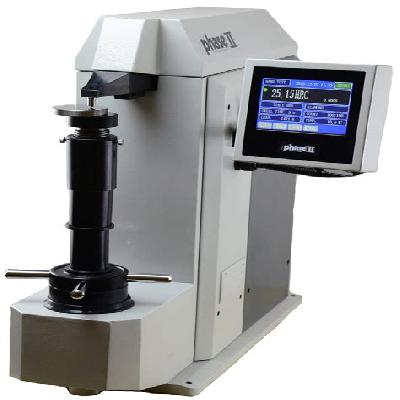
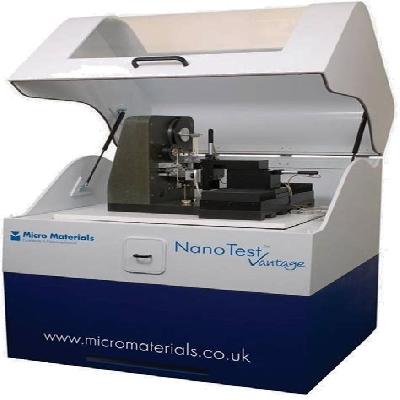
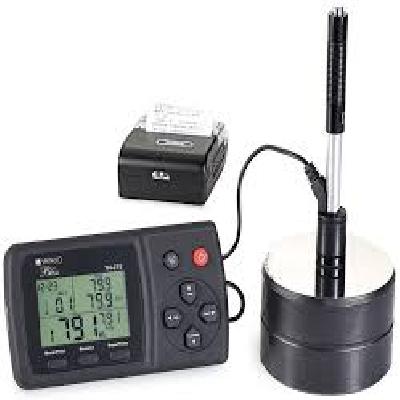
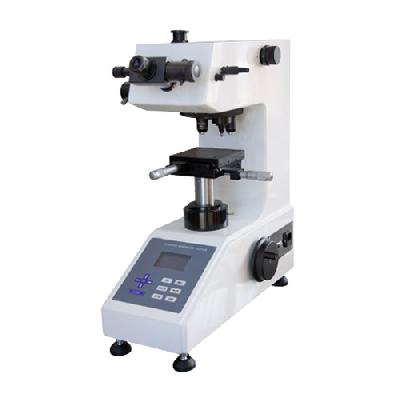
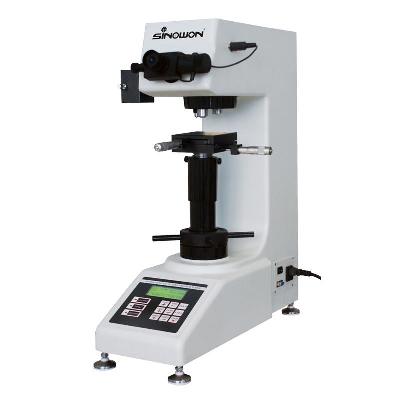
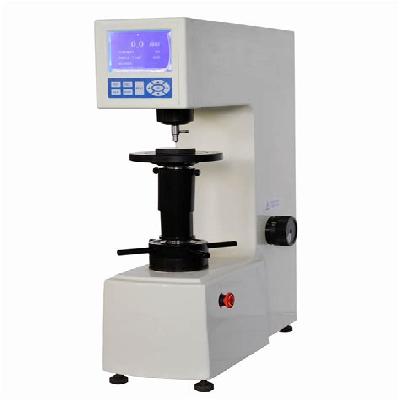
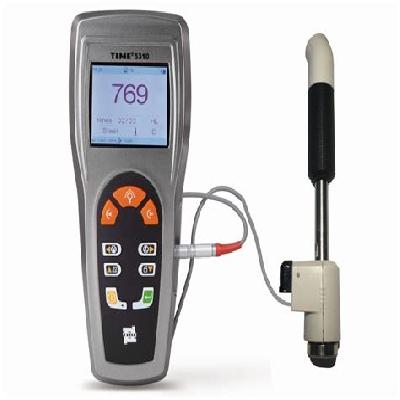
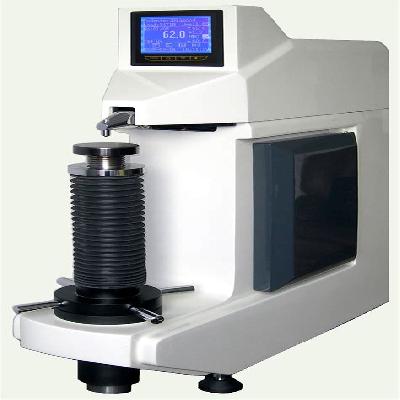
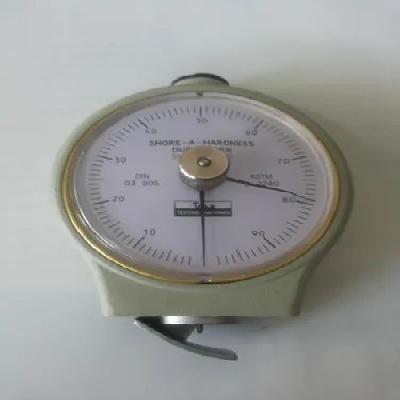
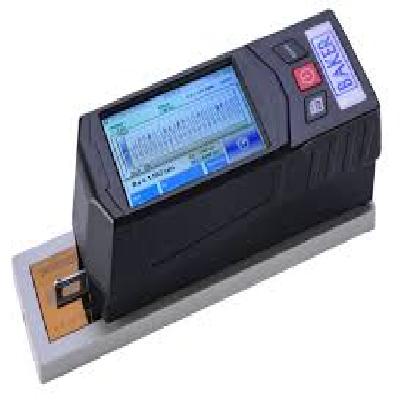
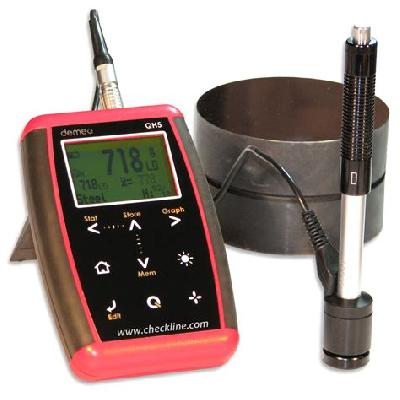
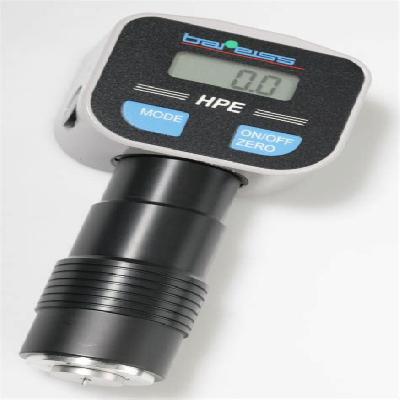
A hardness tester is a device used to measure the hardness of materials, which is a fundamental property that determines their resistance to deformation and wear. The test is widely used in various industries such as metalworking, aerospace, automotive, and manufacturing to ensure the quality of products and components.
Where To Use Hardness Tester
Quality control labs in manufacturing facilities
Research and development centers for material testing
Metallurgical laboratories for analyzing metal properties
Aerospace industry for testing aircraft and spacecraft materials
Automotive industry for evaluating car parts and components
Metalworking shops for ensuring tool sharpness and wear resistance
Key Features Of Hardness Tester
High accuracy and precision in hardness measurements
Easy to use and operate, with minimal training required
Compact design for laboratory or field use
Rugged construction for durability and resistance to wear
Fast testing speed for efficient quality control
Long battery life or power supply options
Detailed test results and data analysis capabilities
How To Use Hardness Tester
Select the correct test method and calibration for the material being tested
Place the test specimen on the hardness tester's anvil or platform
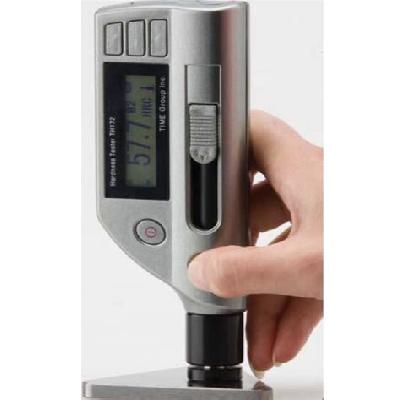
Align the testing stylus or indentor with the specimen surface
Apply the specified load or pressure to the test specimen
Measure the indentation depth or diameter, depending on the test method
Record and analyze the test results for hardness values
How Hardness Tester Is Manufactured
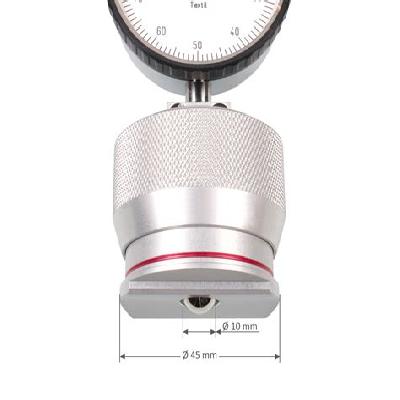
Hardness testers are manufactured using high-quality materials and advanced engineering techniques to ensure precision, durability, and accuracy. The manufacturing process involves designing the test instrument's mechanical components, such as the anvil, platform, and stylus or indentor, as well as electronic components like sensors, amplifiers, and microcontrollers.
Technical Specification Of Hardness Tester
Voltage:
120V AC or 230V AC
Frequency:
50Hz or 60Hz
Hardness Scales:
Rockwell, Brinell, Vickers, Shore
Measurement Range:
20-1000 HV (Vickers Hardness)
Testing Speed:
5-10 seconds per test
Weight:
5kg to 20kg, depending on model
Display Type:
LCD or LED display with backlighting
The technical specifications of the hardness tester are designed to meet the requirements of various industries and applications. The instrument's voltage and frequency options cater to different power supplies, while the hardness scales selection ensures compatibility with diverse testing needs. The measurement range, testing speed, weight, and display type further enhance the versatility and convenience of the device.
Description Of Hardness Tester
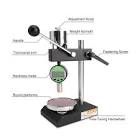
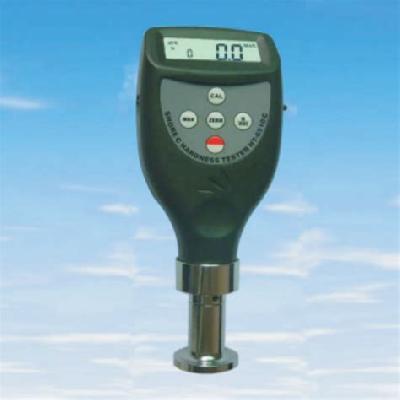
A hardness tester is a precise instrument designed to measure the hardness of materials, which is a critical property for evaluating their quality and performance. The device typically consists of an anvil or platform, a stylus or indentor, and electronic components for measuring and displaying test results. Hardness testers are widely used in various industries, including metalworking, aerospace, automotive, and manufacturing, to ensure the quality of products and components.
Related Products & Synonyms Of Hardness Tester
Some related products to the hardness tester include: