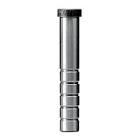
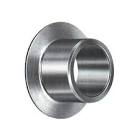
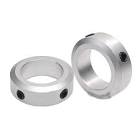
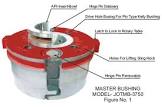
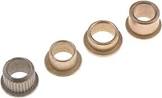
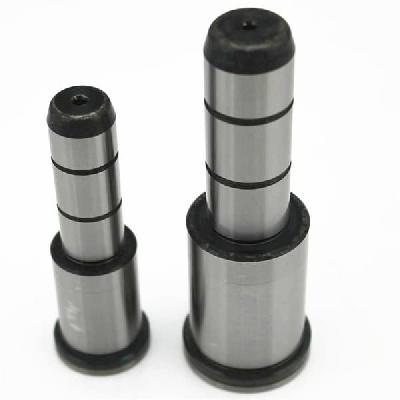
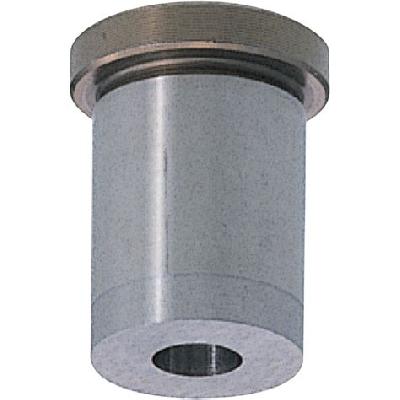
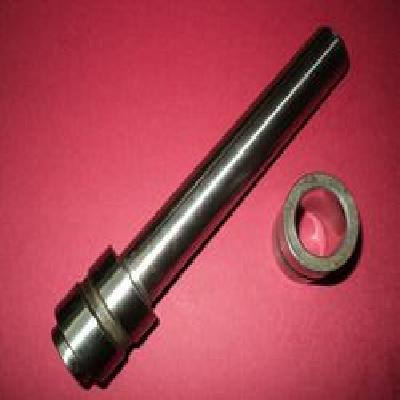
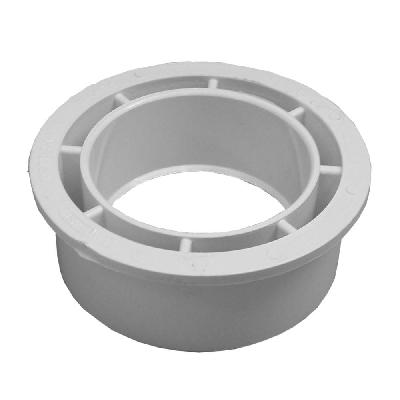
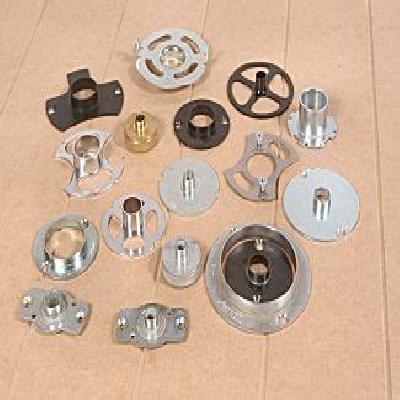
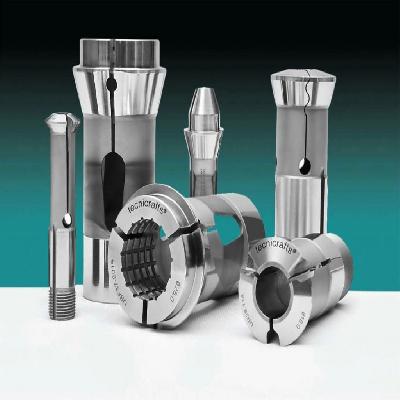
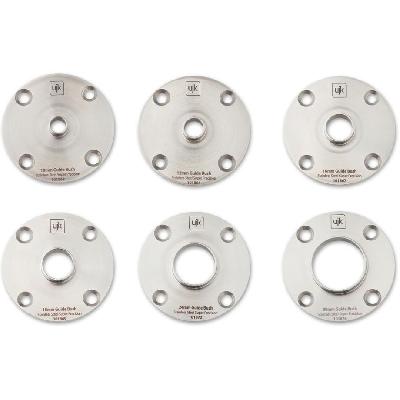
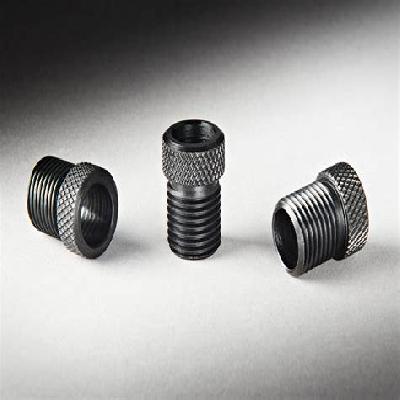
A guide bushing is a mechanical component designed to facilitate smooth movement and reduce friction between two parts or surfaces.
Where To Use Guide Bushing
Guide bushings are commonly used in various industrial applications, including machinery, equipment, and vehicles, to reduce wear and tear on moving parts.
Key Features Of Guide Bushing
Reduces friction and wear on moving parts
Improves equipment lifespan and performance
Minimizes downtime and maintenance costs
Easy to install and replace
How To Use Guide Bushing
Identify the moving parts that require lubrication and installation of guide bushings
Select the appropriate type and size of guide bushing for the specific application
Install the guide bushing in accordance with manufacturer's instructions and industry standards
Maintain and replace the guide bushing as recommended by the manufacturer or when necessary
How Guide Bushing Is Manufactured
Guide bushings are typically manufactured from high-quality materials, such as metals or polymers, using advanced machinery and techniques to ensure precise dimensions and optimal performance.
Technical Specification Of Guide Bushing
Inner Diameter:
50-150mm
Outer Diameter:
60-180mm
Length:
100-300mm
Load Capacity:
5-20kN
The technical specifications of guide bushings are crucial in determining their suitability for specific applications. The inner and outer diameters, length, and load capacity should be carefully selected to match the requirements of the equipment or machinery.
Description Of Guide Bushing
Guide bushings are essential components in various industrial applications, providing smooth movement and reducing friction between parts.
Related Products & Synonyms Of Guide Bushing
Guide bushings are often used in conjunction with other components, such as guide pins, flanged bushings, and ring bushes. Some synonyms for guide bushings include needle bushes, rotary bushings, hinge bushing, guide pillar, punch guide bushing, and pillar bush.