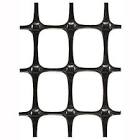
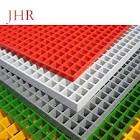
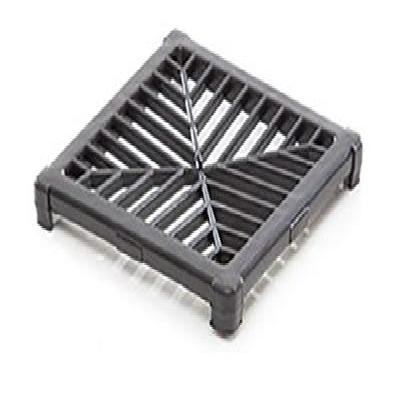
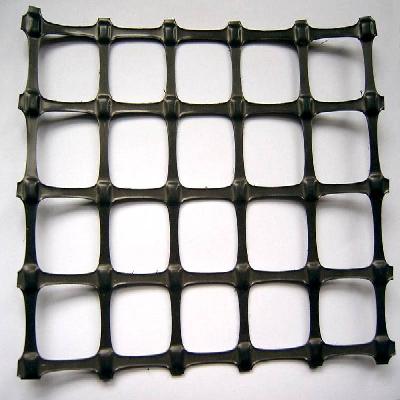
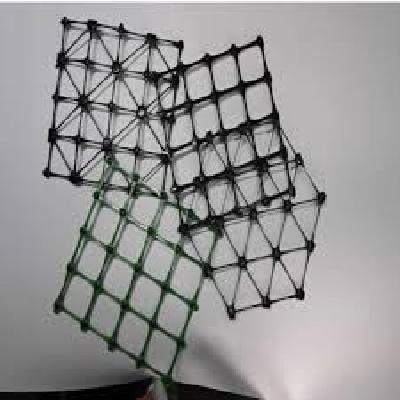
Geogrids are a type of geosynthetic material used in construction projects to provide stability and reinforcement to the soil. They are made from polypropylene or polyester fibers that are woven into a grid-like pattern, creating a strong and durable fabric.
Where To Use Geogrids
Foundation construction for buildings and bridges
Roadway stabilization and reinforcement
Retaining wall design and construction
Soil erosion control
Key Features Of Geogrids
High tensile strength and durability
Resistant to chemical and environmental damage
Easy to install and transport
Precise control over soil behavior
How To Use Geogrids
Excavate the soil to the desired depth and width
Lay down a layer of geotextile fabric
Install the geogrid layers, ensuring proper spacing and alignment
Compact the soil and geogrids together using rollers or plates
How Geogrids Is Manufactured
The manufacturing process involves extruding polypropylene or polyester fibers into a grid-like pattern, followed by cutting and weaving the fabric to create individual geogrid rolls.
Technical Specification Of Geogrids
Material:
Polypropylene
Thickness:
10-20 mm
Usage:
Roadway stabilization, retaining wall design
Packaging:
Rolls of 20-50 meters in length
The technical specifications listed above are critical to the performance and durability of geogrids. Material selection, thickness, usage, and packaging all play important roles in ensuring that geogrids meet the needs of various construction projects.
Description Of Geogrids
Geogrids are a versatile and reliable construction material, offering numerous benefits in terms of stability, durability, and ease of installation.
Related Products & Synonyms Of Geogrids
Some related products to geogrids include:
Biaxial Geogrid: Offers higher tensile strength and stability
Plastic Grid: A versatile construction material for various applications
PP Grid: Provides excellent resistance to chemicals and environmental damage
Plastic Geogrid: Suitable for a wide range of construction projects