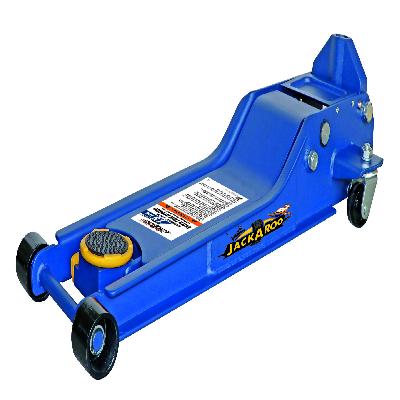
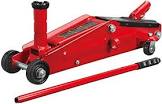
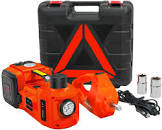
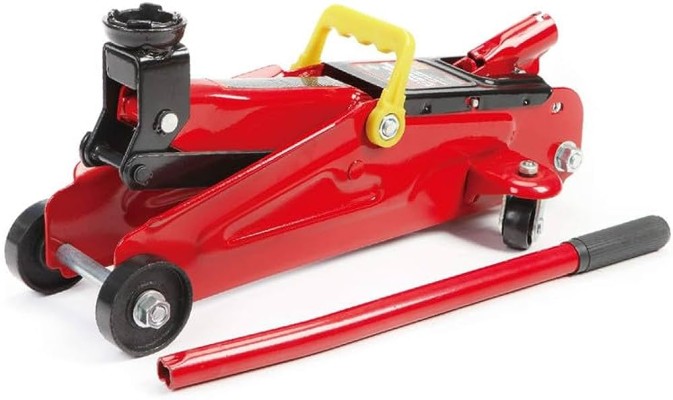
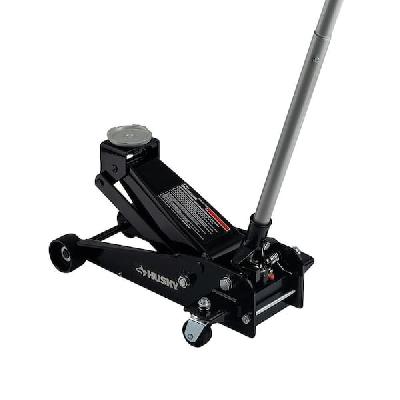
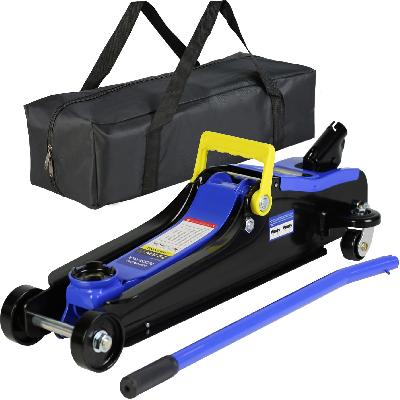
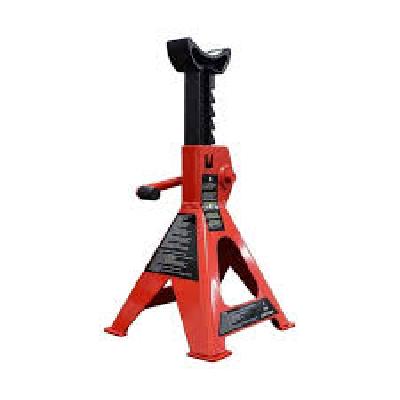
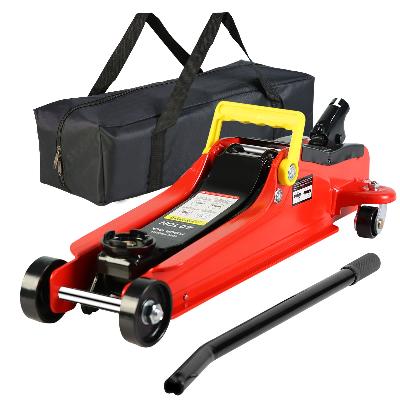
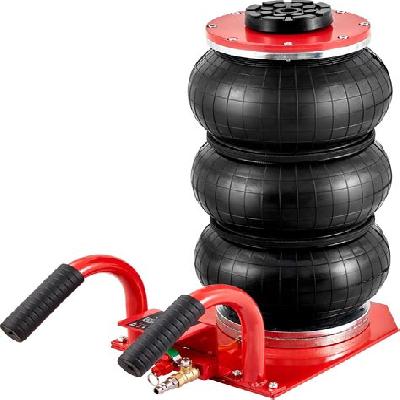
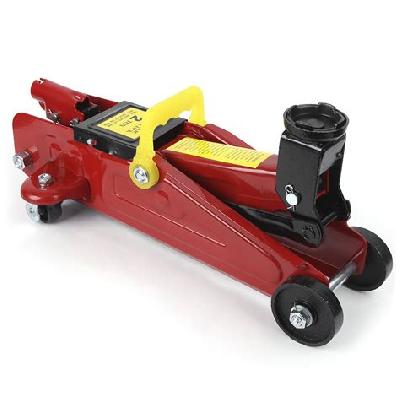
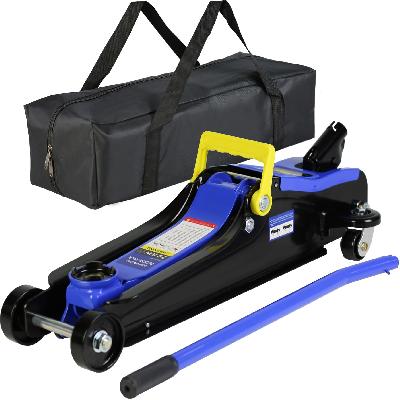
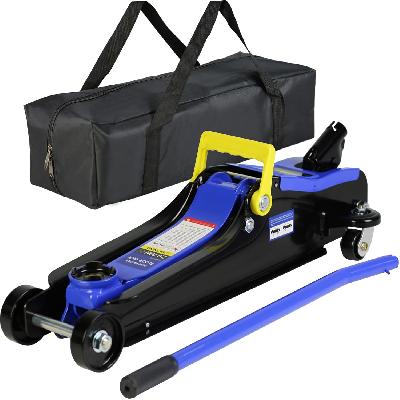
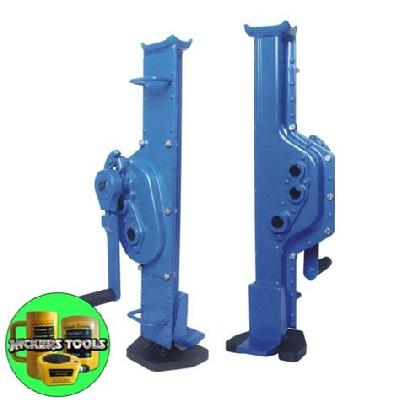
A floor jack is a type of hydraulic or pneumatic lifting device used to lift vehicles for maintenance, repair, and storage. It consists of a base, a column, and a lifting ram that provides the lifting force.
Where To Use Floor Jacks
Floor jacks are commonly used in garages, workshops, and other industrial settings where vehicles need to be lifted for maintenance or repair purposes. They are also useful for home mechanics and DIY enthusiasts.
Key Features Of Floor Jacks
Hydraulic or pneumatic lifting mechanism
Sturdy base for stability
Ergonomic handle for easy operation
Adjustable lifting height
Compact design for storage
How To Use Floor Jacks
Position the jack under the vehicle's lifting point
Pump the handle to raise the ram and lift the vehicle
Adjust the height as needed using the extension or retraction mechanism
Safely lower the vehicle once maintenance is complete
How Floor Jacks Is Manufactured
Floor jacks are manufactured using high-quality materials, such as steel and aluminum, which provide strength and durability. The manufacturing process involves various stages, including design, prototyping, tooling, and assembly.
Technical Specification Of Floor Jacks
Load Capacity:
3-10 tons
Lifting Height:
20-40 inches
Weight:
30-50 pounds
Handle Length:
18-24 inches
The technical specifications of floor jacks are critical in determining their suitability for a particular application. The load capacity, lifting height, weight, and handle length are key factors to consider when selecting a floor jack.
Description Of Floor Jacks
Floor jacks are designed to provide a safe and efficient way to lift vehicles for maintenance or repair purposes. They offer a high level of precision and control, making them an essential tool in any garage or workshop.
Related Products & Synonyms Of Floor Jacks
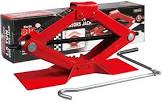
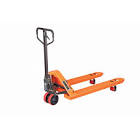
Floor jacks are often used in conjunction with other lifting devices, such as trolley jacks, scissor jacks, and pallet jacks. These devices offer similar functionality but may have different design characteristics or operating principles.
Trolley Jacks:
Trolley jacks are designed for heavy-duty applications and offer a high load capacity.
Lifting Jacks:
Lifting jacks are used in various industries, including automotive, aerospace, and construction.
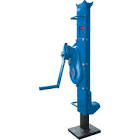
Mechanical Jacks:
Mechanical jacks use a screw or lever mechanism to lift loads.
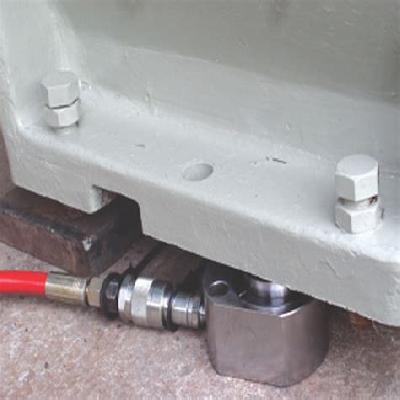
Hydraulic Floor Jack:
Hydraulic floor jacks use a hydraulic fluid to provide lifting force.
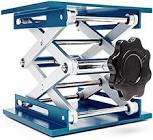
Scissor Jacks:
Scissor jacks are used for smaller vehicles and offer a compact design.