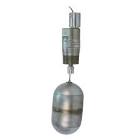
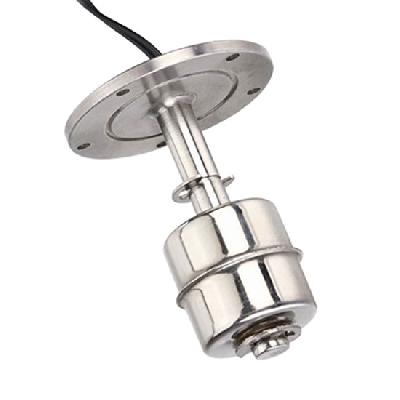
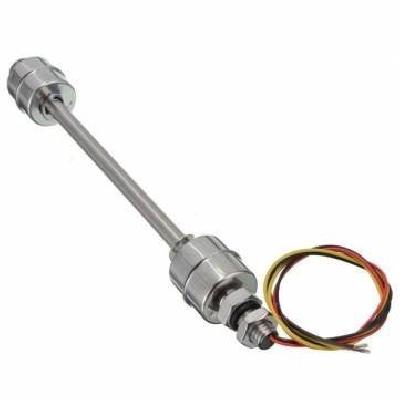
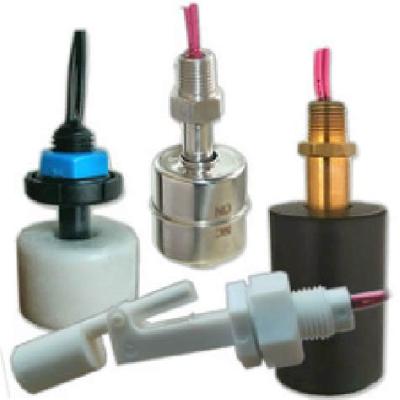
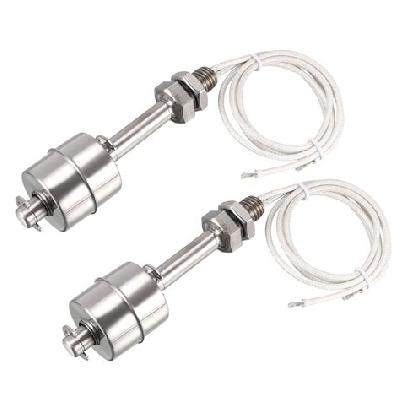
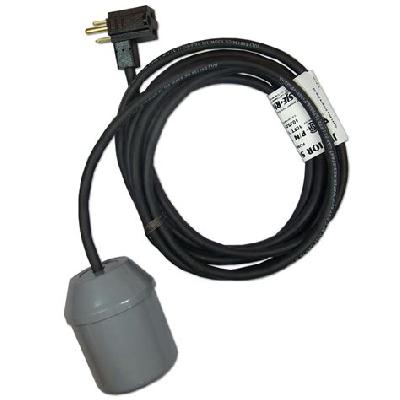
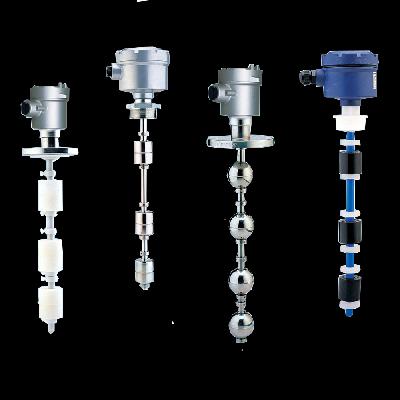
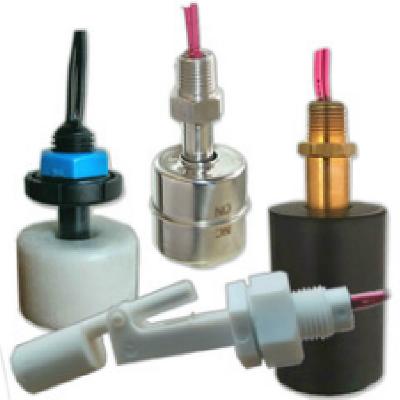
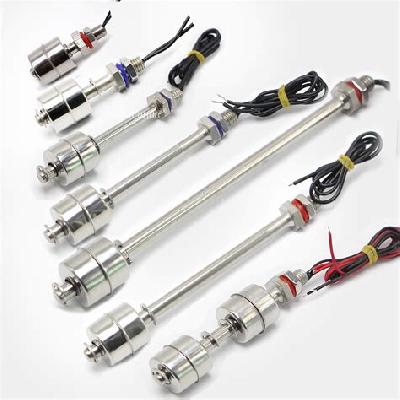
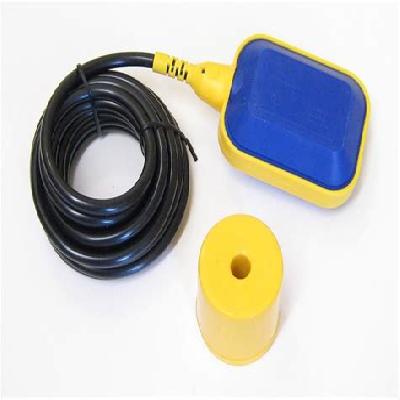
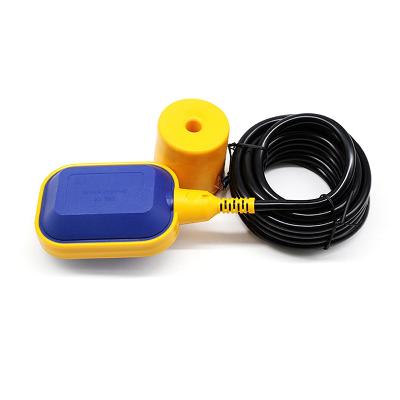
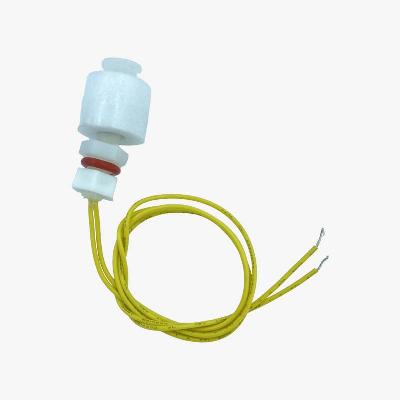
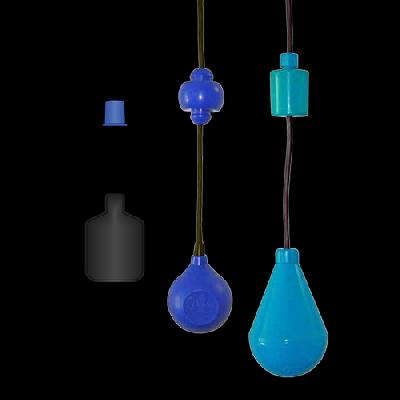
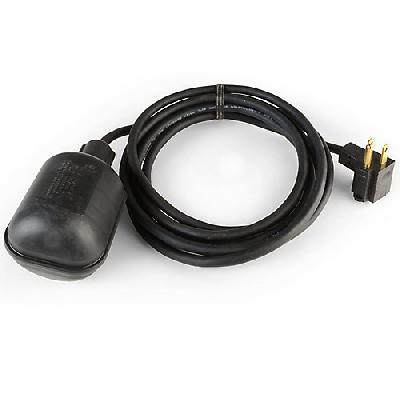
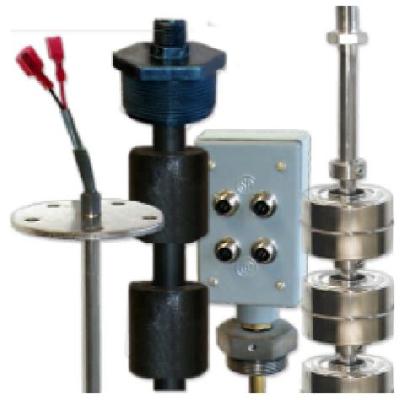
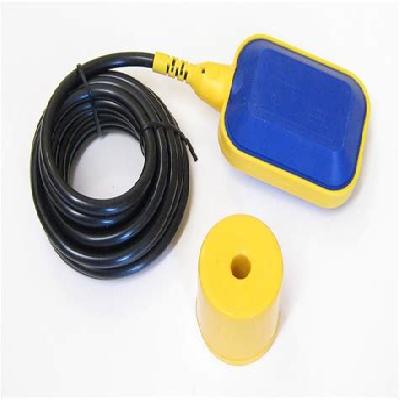
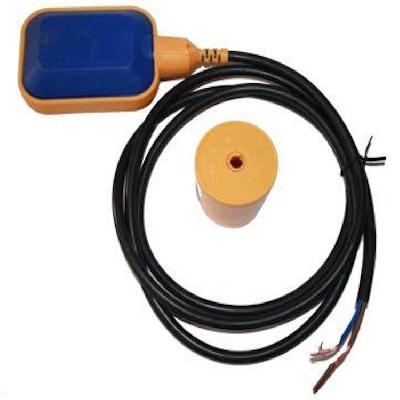
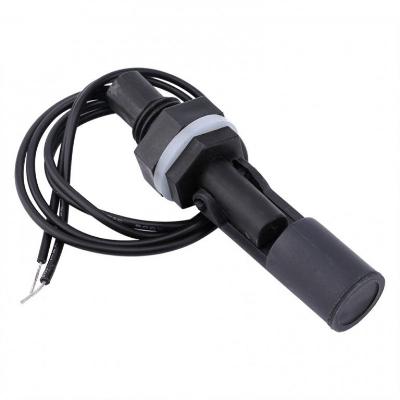
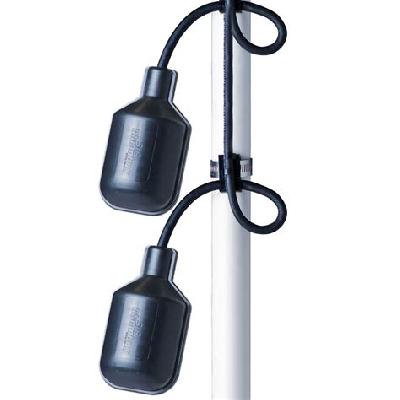
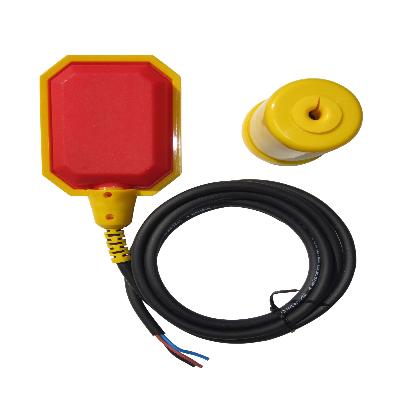
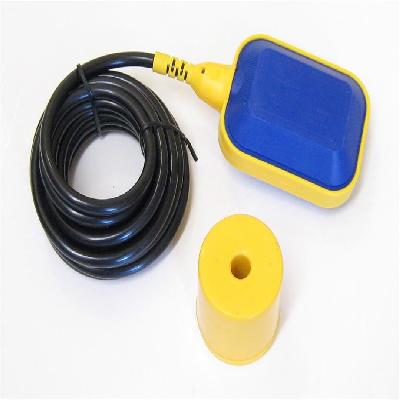
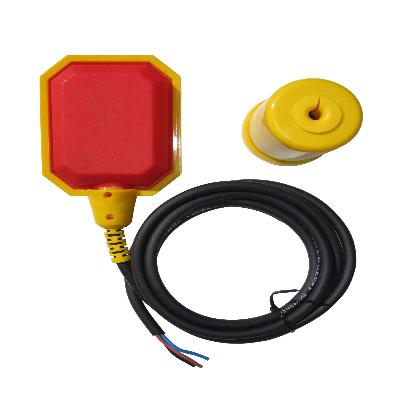
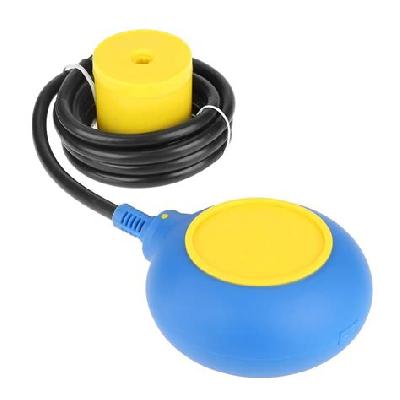
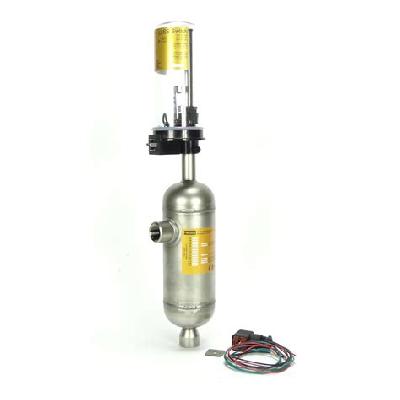
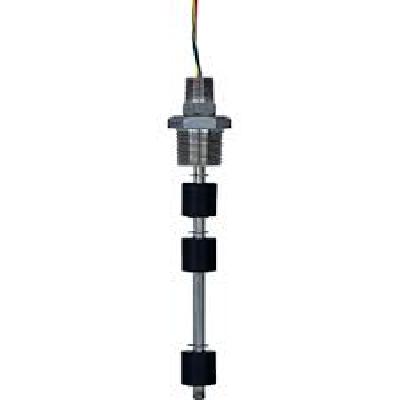
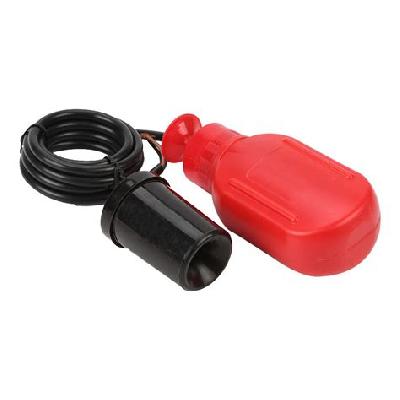
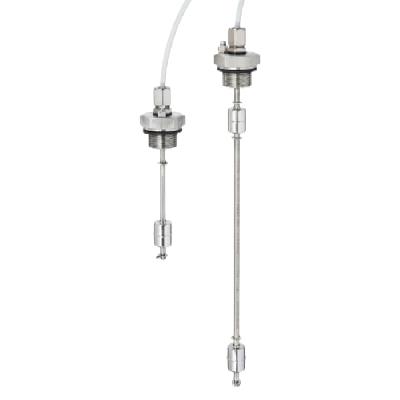
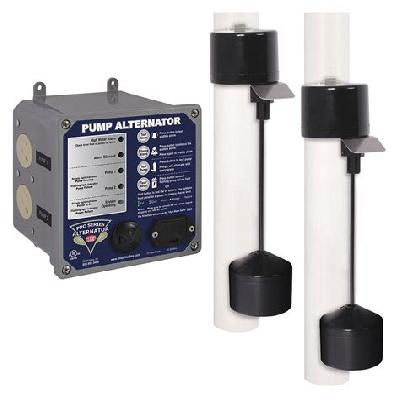
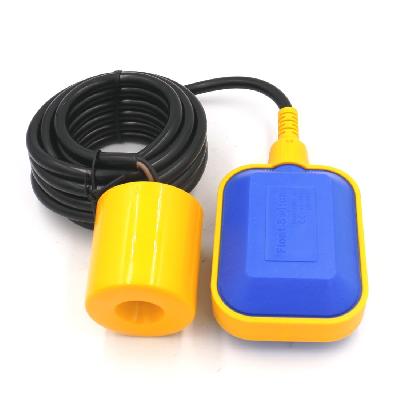
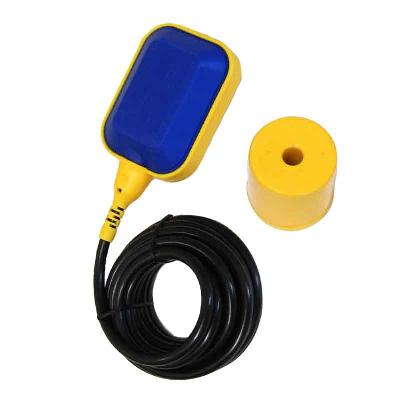
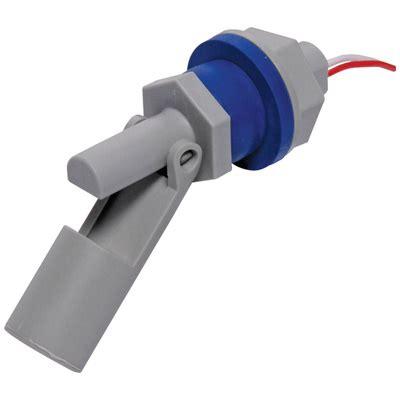
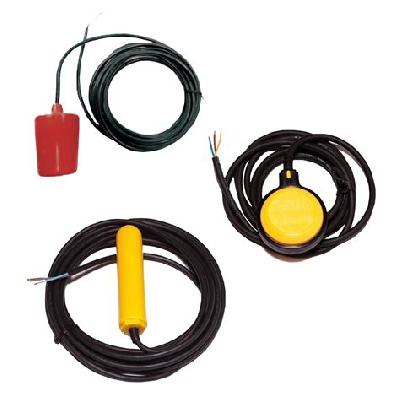
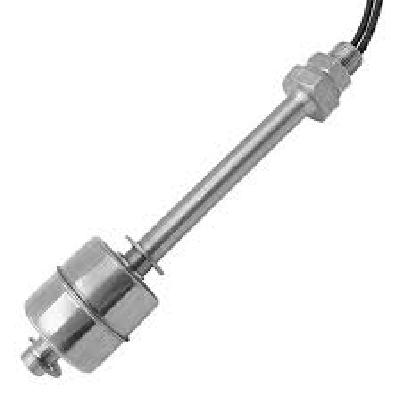
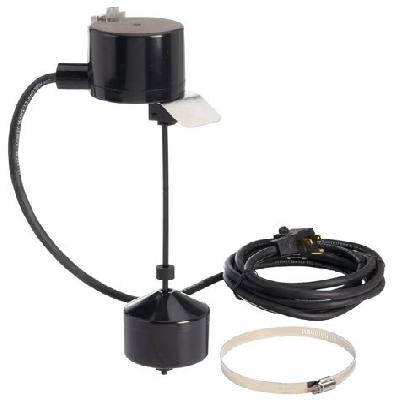
Float switches are a type of level switch used to detect the presence or absence of liquid in a tank or container. They consist of a float that rises and falls with the level of the liquid, triggering a switch when it reaches a certain height.
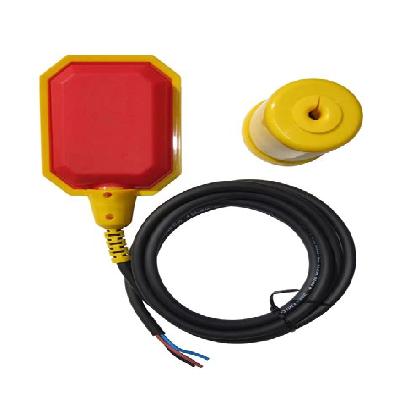
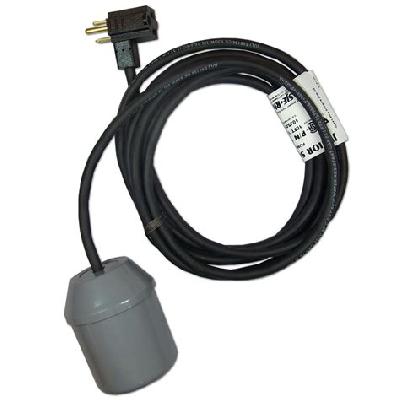
Where To Use Float Switches
Float switches are commonly used in various applications, including:
Water treatment plants
Chemical processing facilities
Oil and gas refineries
Agricultural applications
Key Features Of Float Switches
High accuracy and reliability
Durable construction for harsh environments
Suitable for a wide range of liquids and temperatures
Easy to install and maintain
How To Use Float Switches
Mount the float switch at a suitable height in the tank or container
Adjust the switch to the desired setting for liquid level detection
Ensure proper wiring and connection of the switch to control equipment
How Float Switches Is Manufactured
The manufacturing process for float switches involves several steps, including design and prototyping, material selection and procurement, machining and assembly, testing and quality control.
Technical Specification Of Float Switches
Switch Type:
Float switch
Operating Voltage:
24V DC
Maximum Current:
10A
Temperature Range:
-20°C to 60°C
Cable Length:
10m
The technical specification of float switches is designed to provide accurate and reliable level detection in various applications. The switch type, operating voltage, maximum current, temperature range, and cable length are all important factors to consider when selecting a float switch for a particular use case.
Description Of Float Switches
Float switches are a type of level switch used to detect the presence or absence of liquid in a tank or container. They consist of a float that rises and falls with the level of the liquid, triggering a switch when it reaches a certain height.