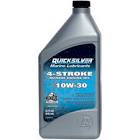
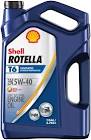
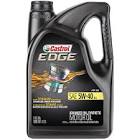
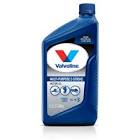
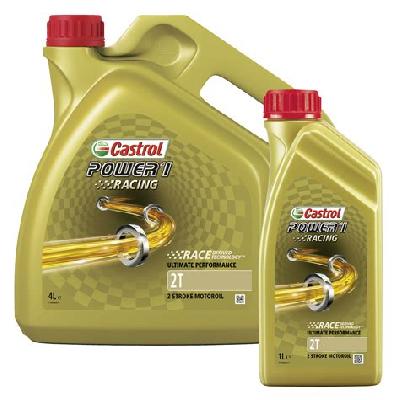
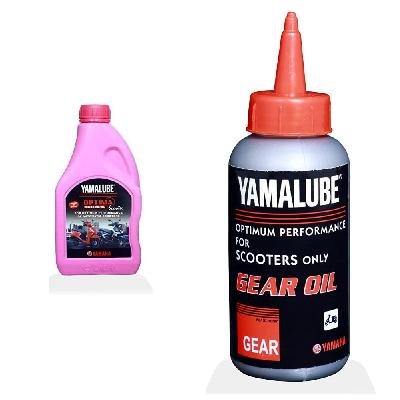
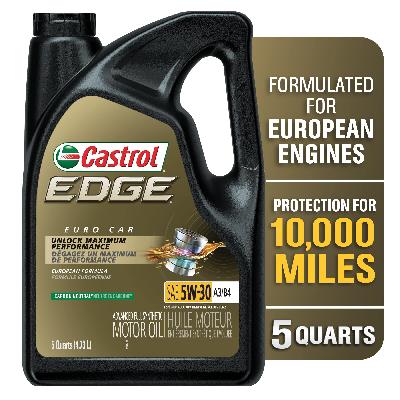
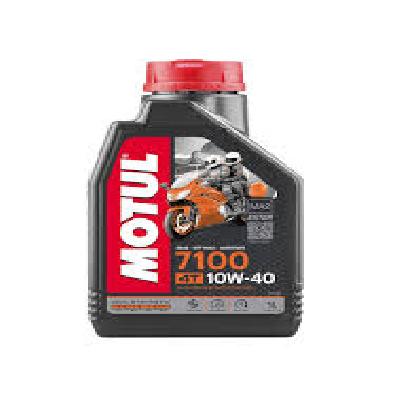
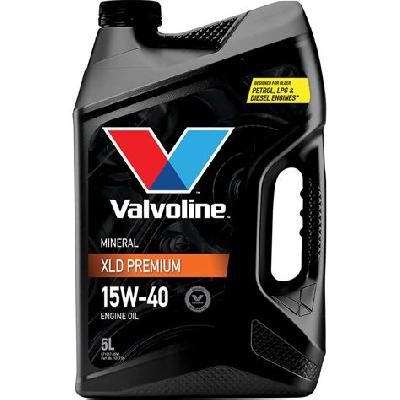
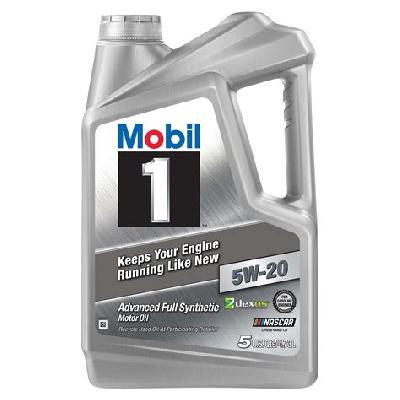
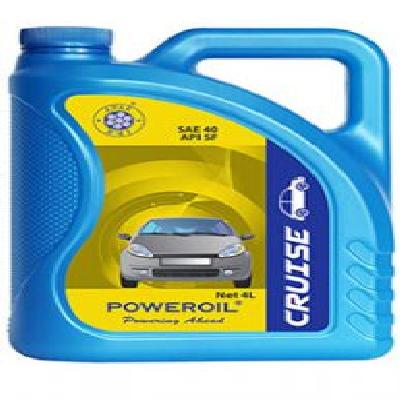
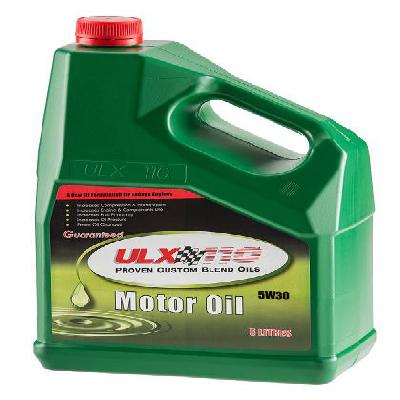
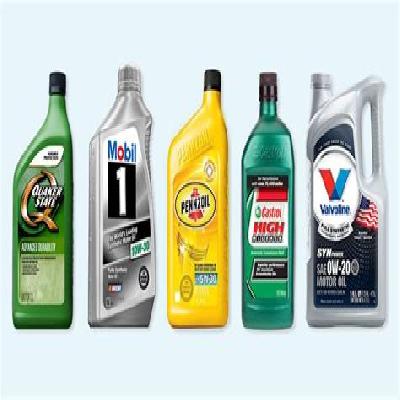
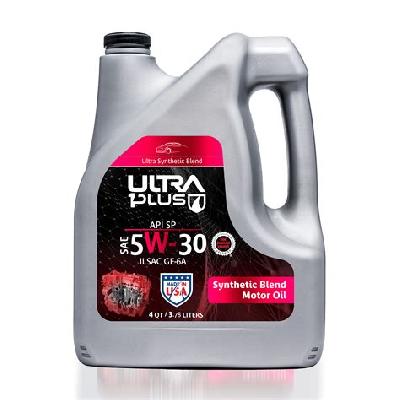
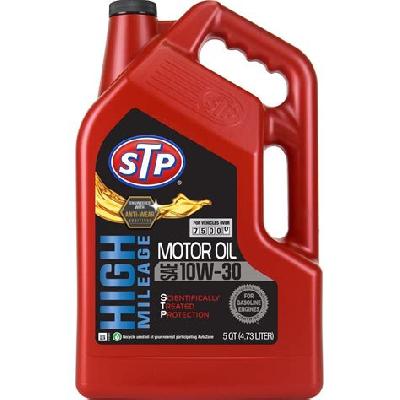
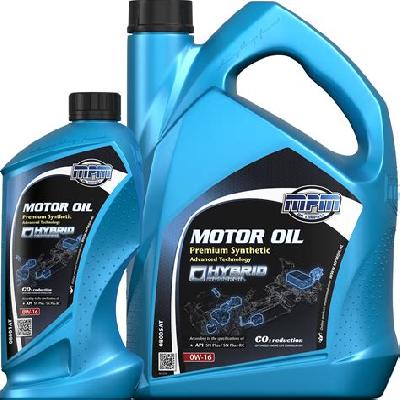
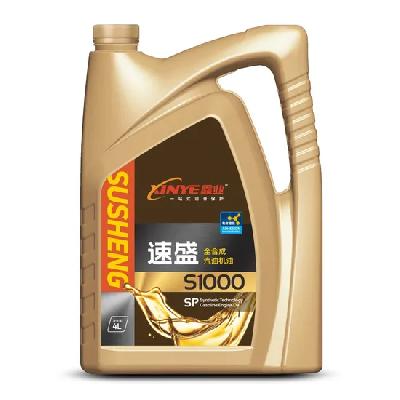
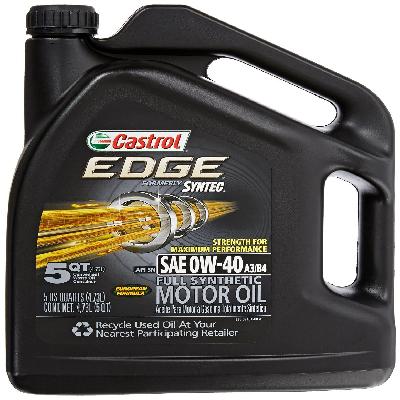
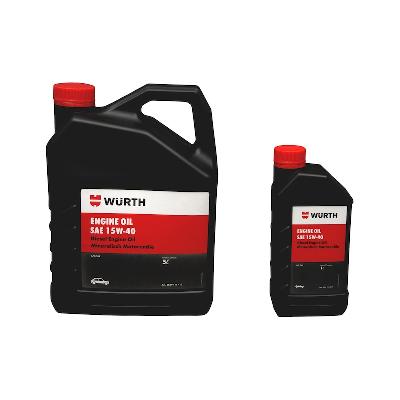
Engine oil is a lubricating fluid used in internal combustion engines to reduce friction between moving parts and prevent wear and tear. It is typically made from a mixture of base oils and additives, and comes in various viscosities depending on the application.
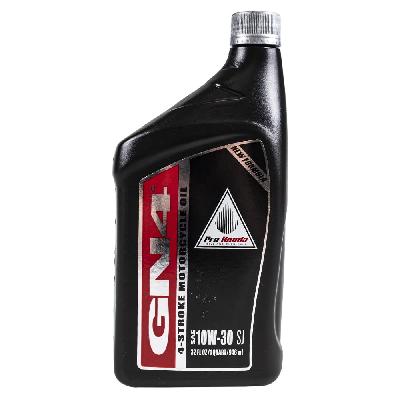
Where To Use Engine Oil
Engine oil is used in a variety of applications, including passenger vehicles, commercial vehicles, motorcycles, and industrial equipment.
Key Features Of Engine Oil
Reduced friction and wear on engine components
Improved fuel efficiency and performance
Protection against corrosion and rust
Long-lasting and durable
How To Use Engine Oil
Check the owner's manual for specific recommendations on oil type and capacity
Change the oil regularly to maintain performance and extend engine life
Use a high-quality oil filter to prevent contamination
Monitor the oil level and top off as needed
How Engine Oil Is Manufactured
The manufacturing process for engine oil involves refining base oils from crude petroleum, blending them with additives, and testing the final product for quality and performance.
Technical Specification Of Engine Oil
Base Oil
Group I or Group II base oil
Viscosity
10W-40 or 5W-30
Packaging
1L or 5L containers
Shelf Life
2 years from date of manufacture
The technical specifications for engine oil are designed to ensure that the product meets the required standards for performance and durability. The base oil is typically a Group I or Group II oil, which provides excellent lubrication and wear protection. The viscosity of the oil is also critical, as it affects the engine's performance and fuel efficiency. In this case, the recommended viscosities are 10W-40 and 5W-30. The packaging for the oil comes in 1L or 5L containers, making it easy to store and dispense. Finally, the shelf life of the oil is 2 years from the date of manufacture, ensuring that it remains effective and safe to use throughout its service life.
Description Of Engine Oil
Engine oil is a clear, amber-colored liquid with a characteristic sweet or nutty odor. It has a thick, viscous consistency that makes it suitable for lubricating the moving parts of internal combustion engines.
Related Products & Synonyms Of Engine Oil
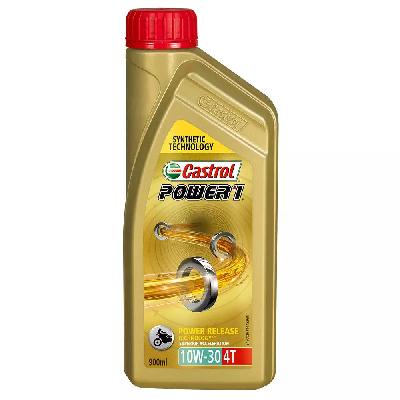
Four Stroke Engine Oil: Designed for use in four-stroke engines, this oil provides excellent lubrication and wear protection.
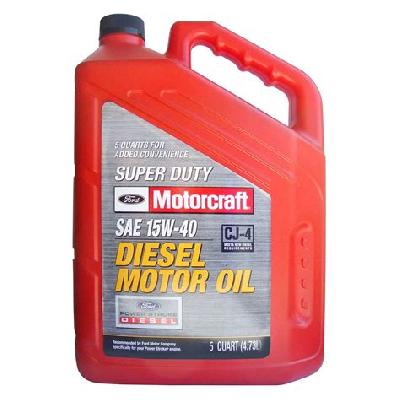
Diesel Engine Oil: Specifically formulated for use in diesel engines, this oil offers improved fuel efficiency and performance.
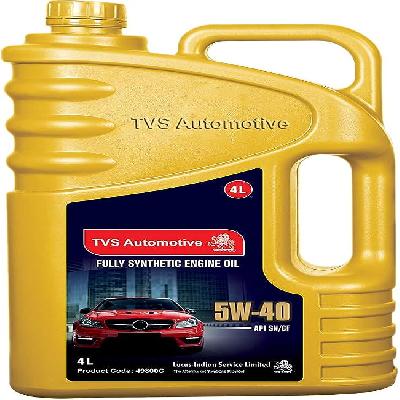
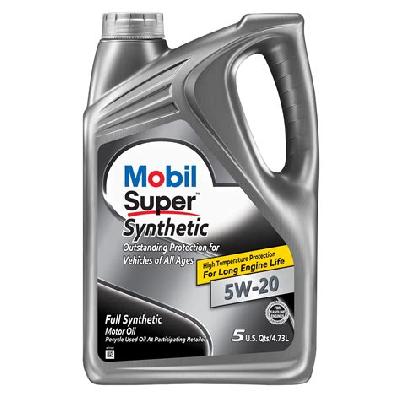
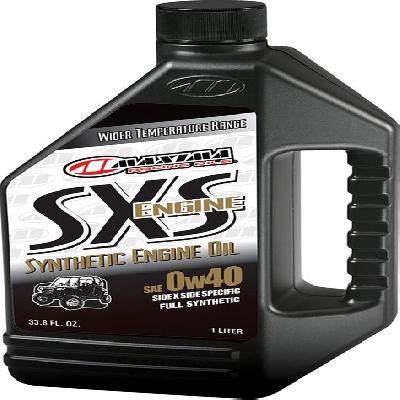
Synthetic Engine Oil: A high-performance oil that provides excellent lubrication and wear protection in extreme temperatures.
Two Stroke Engine Oil: Designed for use in two-stroke engines, this oil provides excellent lubrication and wear protection.
Used Engine Oil: Recycled engine oil that has been filtered and re-refined to meet industry standards.
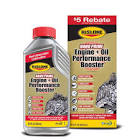
Engine Oil Additive: A product that is added to engine oil to enhance its performance and protect the engine from wear and tear.
Crankcase Oil: A specialized oil used in crankcases to lubricate moving parts and prevent wear.
Boron Nitride Aerosol Spray: A spray used to clean and protect metal surfaces from corrosion and wear.
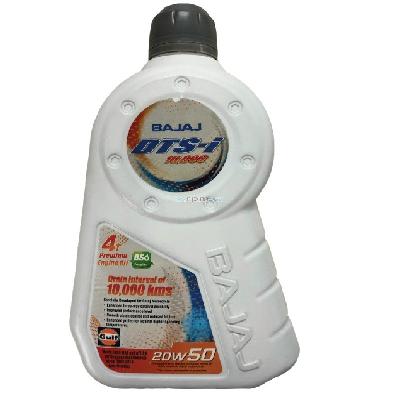
Bike Engine Oil: Designed for use in motorcycle engines, this oil provides excellent lubrication and wear protection.
Car Engine Oil: A general-purpose oil that is suitable for use in most passenger vehicle engines.
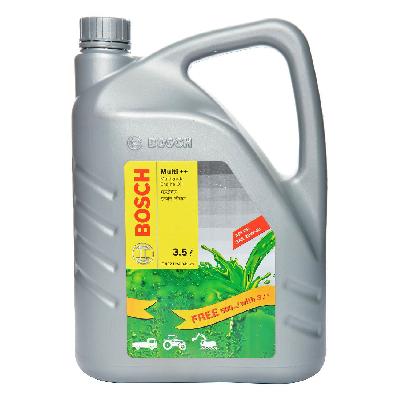
Multigrade Engine Oil: A versatile oil that can be used in a range of engine types and temperatures.
Commercial Vehicle Engine Oil: Designed for use in commercial vehicle engines, this oil provides excellent lubrication and wear protection.
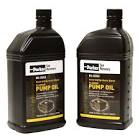
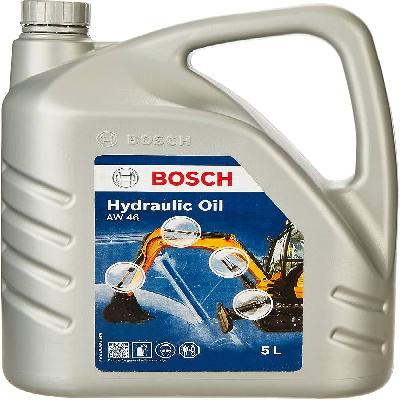
Hydraulic Oil: Used in hydraulic systems to provide smooth operation and prevent wear on moving parts.
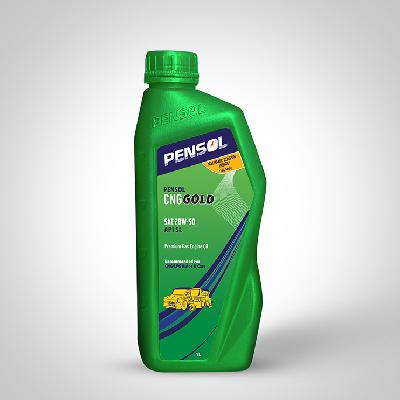
CNG Oil: A specialized oil used in compressed natural gas (CNG) vehicles to provide excellent lubrication and wear protection.
Engine Flush: A product that is added to engine oil to clean and protect the engine from wear and tear.