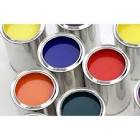
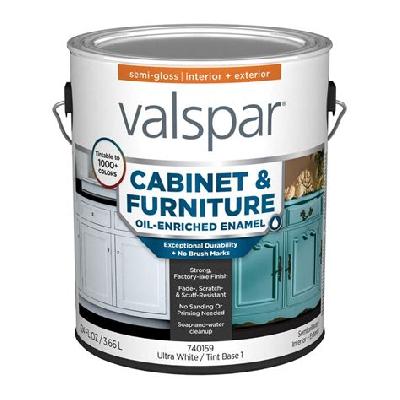
Enamel paints are a type of paint that is made from a combination of resin and solvent, which gives it a hard, glossy finish.
Where To Use Enamel Paints
Enamel paints can be used on a variety of surfaces, including metal, wood, and concrete.
Key Features Of Enamel Paints
Hard, glossy finish
Good durability and resistance to scratches and fading
Available in a range of colors
Easy to apply and clean up
Can be used on a variety of surfaces
How To Use Enamel Paints
Clean the surface to be painted
Apply a coat of primer if necessary
Apply one or more coats of enamel paint, following the manufacturer's instructions
How Enamel Paints Is Manufactured
Enamel paints are typically manufactured through a process of mixing resin and solvent, followed by adding colorants and other additives as needed.
Technical Specification Of Enamel Paints
Coverage Area (m²/l)
12-15
Viscosity (cP)
1000-1500
Shelf Life (months)
12-18
Finish
Glossy
The technical specification of enamel paints includes the coverage area, viscosity, shelf life, and finish. The coverage area refers to the amount of paint required to cover a given area, typically expressed in square meters per liter. Viscosity is a measure of the paint's thickness and flowability, with higher values indicating thicker, more viscous paints. Shelf life refers to the length of time that the paint remains usable after opening, while finish describes the appearance of the paint surface after application.
Description Of Enamel Paints
Enamel paints are a type of paint that is known for its hard, glossy finish and good durability.
Related Products & Synonyms Of Enamel Paints
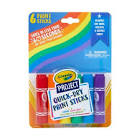
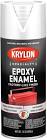
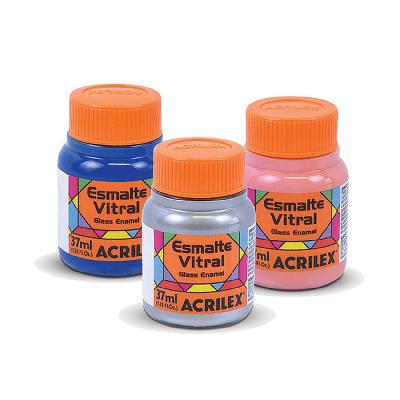
Some related products to enamel paints include synthetic enamel paint, dry paint, epoxy enamel, coal tar enamel, and glass enamel. These products all have similar properties and uses to enamel paints. Synonyms for enamel paint include enamel paint colors, enamel color, Behr enamel paints, Fixall enamel paints, and Anchor enamel paints.