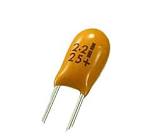
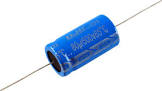
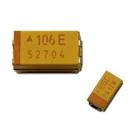
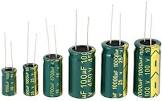
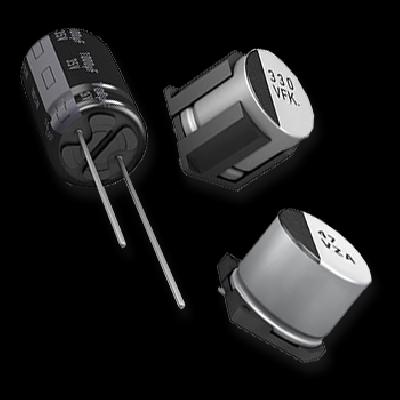
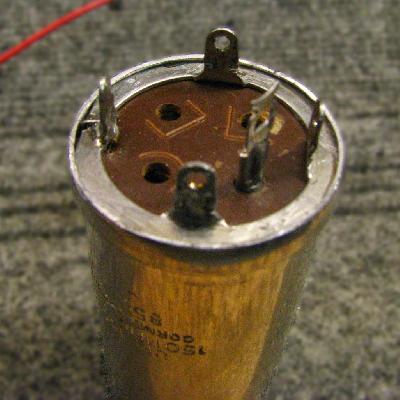
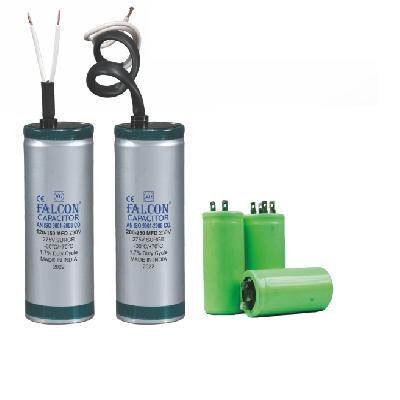
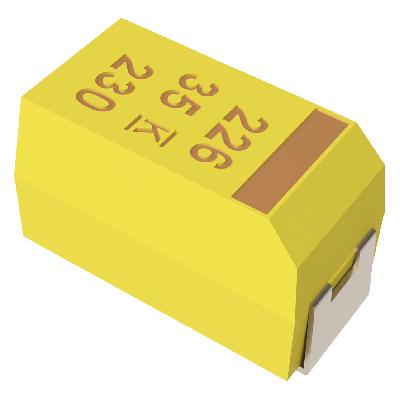
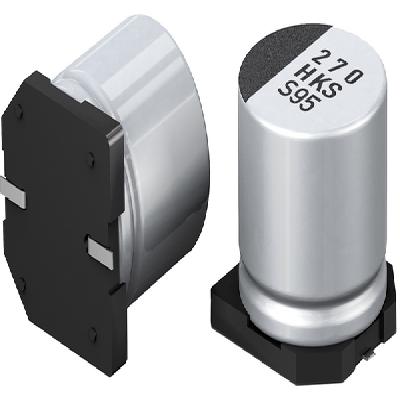
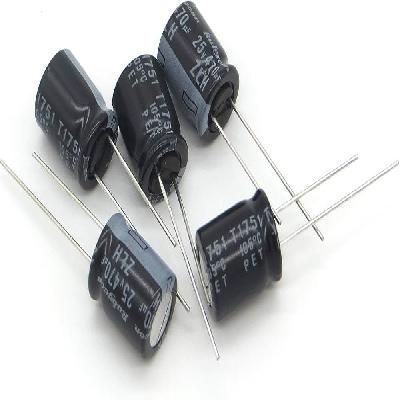
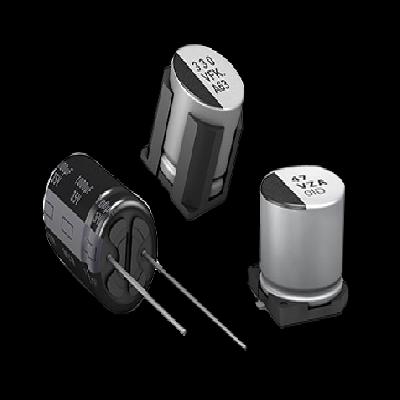
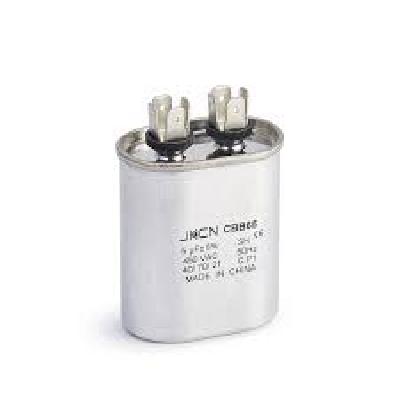
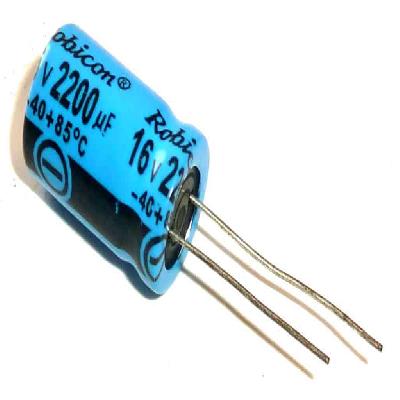
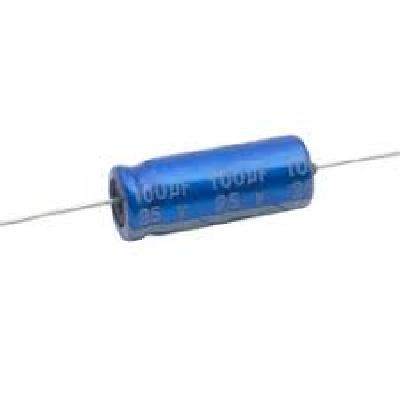
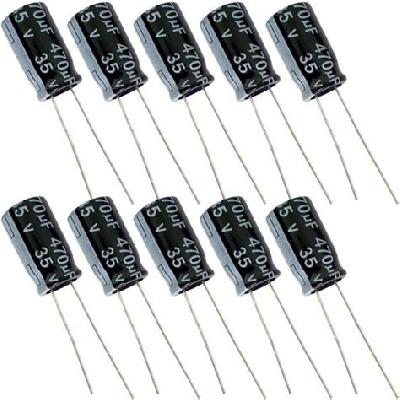
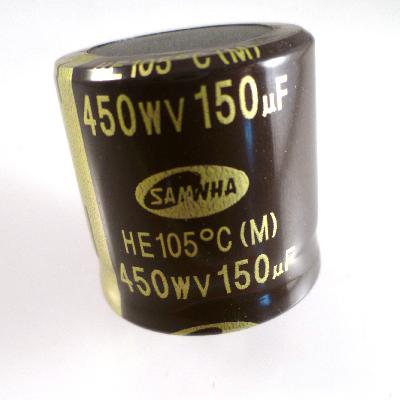
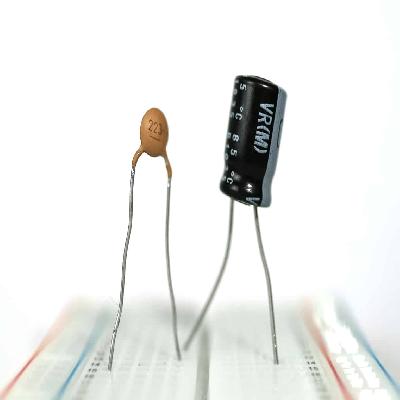
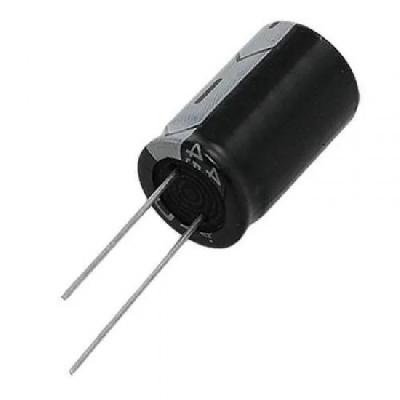
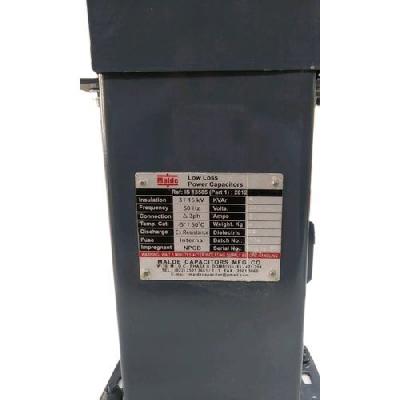
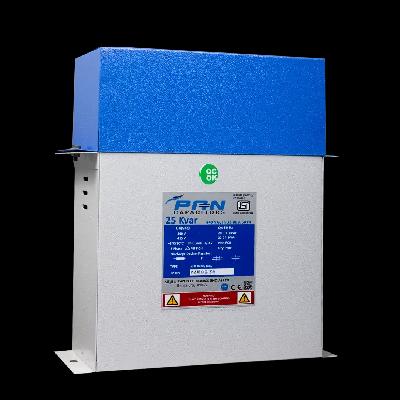
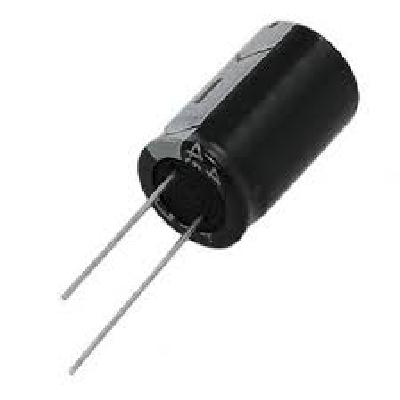
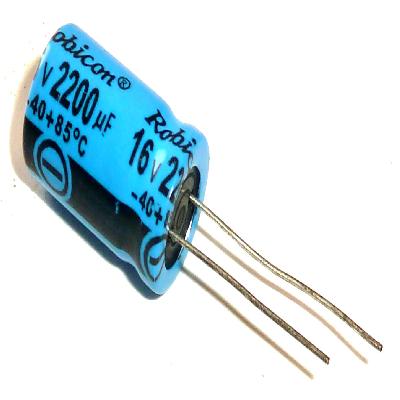
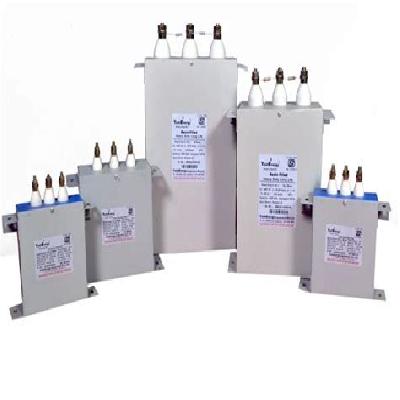
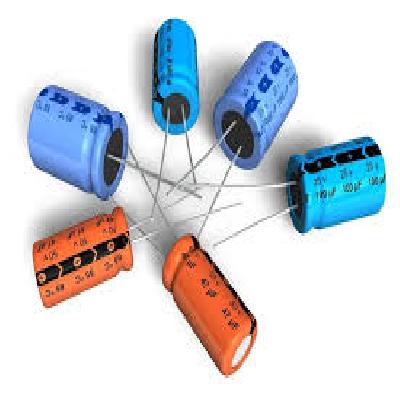
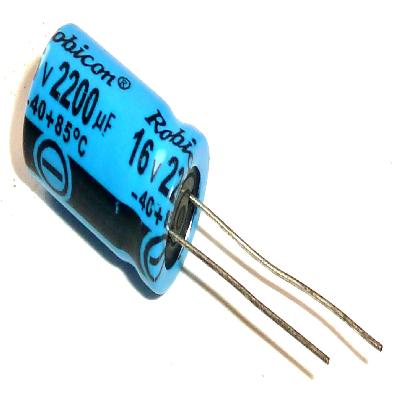
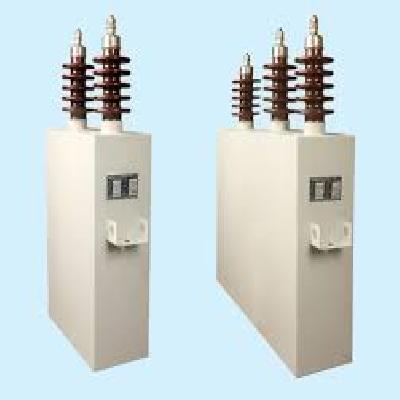
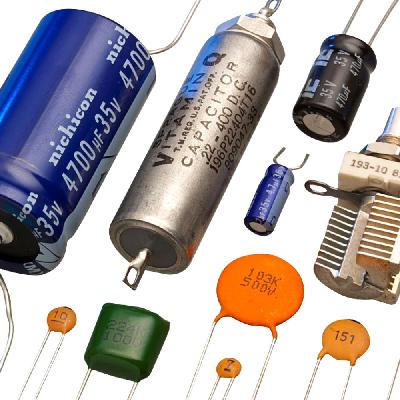
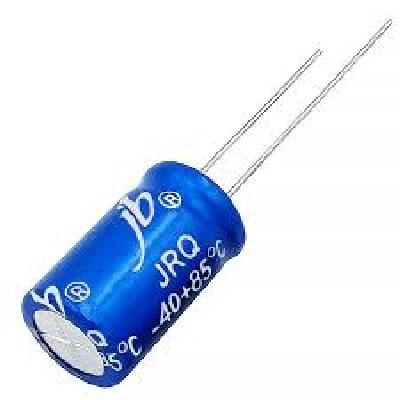
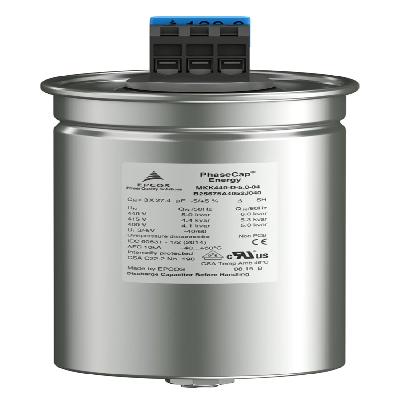
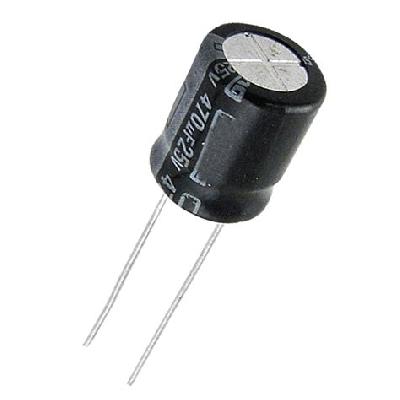
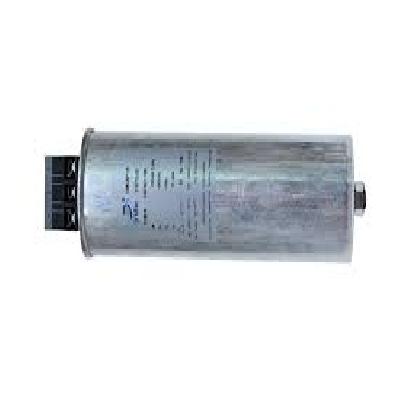
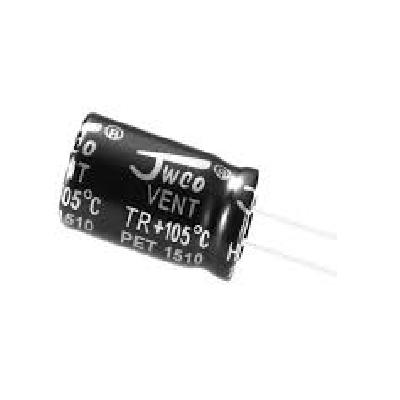
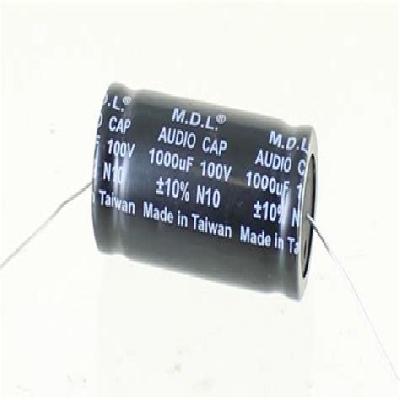
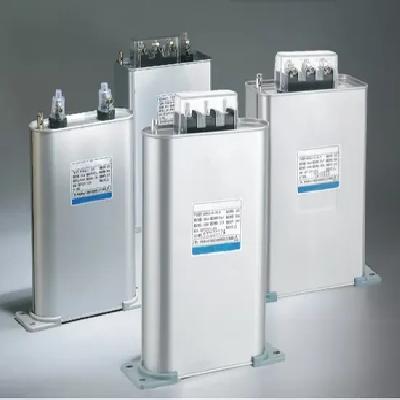
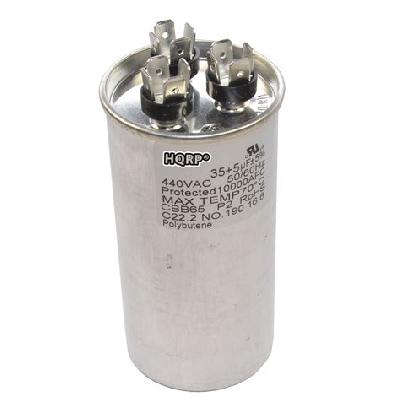
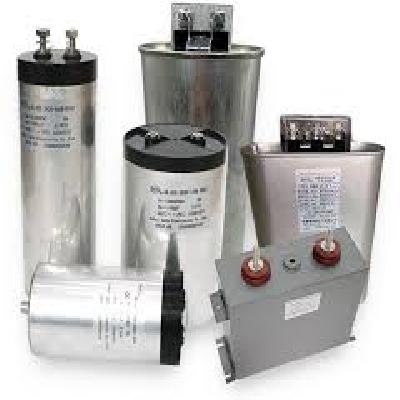
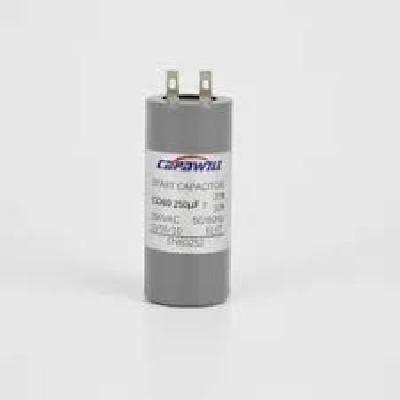
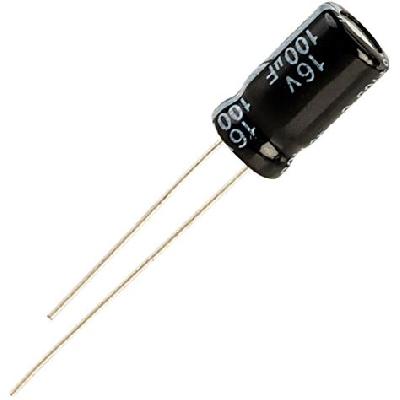
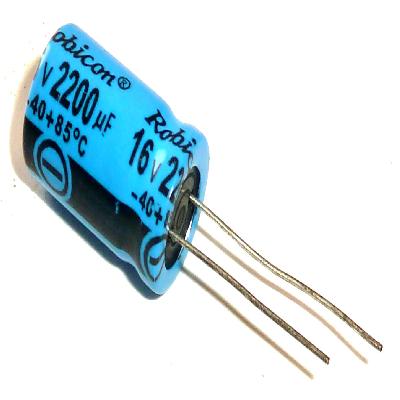
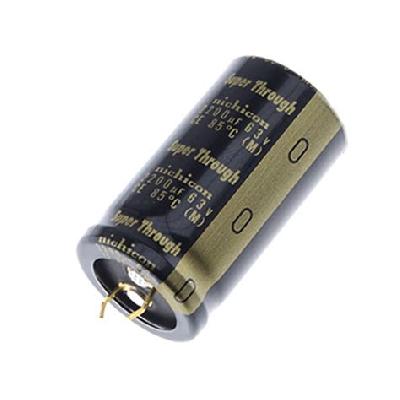
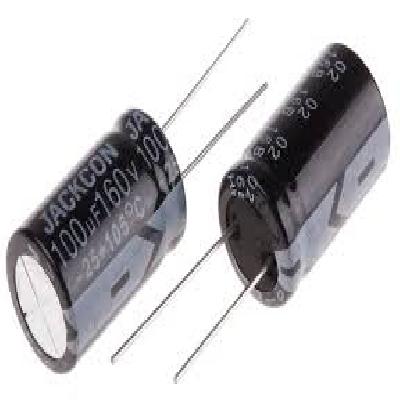
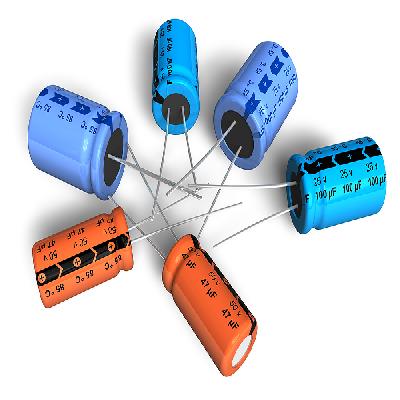
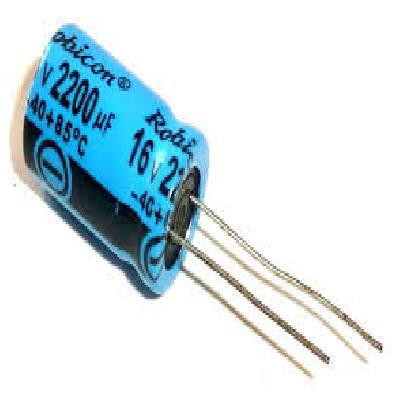
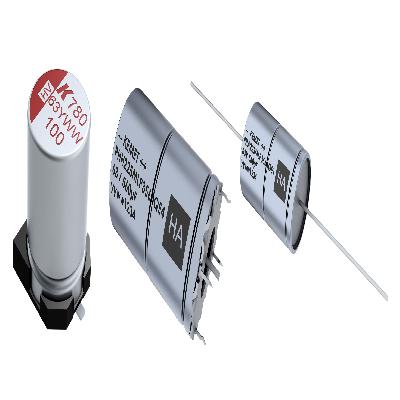
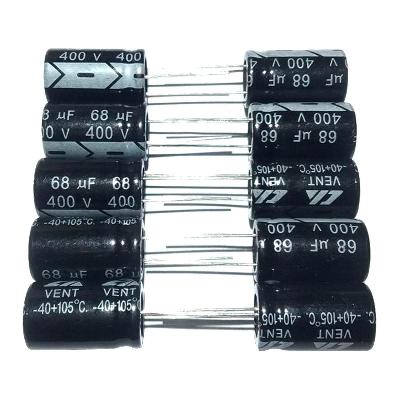
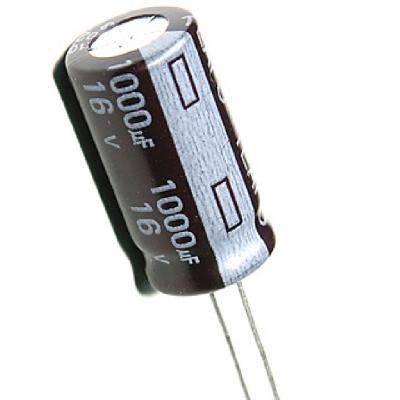
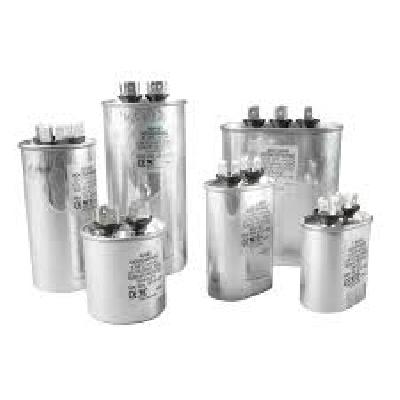
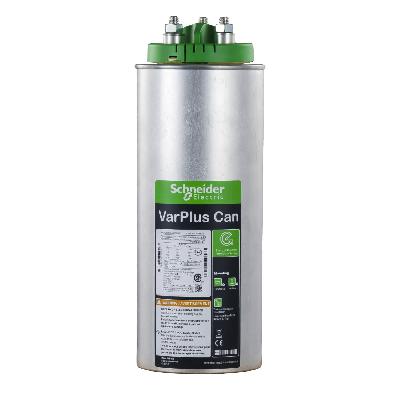
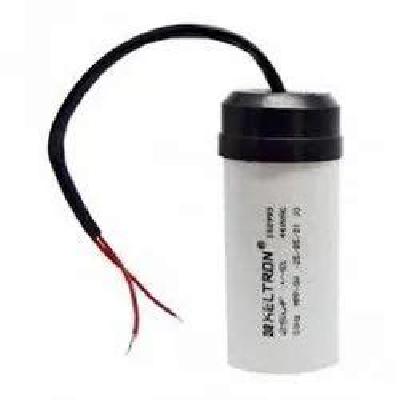
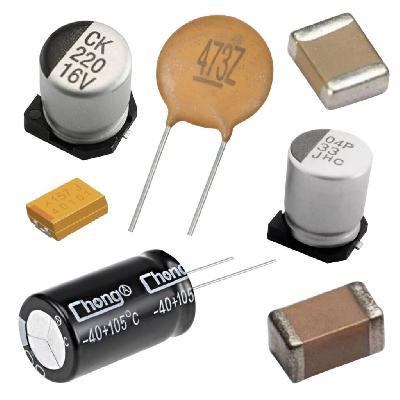
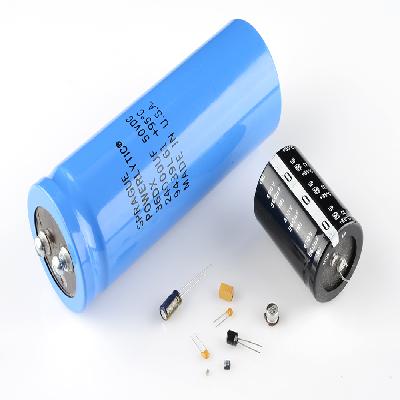
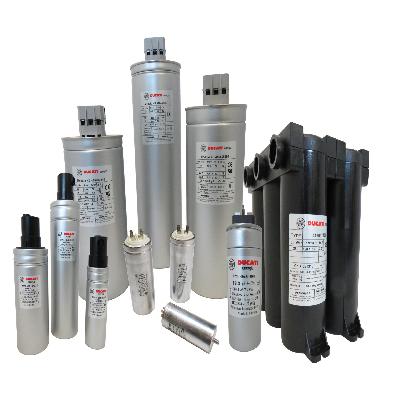
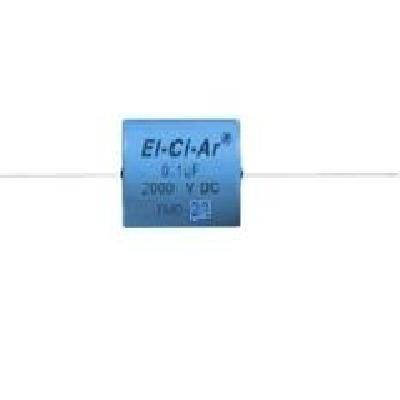
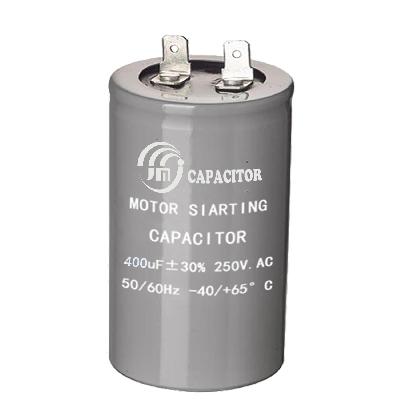
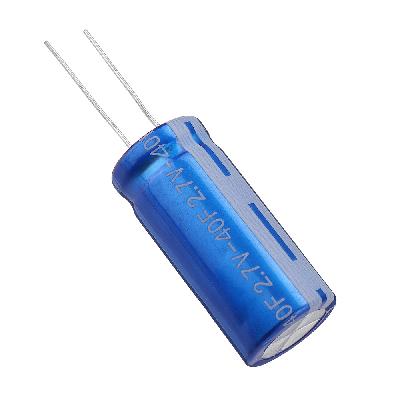
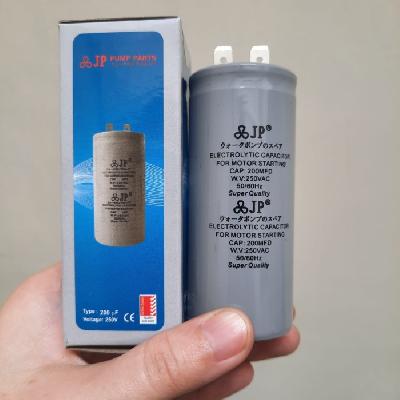
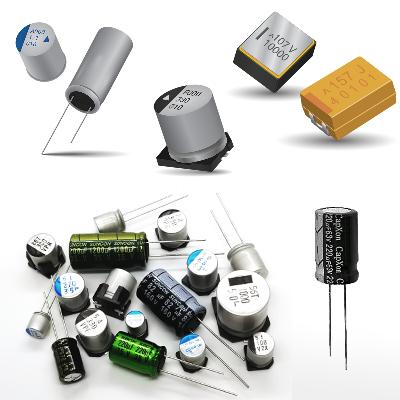
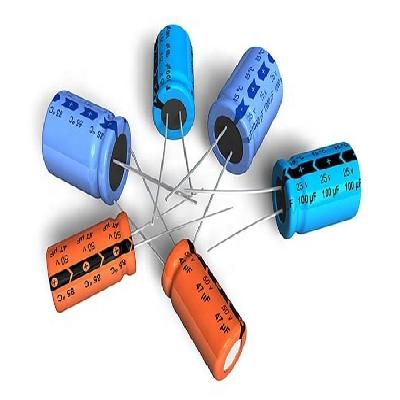
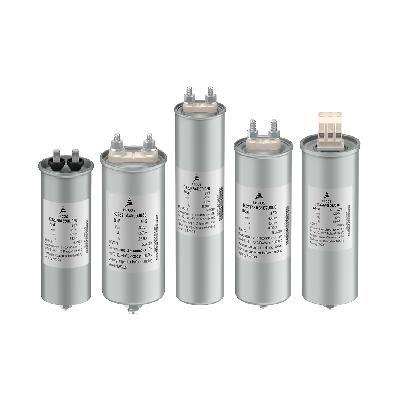
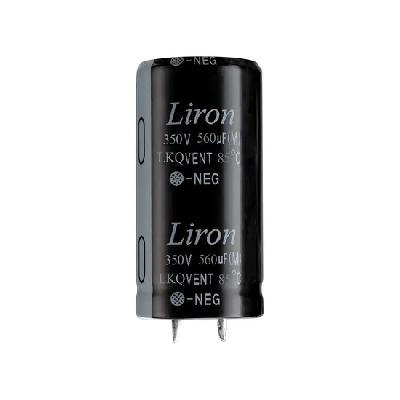
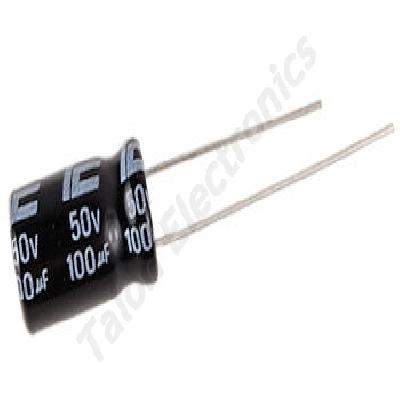
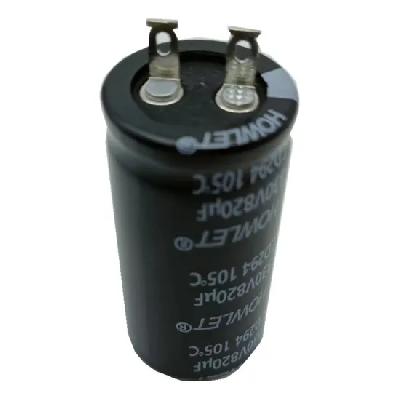
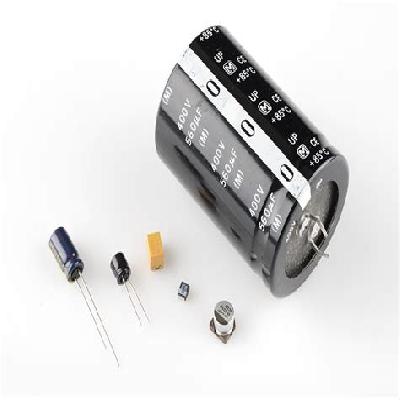
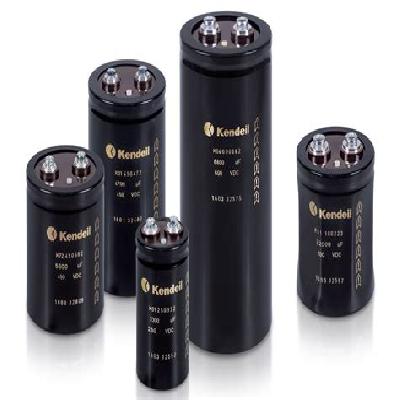
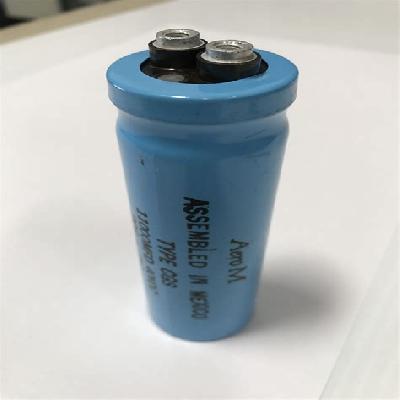
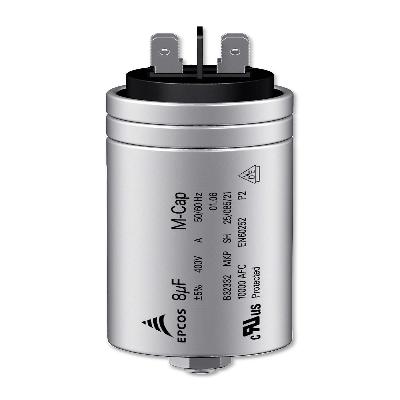
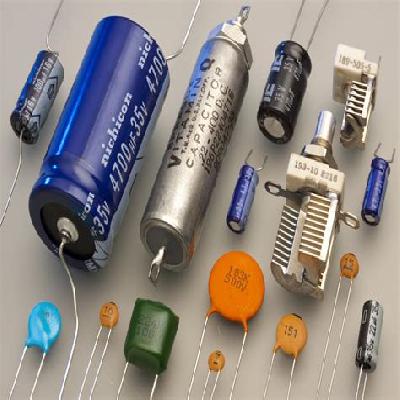
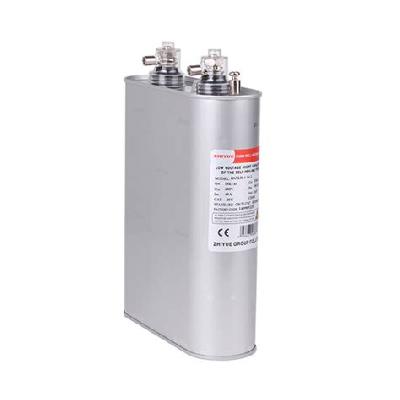
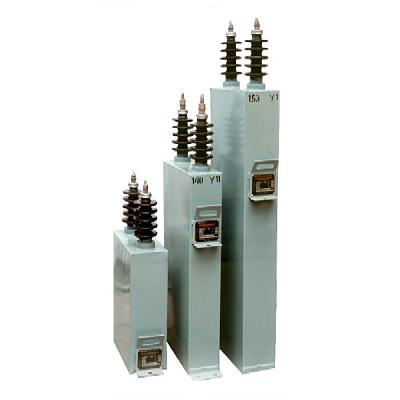
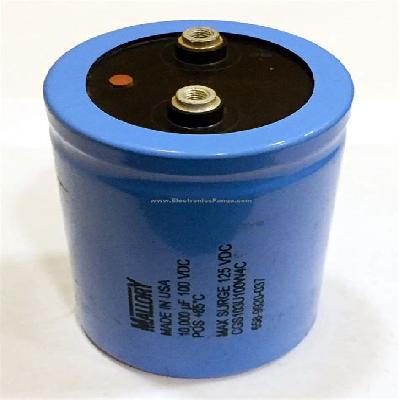
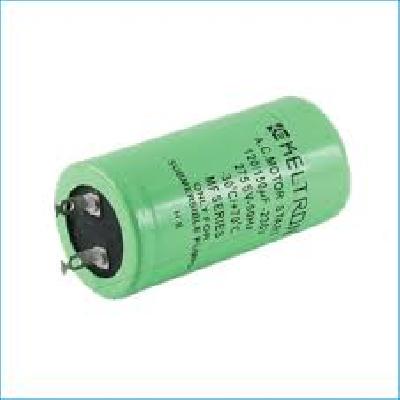
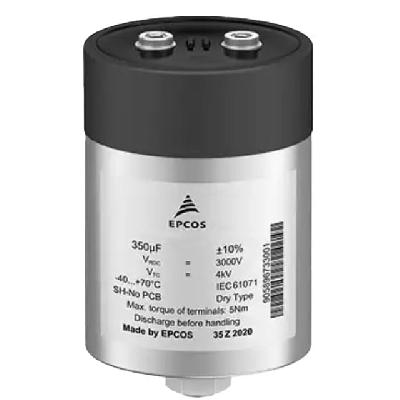
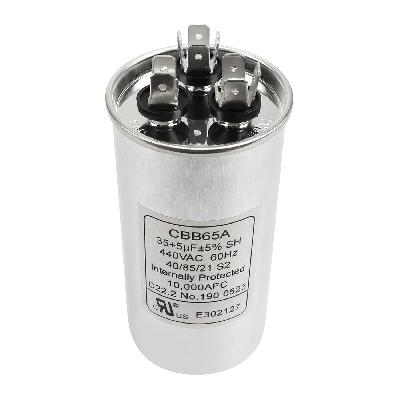
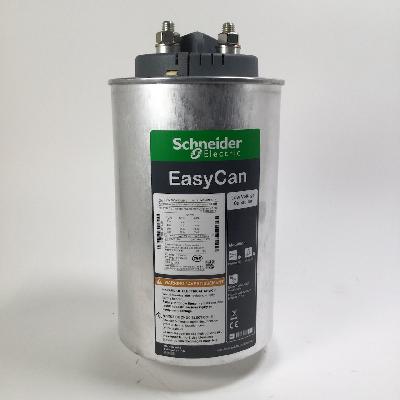
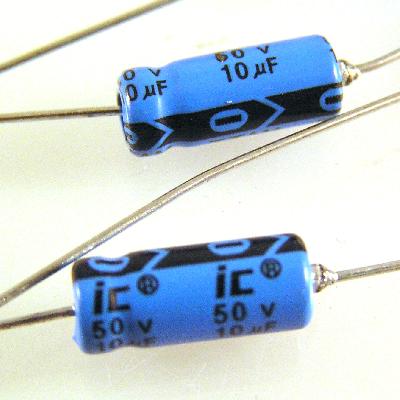
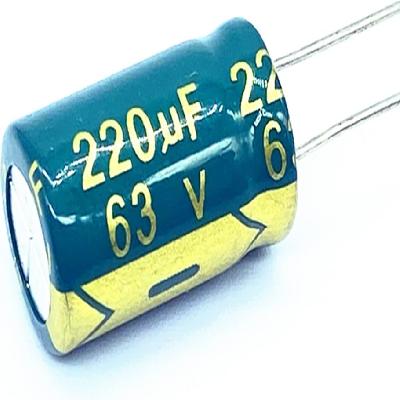
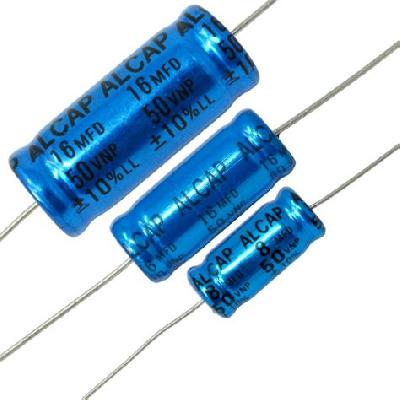
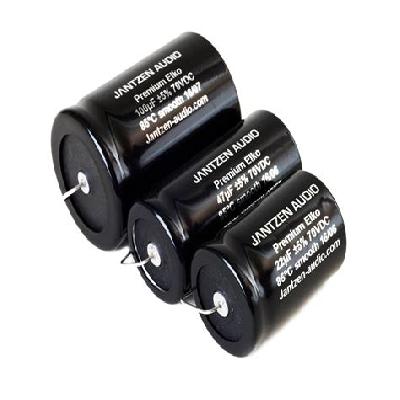
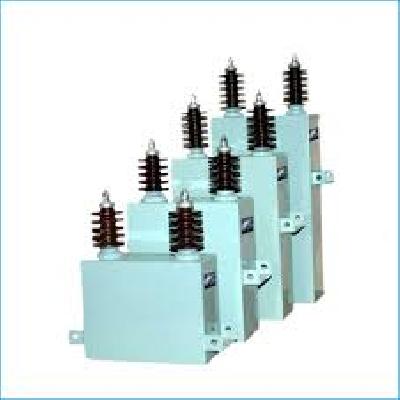
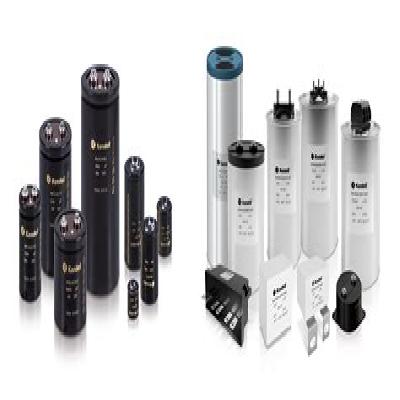
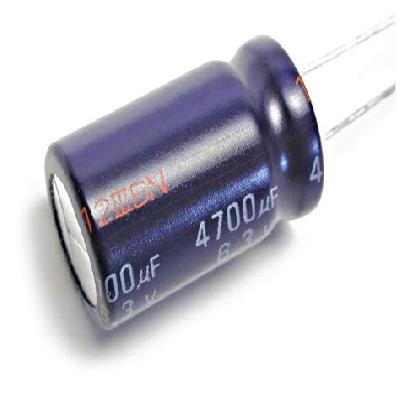
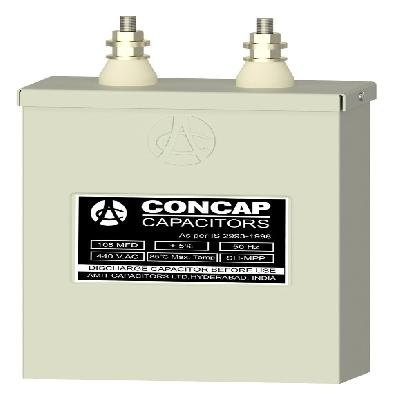
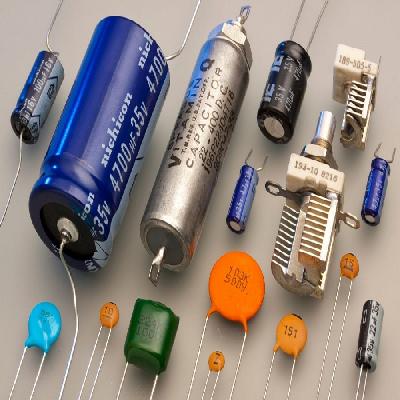
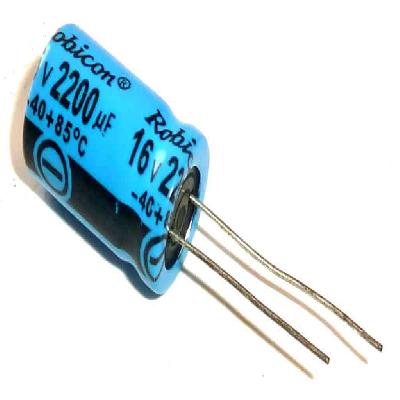
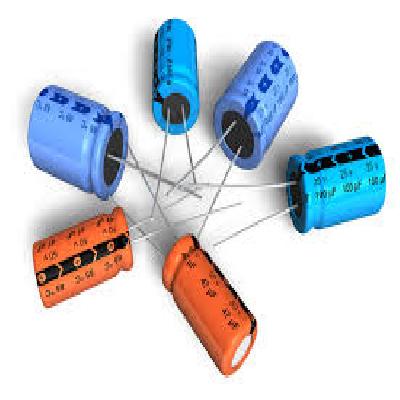
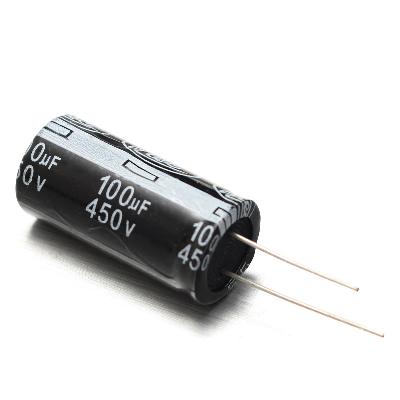
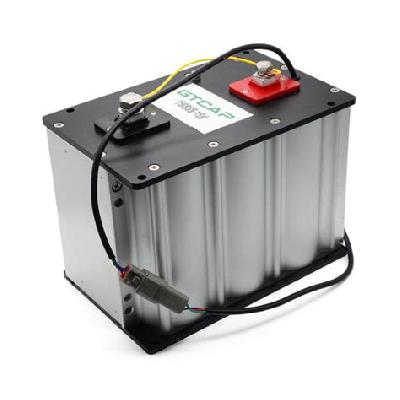
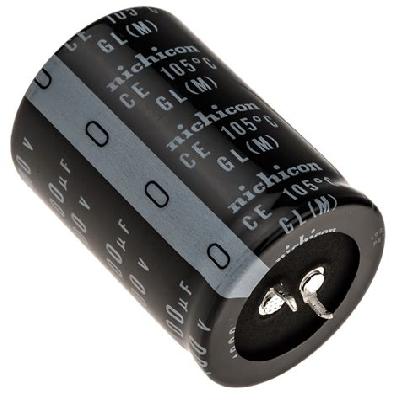
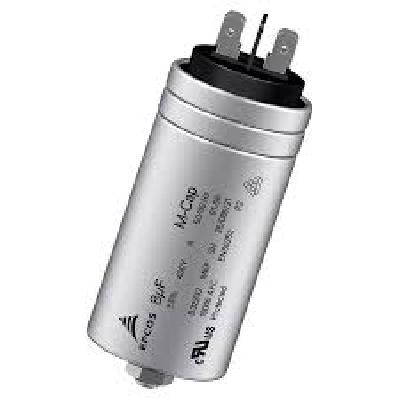
Electrolytic capacitors are a type of capacitor that uses an electrolyte, typically an aqueous solution of a salt or an organic compound, to store electric charge. They have high capacitance values and are commonly used in power supplies, filtering circuits, and other applications where high capacitance is required.
Where To Use Electrolytic Capacitors
Electrolytic capacitors are widely used in various applications, including:
Power supplies and power factor correction circuits
Filtering circuits for audio and radio frequencies
Motor start capacitors
Pulse shaping and filtering in electronic circuits
High-frequency applications, such as in microwave ovens and medical equipment
Key Features Of Electrolytic Capacitors
High capacitance values, often in the range of microfarads to millifarads
Low equivalent series resistance (ESR)
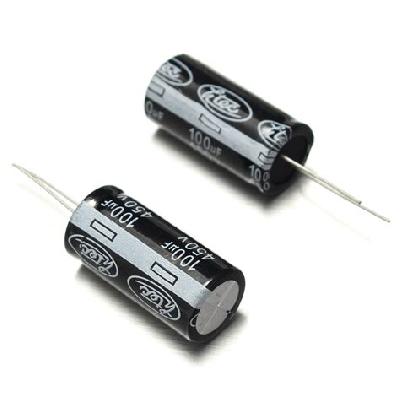
High working voltage and surge current ratings
Wide operating temperature range, typically from -55°C to 125°C
Long lifespan, often exceeding 10 years
Durable construction with a robust casing and reliable terminals
How To Use Electrolytic Capacitors
Choose the correct capacitance value and voltage rating for your application
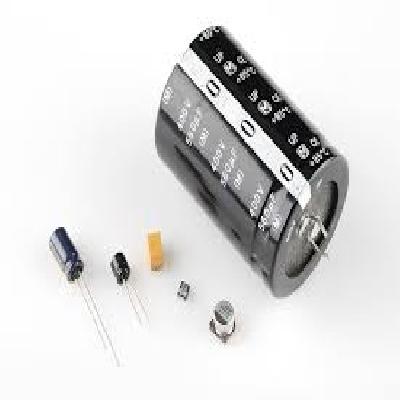
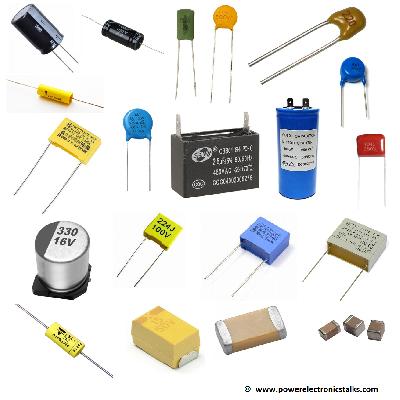
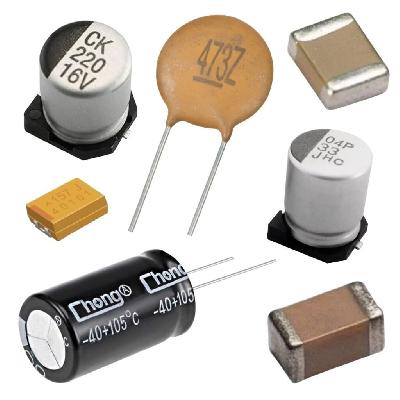
Select a suitable package type (e.g., radial, axial, or surface-mount) based on available space and mounting requirements
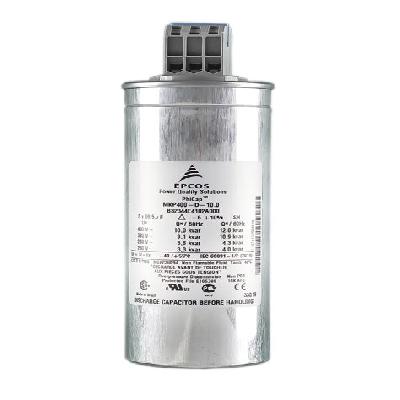
Ensure proper connections to the capacitor, including secure terminal attachment and adequate wiring
Mount the capacitor in a well-ventilated area to prevent overheating and ensure reliable operation
Regularly inspect the capacitor for signs of wear or damage, replacing it as needed
How Electrolytic Capacitors Is Manufactured
The manufacturing process for electrolytic capacitors typically involves several stages:
Material selection and preparation (anode, cathode, and electrolyte materials)
Anode and cathode foil formation
Assembly of the capacitor cell, including anodic and cathodic connections
Electrolyte filling and sealing
Casing and terminal attachment
Inspection and testing
Technical Specification Of Electrolytic Capacitors
Capacitance Range (?F)
10-1000
Rated Voltage (V)
50-200
Tolerance (%)
±5%
Lifespan (Years)
10+
Temperature Rating (°C)
-55 to 125
The technical specification of electrolytic capacitors is critical in ensuring their reliable operation and longevity. The capacitance range, rated voltage, tolerance, lifespan, and temperature rating are all important factors to consider when selecting the correct capacitor for your application. It's essential to consult the manufacturer's documentation and follow proper installation and maintenance procedures to ensure optimal performance.
Description Of Electrolytic Capacitors
Electrolytic capacitors are a type of capacitor that uses an electrolyte, typically an aqueous solution of a salt or an organic compound, to store electric charge. They have high capacitance values and are commonly used in power supplies, filtering circuits, and other applications where high capacitance is required.
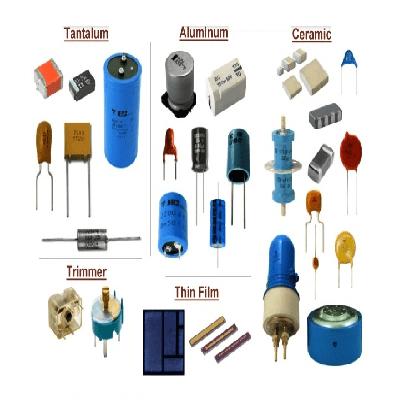
Related Products & Synonyms Of Electrolytic Capacitors
Some related products to electrolytic capacitors include:
Tantalum Capacitor
Axial Capacitor
Chip Tantalum Capacitors
Radial Capacitors
Aluminum Capacitor
Can Capacitor
Electrolytic Motor Start Capacitor
Tantalum SMD Capacitor
Electrolytic SMD Capacitor
Radial Lead Capacitors
Aluminum Electrolytic Capacitor
Some synonyms for electrolytic capacitors include: