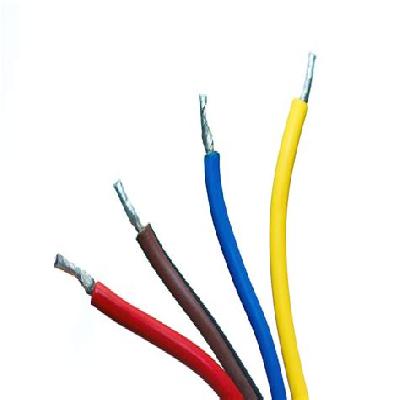
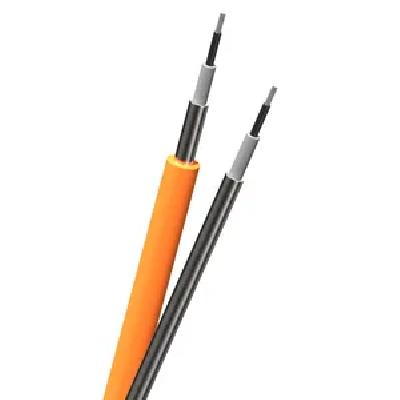
Electrical conductors are materials that allow the flow of electrical current, making them essential for various applications in industries such as construction, manufacturing, and electronics.
Where To Use Electrical Conductors
Electrical conductors are widely used in various industries and applications, including:
Power transmission lines
Household wiring
Industrial machinery
Electronics devices
Key Features Of Electrical Conductors
High electrical conductivity
Good durability and resistance to corrosion
Easy installation and connection
A wide range of shapes, sizes, and materials available
How To Use Electrical Conductors
Choose the right type and size of conductor for your application
Inspect the conductor for any damage or defects before use
Install the conductor correctly, following local building codes and regulations
Maintain the conductor regularly to ensure optimal performance
How Electrical Conductors Is Manufactured
The manufacturing process of electrical conductors typically involves drawing and extruding raw materials, such as copper or aluminum, into the desired shape and size.
Technical Specification Of Electrical Conductors
Shape:
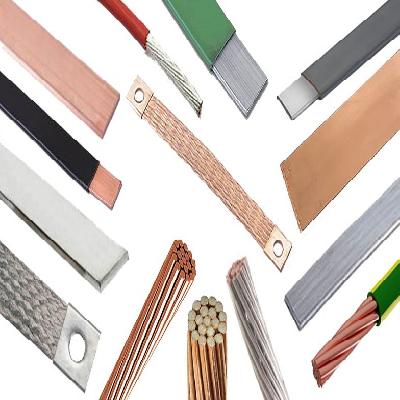
Round, rectangular
Voltage:
Up to 500 kV
Material:
Copper, aluminum
Finish:
Stripped, insulated
Conductivity:
High conductivity
The specifications of electrical conductors are critical in ensuring their performance and safety in various applications. The shape, voltage rating, material, finish, and conductivity of the conductor must be carefully selected based on the specific requirements of the application.
Description Of Electrical Conductors
Electrical conductors are designed to facilitate the flow of electrical current, making them essential for various applications in industries such as construction, manufacturing, and electronics.
Related Products & Synonyms Of Electrical Conductors
The following are some related products and synonyms of electrical conductors:
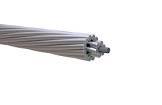
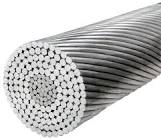
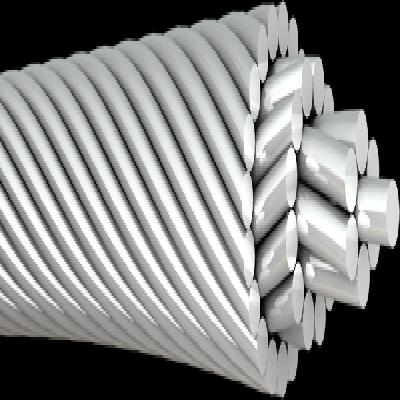
Acsr Conductor: A type of aluminum conductor with high conductivity
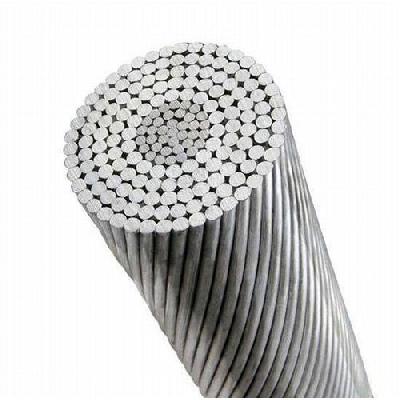
Aluminium Conductors: Conductors made from pure aluminum, known for their high strength and durability
Aluminium Alloy Conductors: Conductors made from a combination of aluminum and other metals, offering improved corrosion resistance and conductivity
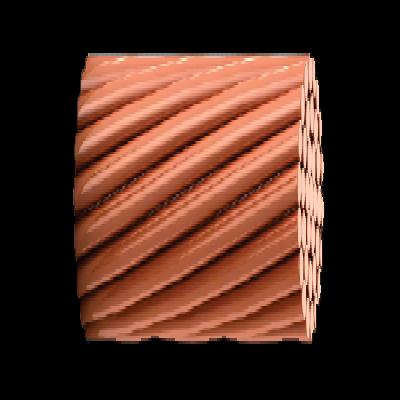
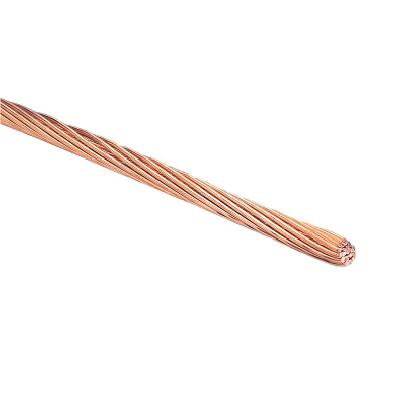
Copper Conductors: Conductors made from pure copper, known for their excellent electrical conductivity and thermal properties
Metal Conductors: Conductors made from various metals, including copper, aluminum, and steel
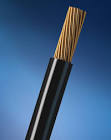
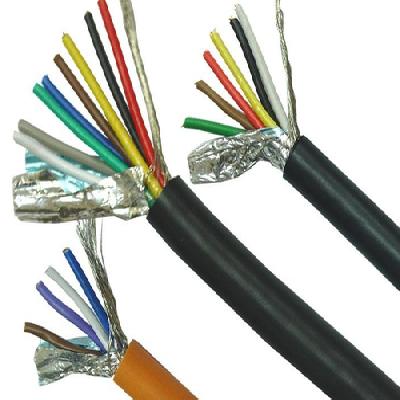
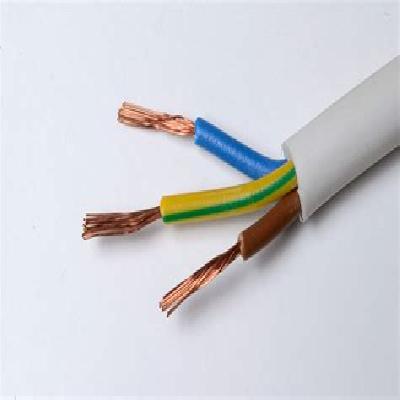
Insulated Conductors: Conductors with insulation to protect against corrosion and improve safety
Conductor Wire: A type of wire designed for high-speed data transmission and other applications
Insulated Copper Conductors: Conductors made from pure copper with insulation for improved safety and durability
Earthing Conductor: A conductor used to connect electrical systems to the ground, ensuring safety and preventing damage
Moose Conductor: A type of conductor designed for high-temperature applications, known for its excellent thermal properties
Bare Copper Conductors: Conductors made from pure copper without insulation, commonly used in electrical circuits and wiring
Bare Conductor: A conductor without insulation or protective coating, often used in low-voltage applications
Bare Aluminum Conductors: Conductors made from pure aluminum without insulation, known for their high strength and durability
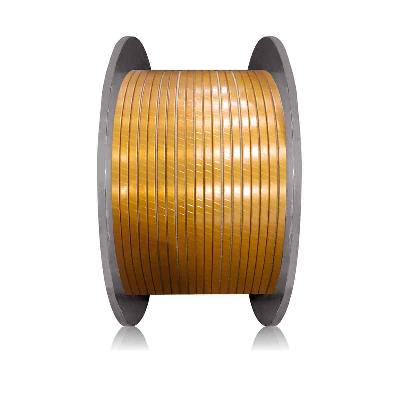
Polyester Film Covered Copper Conductors: Conductors with a polyester film covering to protect against corrosion and improve safety
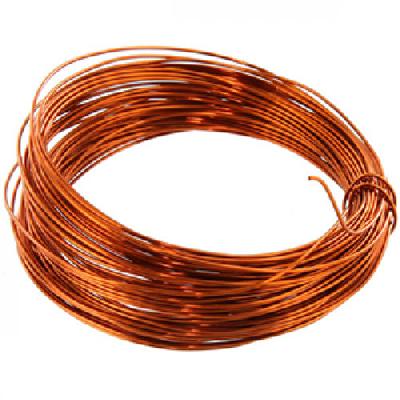
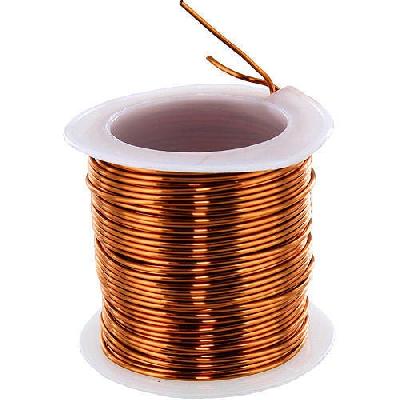
Enamelled Copper Conductors: Conductors made from pure copper with an enamel coating to improve electrical conductivity and thermal properties