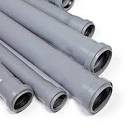
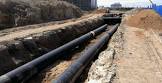
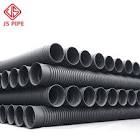
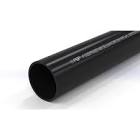
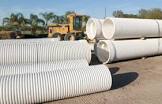
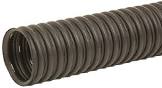
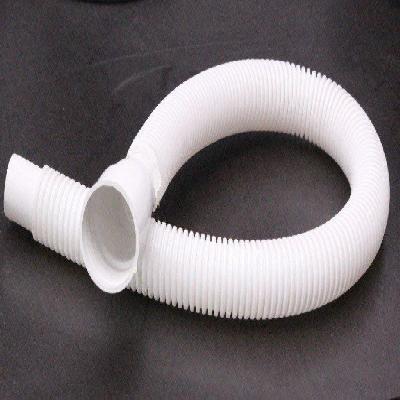
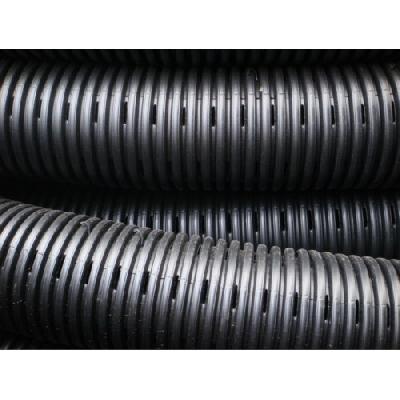
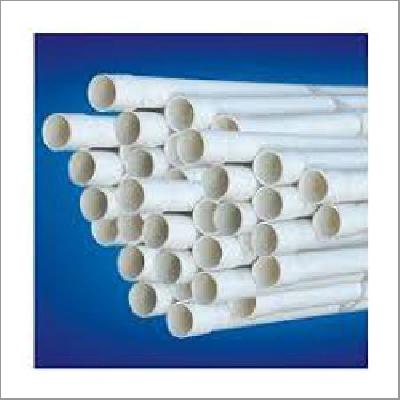
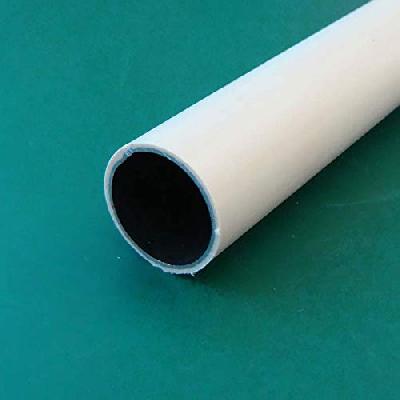
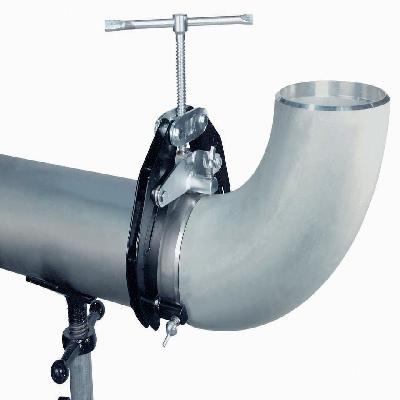
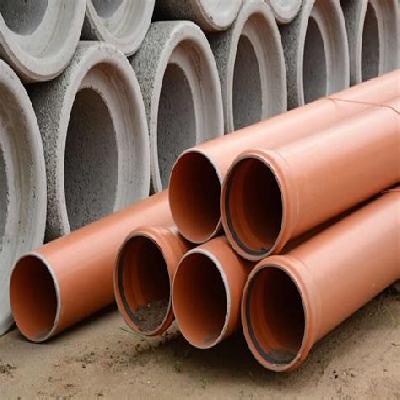
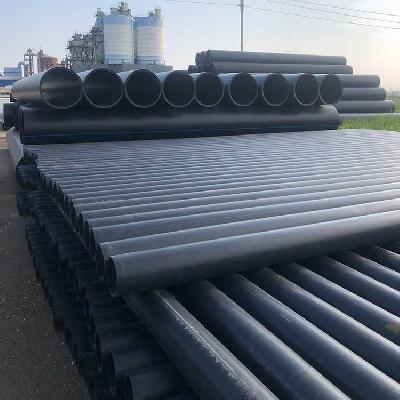
Drainage pipe is a type of piping system used to remove waste water and sewage from buildings, homes, and industries.
Where To Use Drainage Pipe
Residential areas for removing waste water from homes and buildings
Industrial areas for removing sewage and effluent from factories and plants
Commercial areas for removing waste water from offices, hotels, and restaurants
Key Features Of Drainage Pipe
Resistant to corrosion and abrasion
Durable and long-lasting
Easy to install and maintain
Available in various materials, sizes, and lengths
How To Use Drainage Pipe
Connect the drainage pipe to the sewage system or septic tank
Ensure proper slope and gradient for smooth flow of waste water
Maintain regular cleaning and inspection to prevent blockages
Use compatible materials and fittings for connection
How Drainage Pipe Is Manufactured
Drainage pipes are manufactured using high-quality materials and advanced machinery to ensure durability and resistance to corrosion.
Technical Specification Of Drainage Pipe
Material
HDPE (High-Density Polyethylene)
Size
Diameter: 100mm, 150mm, 200mm
Length
Length: 500m, 1000m, 2000m
Color
Standard color: Black, Grey
Operating Temperature
-20°C to +80°C
The technical specification of drainage pipe includes the material, size, length, color, and operating temperature. HDPE is used as the primary material due to its high resistance to corrosion and abrasion. The diameter and length of the pipe can be customized according to specific requirements. Standard colors are black and grey, but custom colors can also be provided upon request. The operating temperature range is -20°C to +80°C, making it suitable for various applications.
Description Of Drainage Pipe
Drainage pipes are designed to remove waste water and sewage from buildings, homes, and industries. They come in various sizes and lengths to cater to different requirements.