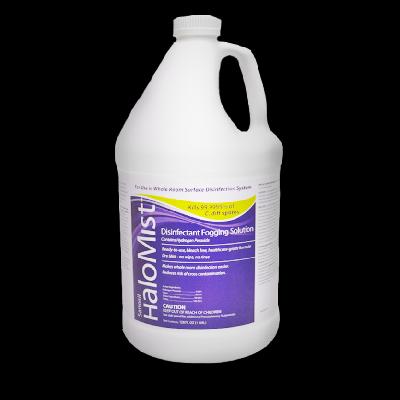
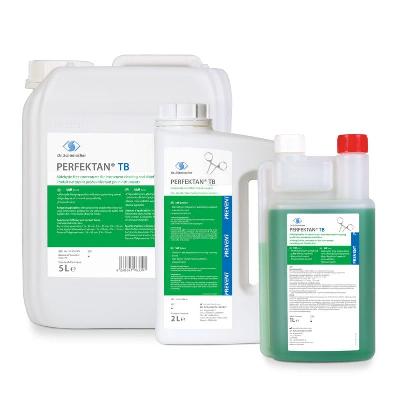
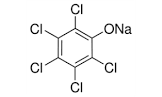
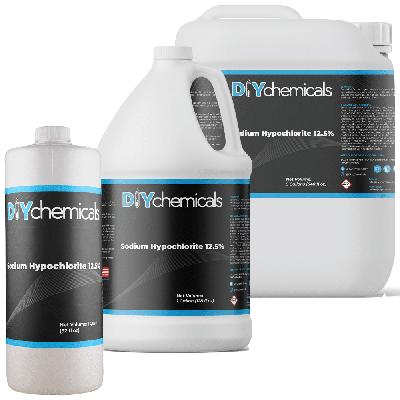
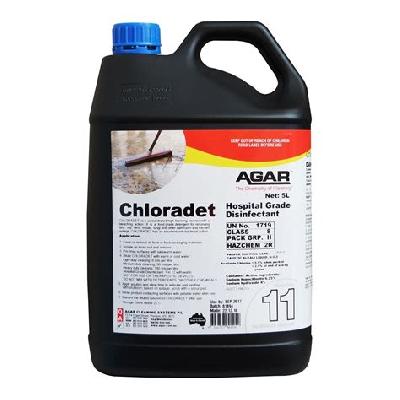
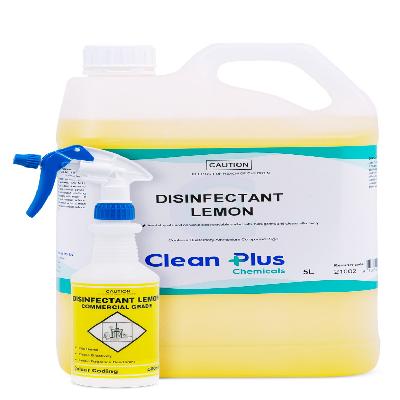
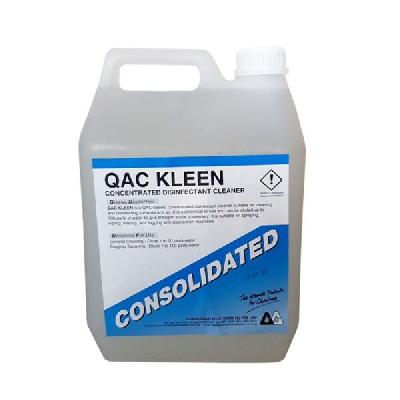
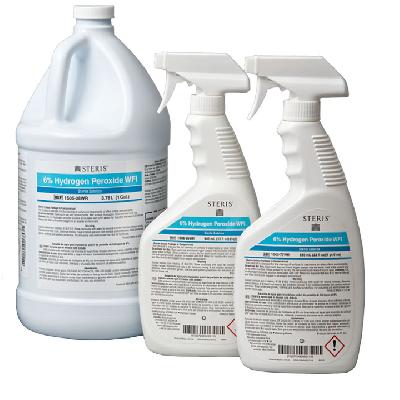
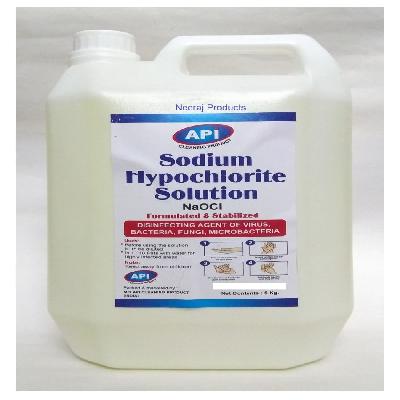
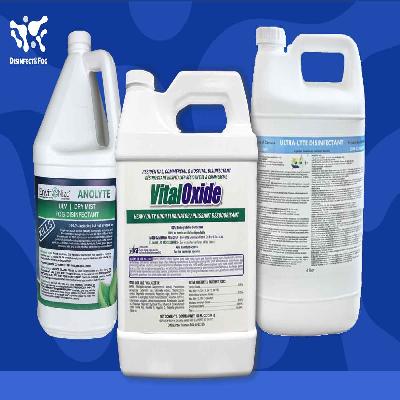
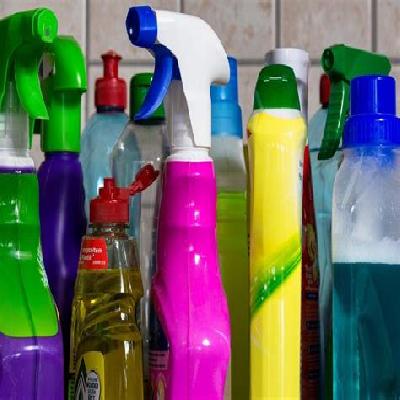
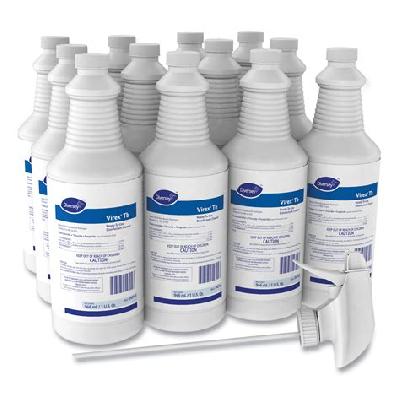
Disinfectant chemicals are a type of industrial product used to kill or inactivate microorganisms on surfaces, equipment, and air. They are commonly used in hospitals, clinics, laboratories, food processing plants, and other areas where high levels of hygiene are required.
Where To Use Disinfectant Chemicals
Disinfectant chemicals can be used in various settings, including:
Hospitals and clinics
Laboratories and research facilities
Food processing plants and kitchens
Pharmaceutical manufacturing facilities
Animal care facilities, such as kennels and veterinary clinics
Other areas where high levels of hygiene are required
Key Features Of Disinfectant Chemicals
Highly effective against a broad spectrum of microorganisms, including bacteria, viruses, and fungi
Fast-acting and long-lasting
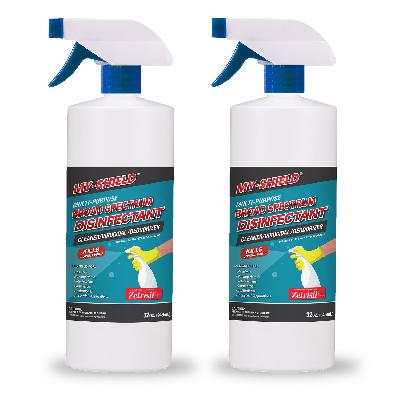
Easily applied to surfaces using sprays, wipes, or other methods
Non-toxic and non-corrosive to most materials
Environmentally friendly and biodegradable
How To Use Disinfectant Chemicals
Read and follow the label instructions carefully before use
Apply disinfectant chemicals to surfaces using sprays, wipes, or other methods as recommended
Allow the product to remain on the surface for the recommended contact time to ensure effectiveness
Rinse the surface with clean water after application if necessary
Regularly test and maintain equipment to ensure optimal performance
How Disinfectant Chemicals Is Manufactured
Disinfectant chemicals are typically manufactured through a combination of chemical synthesis and blending processes.
Technical Specification Of Disinfectant Chemicals
Concentration:
5-10% active ingredient
Form:
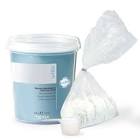
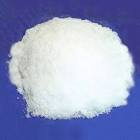
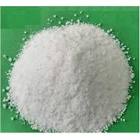
Liquid, powder, or granule
Applications:
General disinfection, surface cleaning, equipment sanitizing
Packaging:
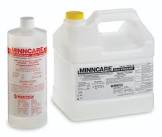
Bottles, containers, or bulk packaging
The technical specifications of disinfectant chemicals are crucial for ensuring their effectiveness and safety in use. The concentration, form, applications, and packaging of these products must be carefully controlled to meet the needs of various industries and settings.