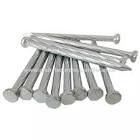
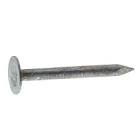
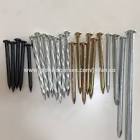
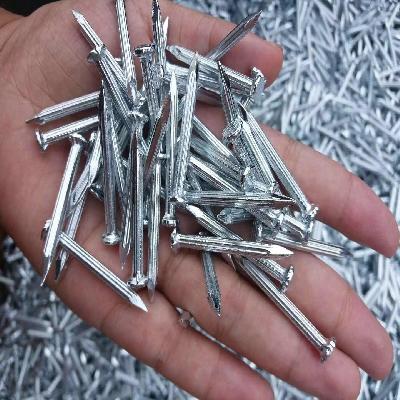
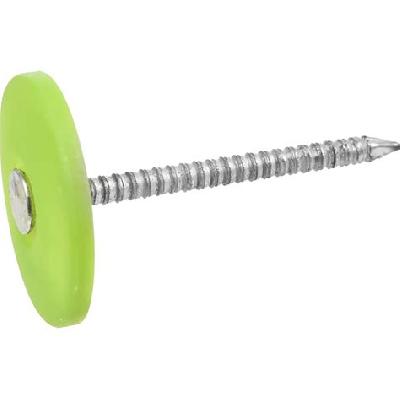
Construction nail is a type of fastening device used in building and construction projects. It is designed to securely hold materials together by being driven into the wood or other materials.
Where To Use Construction Nail
Building and construction projects
Furniture making and woodworking
Roofing and drywall installation
General carpentry and trim work
Key Features Of Construction Nail
Durable and long-lasting
Strong holding power
Versatile in use
Available in various sizes and types
How To Use Construction Nail
Select the correct size and type of nail for the project
Mark the spot where the nail will be driven
Hold the nail at a 45-degree angle and drive it into place
Cover the nail with wood filler or putty to seal any gaps
How Construction Nail Is Manufactured
The manufacturing process of construction nails involves several steps, including:
Raw material selection and processing
Metal forming and shaping
Heat treatment and hardening
Quality control and packaging
Technical Specification Of Construction Nail
Length (mm)
50-150
Diameter (mm)
2.5-7
Material
Steel, Galvanized Steel, or Stainless Steel
Head Type
Flat Head, Round Head, or Countersinking
Finish
Coated, Galvanized, or Uncoated
The technical specifications of construction nails are crucial for ensuring proper fit and performance in various applications. The length, diameter, material, head type, and finish all play important roles in determining the suitability of a nail for a specific project.
The length of a construction nail typically ranges from 50-150mm, depending on the intended use. The diameter can vary between 2.5-7mm, with smaller diameters suitable for lighter applications and larger diameters better suited to heavier projects.
The material of construction nails is critical in ensuring durability and resistance to corrosion. Steel, galvanized steel, and stainless steel are commonly used materials due to their strength, durability, and ability to withstand various environmental conditions.
The head type of a construction nail can vary depending on the specific requirements of a project. Flat heads provide a flush surface, round heads offer greater holding power, and countersinking allows for easy installation.
Finally, the finish of a construction nail can impact its performance and lifespan. Coated nails offer added protection against corrosion, galvanized nails provide enhanced durability, and uncoated nails are suitable for applications where corrosion is not a concern.
Description Of Construction Nail
Construction nail is a widely used fastening device in various industries, including construction, furniture making, and woodworking. It is designed to provide strong holding power and durability, making it an essential tool for many projects.
Related Products & Synonyms Of Construction Nail
Some related products to construction nails include:
Concrete nail: a specialized nail designed for use in concrete, offering enhanced holding power and durability
Roofing nails: used primarily for roofing applications, providing excellent holding power and resistance to weather conditions
Galvanized concrete nail: a type of nail coated with galvanization for added protection against corrosion
Masonry nails: designed specifically for use in masonry materials, offering enhanced holding power and durability
Cap nail: a specialized nail used to secure caps or coverings on pipes and tubes