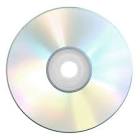
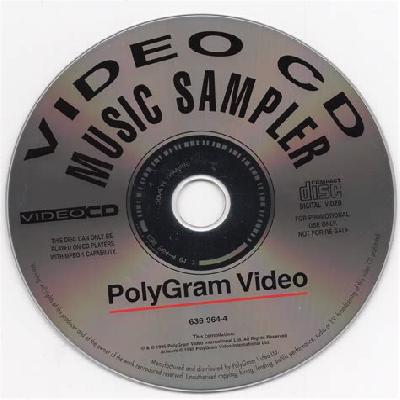
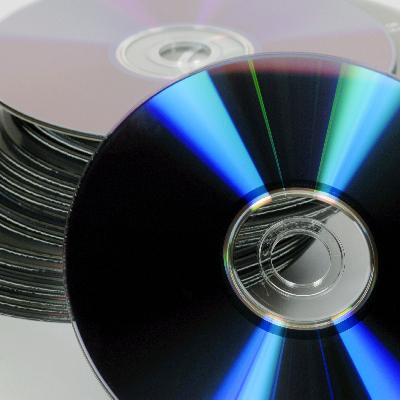
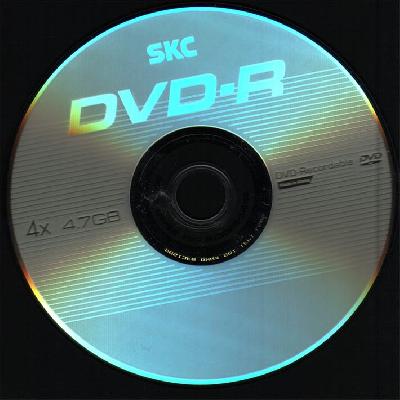
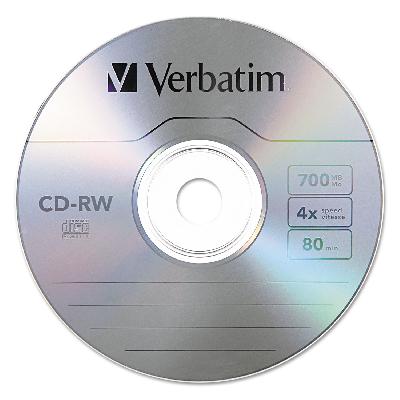
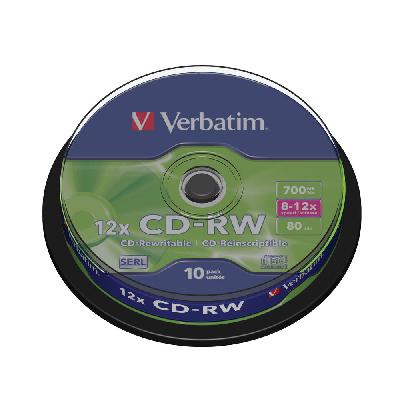
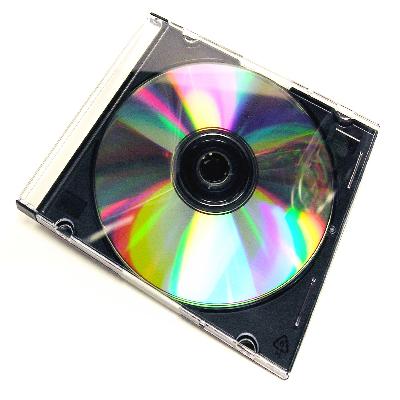
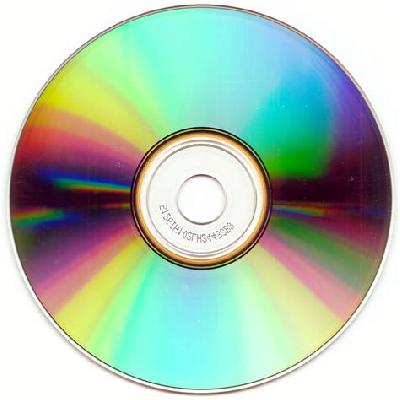
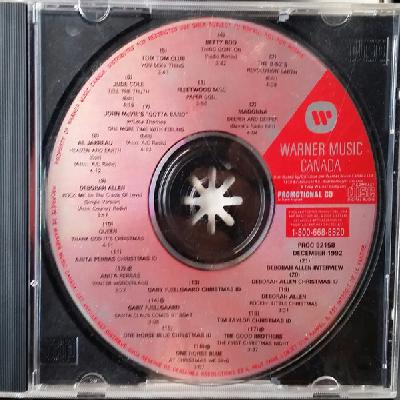
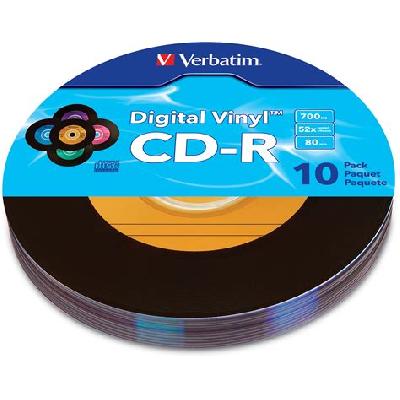
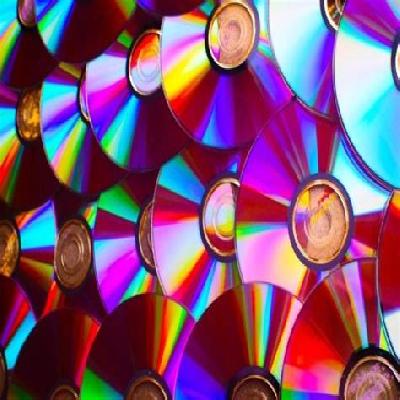
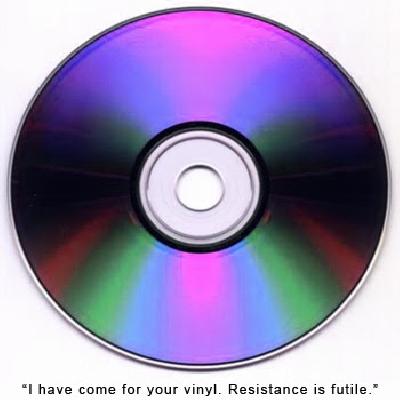
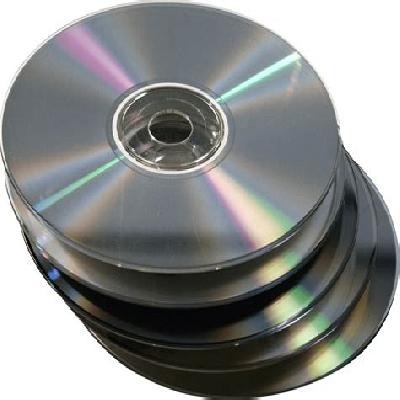
A compact disc (CD) is a digital optical disc data storage format that was co-developed by Philips and Sony to store and play back up to 80 minutes of read-only digital audio, but it can also store other forms of digital data.
Where To Use Compact Disc
CDs are widely used in various applications, including music distribution, video games, computer data storage, and digital multimedia formats such as VCD (Video CD), SVCD (Super Video CD) and DVD.
Key Features Of Compact Disc
Read-only data storage
Digital optical disc format
Up to 80 minutes of digital audio storage
Can store other forms of digital data
How To Use Compact Disc
Insert the CD into a CD player or computer drive
Navigate to the desired track or file on the disc
Play the audio, video, or access the digital data stored on the disc
How Compact Disc Is Manufactured
The manufacturing process of CDs involves several stages, including mastering, replication, and packaging.
Technical Specification Of Compact Disc
Disc Type:
CD-ROM
Capacity:
650-700 MB
Pack Size:
10, 20, 50, 100
Recording Speed:
1x, 2x, 4x, 8x
Quantity:
1-1000
The technical specification of a compact disc is designed to provide high-quality digital audio and data storage. The disc type, capacity, pack size, recording speed, and quantity are all important factors to consider when selecting a CD for your needs.
Description Of Compact Disc
A compact disc (CD) is a type of digital optical disc that stores data in the form of tiny pits and lands on its surface.
Related Products & Synonyms Of Compact Disc
The related products of compact discs include blank CDs, mini CDs, audio CDs, audio video DVDs, video CDs, musical CDs, audio video CDs, audio DVDs, meditation DVDs, DVD media, and meditation CDs.
The synonyms of compact discs include CD-ROM, CD, CD-Read Only Memory, Compact Disc-Read Only Memory, and Compact Disc-ROM.