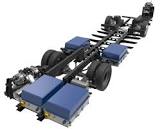
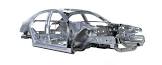
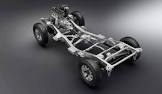
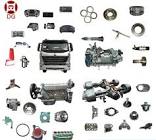
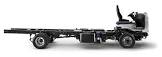
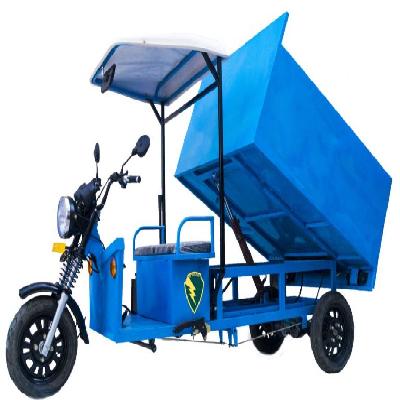
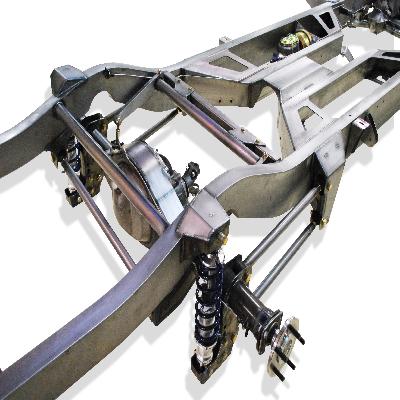
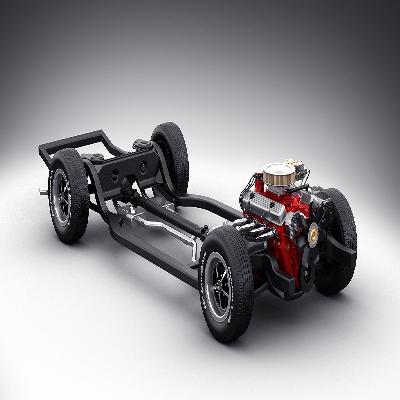
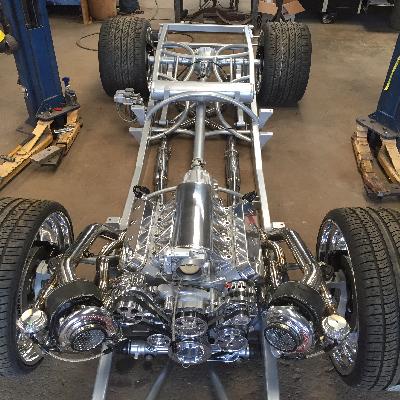
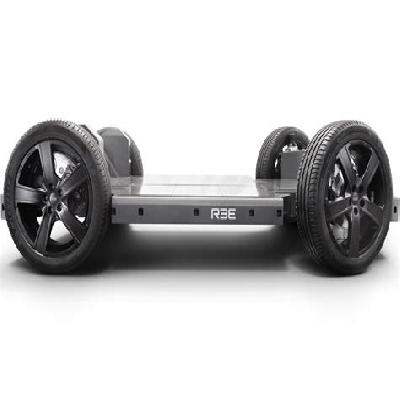
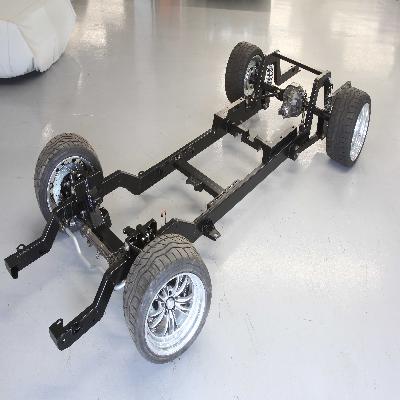
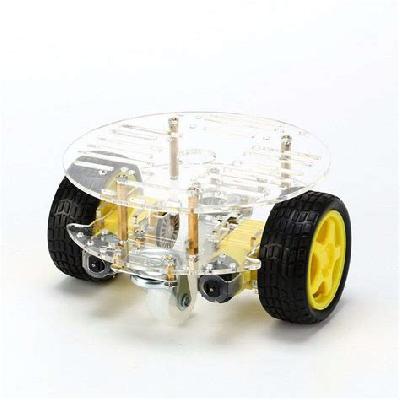
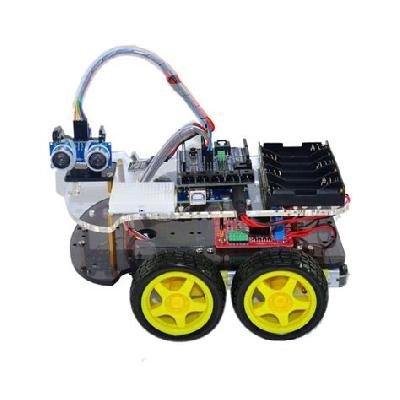
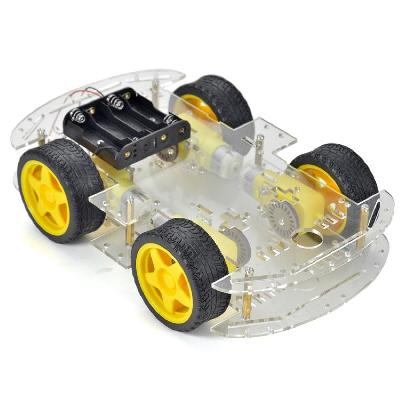
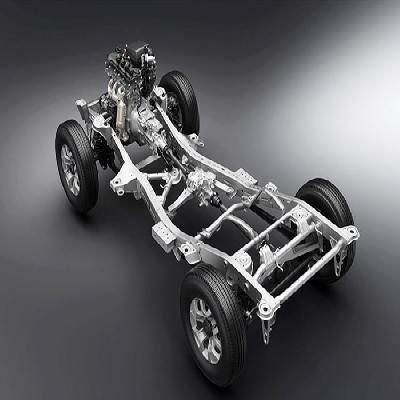
Chassis is the main structure of a vehicle, including the frame, suspension, steering, and brakes. It provides the base for mounting other components such as engines, transmissions, and fuel tanks.
Where To Use Chassis
Chassis is used in various types of vehicles, including cars, buses, trucks, and e-rickshaws. It can also be used as a base for custom-built vehicles or in the manufacture of vehicle parts.
Key Features Of Chassis
Strong and rigid frame structure
Mounting points for engines, transmissions, and fuel tanks
Suspension and steering components integrated into the frame
Braking system designed to work in conjunction with the chassis
Material selection based on strength-to-weight ratio and durability requirements
How To Use Chassis
Ensure proper installation and alignment of the chassis frame
Mount engines, transmissions, and fuel tanks securely to the chassis
Integrate suspension and steering components into the chassis frame
Configure braking system according to vehicle requirements
Maintain regular inspections and maintenance for optimal performance
How Chassis Is Manufactured
The manufacturing process of a chassis involves several stages, including design, tooling, stamping or casting, welding, and finishing. The choice of material, such as steel or aluminum, depends on the specific requirements of the vehicle.
Technical Specification Of Chassis
Length (mm)
1500-2500
Width (mm)
1800-2800
Payload Capacity (kg)
500-2000
Engine Power (HP)
50-250
Braking System
Disc Brakes with ABS
The technical specifications of a chassis are critical to ensuring the safety and performance of a vehicle. The length, width, payload capacity, engine power, and braking system are all important factors that affect the overall capabilities of the vehicle.
Description Of Chassis
A chassis is the fundamental structure of a vehicle, providing a sturdy base for mounting engines, transmissions, and other components. It plays a crucial role in determining the overall performance, safety, and durability of a vehicle.