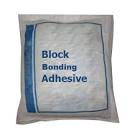
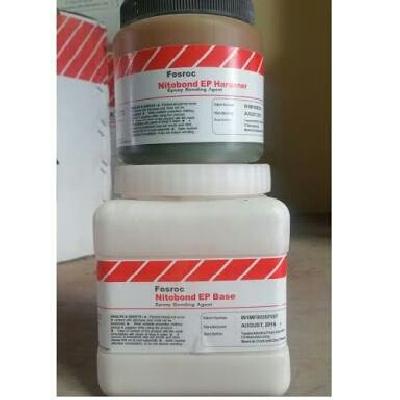
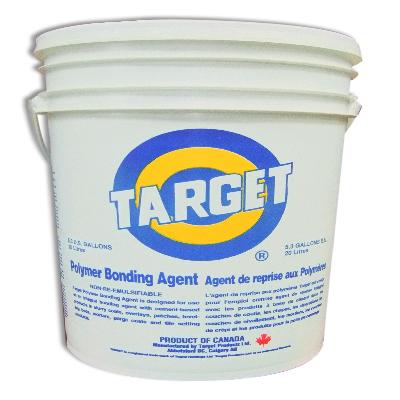
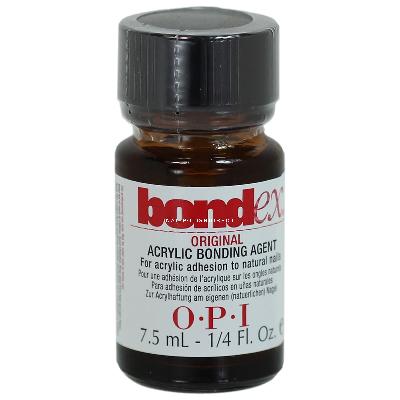
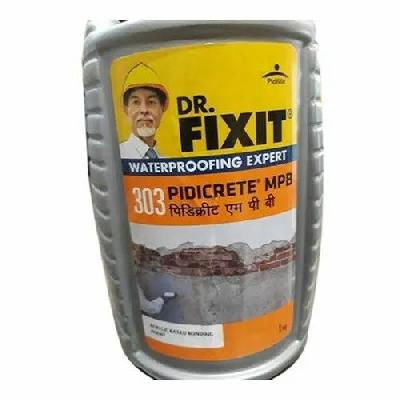
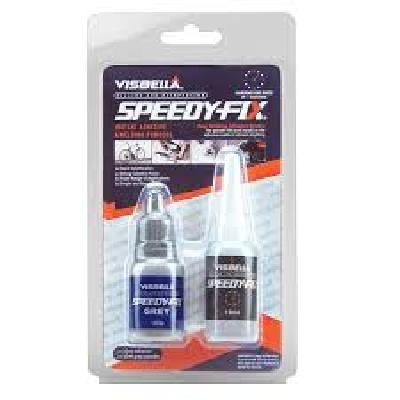
Bonding agents are chemicals used to bond or join two surfaces together. They work by creating a strong adhesive bond between the surfaces, allowing them to stick together permanently.
Where To Use Bonding Agents
Bonding agents are commonly used in various industries such as construction, manufacturing, and automotive. They can be used to bond different materials such as wood, metal, plastic, and glass.
Key Features Of Bonding Agents
High strength and durability
Easy to apply and use
Fast drying time
Good resistance to chemicals and weathering
How To Use Bonding Agents
Clean the surfaces to be bonded thoroughly
Apply a thin layer of bonding agent to one or both surfaces
Carefully clamp or press the surfaces together to form a bond
Allow the bonding agent to dry completely before handling the bonded surfaces
How Bonding Agents Is Manufactured
Bonding agents are typically manufactured through a combination of chemical reactions and processing steps. The exact manufacturing process may vary depending on the specific type of bonding agent being produced.
Technical Specification Of Bonding Agents
Tensile Strength (MPa)
50-70
Bonding Time (minutes)
30-60
Shelf Life (months)
12-18
Compatibility
Aluminum, Steel, Copper, Plastic
The technical specification of bonding agents includes tensile strength, bonding time, shelf life, and compatibility. The tensile strength is a measure of the bond's ability to withstand stress without breaking, while the bonding time is the time it takes for the bond to form. The shelf life is the length of time the product can be stored before it loses its effectiveness, and compatibility refers to the types of materials that can be bonded together.
Description Of Bonding Agents
Bonding agents are clear or colored liquids that can be applied to surfaces using a brush, roller, or spray gun. They come in various viscosities and can be used at room temperature or with heat.