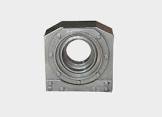
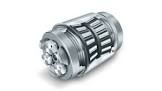
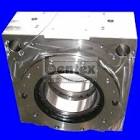
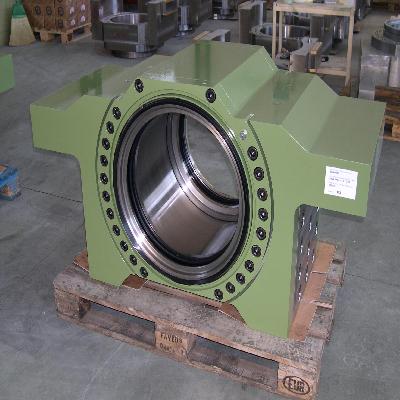
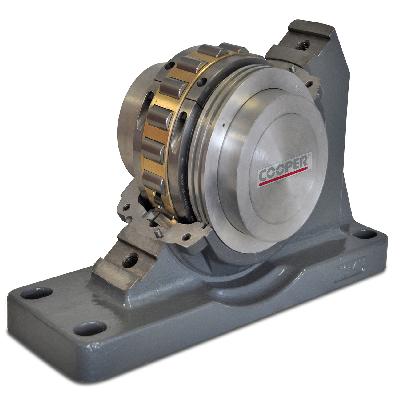
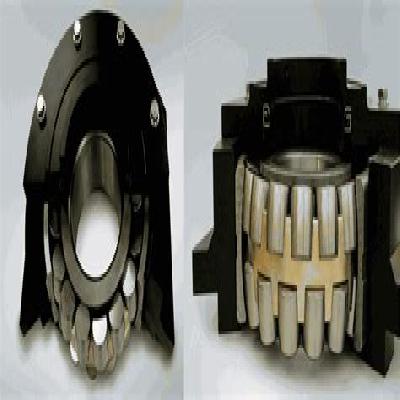
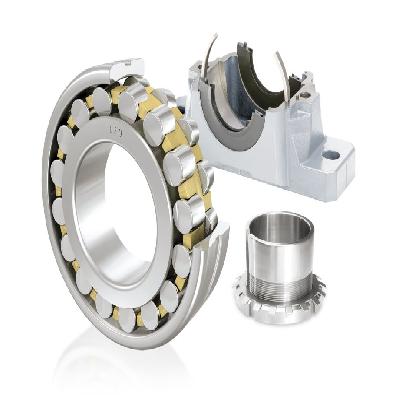
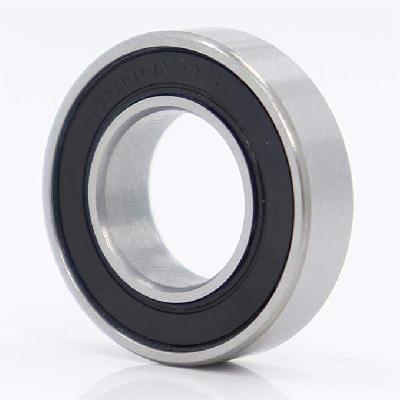
Bearing assemblies are mechanical components designed to support and reduce friction between moving parts in various industrial equipment, machinery, and vehicles. They consist of a bearing housing, which holds the rolling elements (balls or rollers) that distribute loads across the surfaces in contact.
Where To Use Bearing Assemblies
Pumps and motors
Generators and turbines
Air compressors and blowers
Machinery for food processing, textile manufacturing, and paper production
Industrial conveyor systems
Automotive applications, including wheel bearings and steering systems
Key Features Of Bearing Assemblies
Reduced friction and wear on moving parts
Improved equipment lifespan through reduced maintenance needs
Increased efficiency in power transmission and motor operation
Enhanced safety with reduced risk of bearing failure and subsequent equipment damage
Wide range of materials available, including steel, bronze, and ceramic
How To Use Bearing Assemblies
Select the correct bearing assembly based on the equipment's specific requirements and load ratings
Properly install and align the bearing assembly according to manufacturer instructions
Maintain regular lubrication schedules to prevent bearing wear and failure
Inspect bearing assemblies regularly for signs of damage or wear, replacing them as needed
How Bearing Assemblies Is Manufactured
The manufacturing process for bearing assemblies typically involves a combination of casting, machining, and assembly operations. Raw materials such as steel or bronze are first cast into the desired shape using various techniques like die casting or sand casting. The components are then machined to precise tolerances using computer numerical control (CNC) machines or other precision equipment.
Technical Specification Of Bearing Assemblies
Bore Diameter (mm)
50-200
Outside Diameter (mm)
80-300
Width (mm)
30-100
Load Rating (kgf)
50-500
The technical specifications of bearing assemblies are critical to ensuring proper equipment operation and extending the lifespan of industrial machinery. When selecting a bearing assembly, it is essential to consider factors such as bore diameter, outside diameter, width, and load rating to ensure compatibility with the specific application.
Description Of Bearing Assemblies
Bearing assemblies are complex mechanical components designed to support and reduce friction between moving parts in various industrial equipment, machinery, and vehicles.
Related Products & Synonyms Of Bearing Assemblies
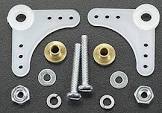
Bellcrank: A mechanical linkage consisting of a swinging arm with a fulcrum at one end, used to transmit motion from a fixed point to another.
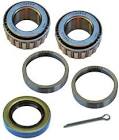
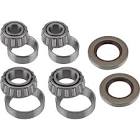
Bearing Kit: A set of components and tools required for the assembly and maintenance of bearing assemblies.
Wheel Bearing Kit: A specialized kit containing bearings specifically designed for automotive wheel applications.
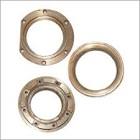
Bearing Chowk Accessories: A range of accessories, including mounting kits and lubrication systems, designed to enhance the performance and longevity of bearing chowks.
Bearing Chock: A device used to support and secure rotating shafts during maintenance or repair operations.
Roller Bearing Axle Boxes: A type of bearing assembly designed for use in axle applications, featuring roller bearings for improved load-carrying capacity.
Bearing Choke: A component designed to prevent the rotation of a shaft while allowing the installation and removal of bearings.
Roll Chocks: Devices used to support and secure rotating shafts during maintenance or repair operations.
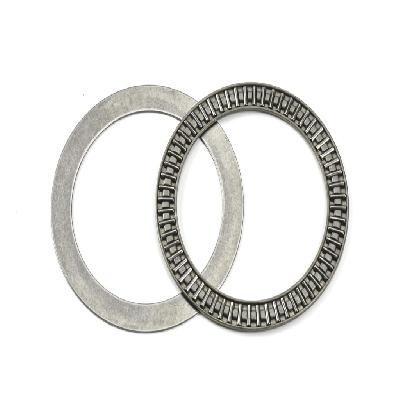
Thrust Bearings Assembly: A type of bearing assembly designed for applications where high axial loads are present, featuring thrust bearings for improved load-carrying capacity.
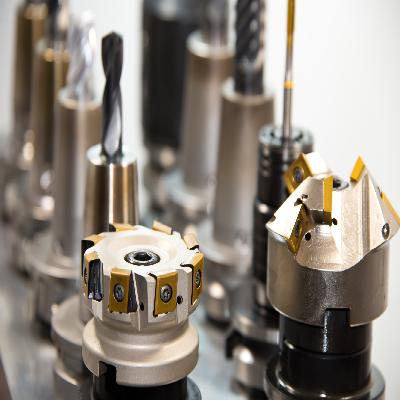
Precision Machine Tools: Advanced machine tools and equipment designed for use in precision engineering and manufacturing applications.