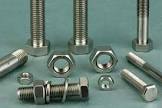
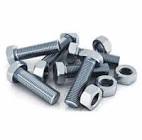
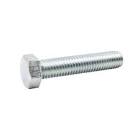
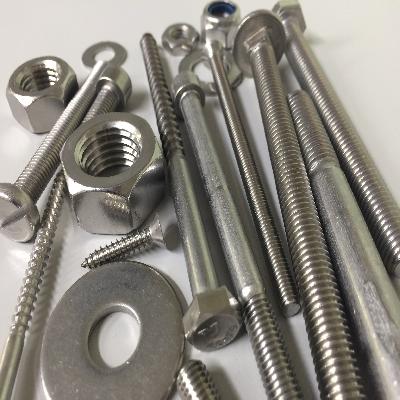
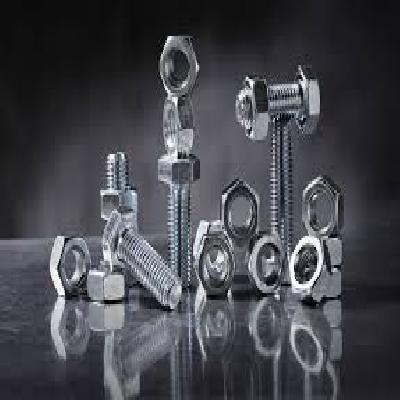
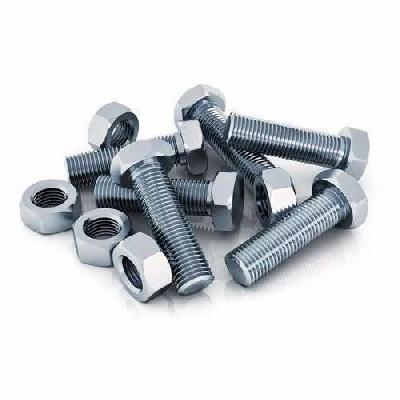
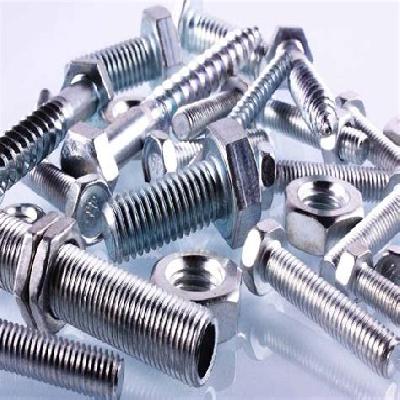
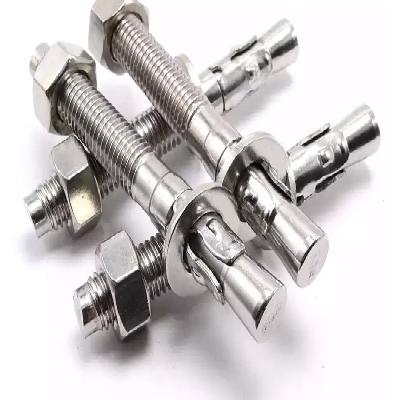
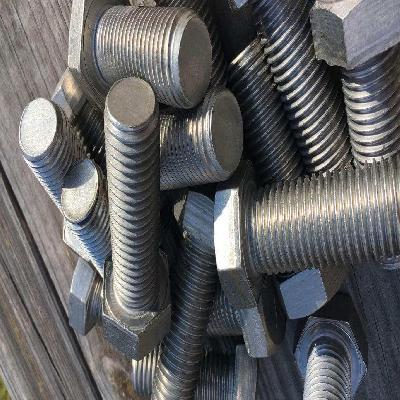
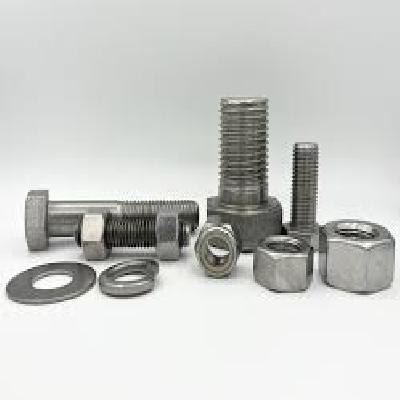
Alloy fasteners are a type of industrial hardware used for various applications, offering improved strength and resistance to corrosion compared to traditional steel fasteners.
Where To Use Alloy Fastener
Alloy fasteners are commonly used in construction, marine, and oil & gas industries due to their high resistance to corrosion and ability to withstand extreme temperatures.
Key Features Of Alloy Fastener
Improved strength and resistance to corrosion
Ability to withstand extreme temperatures
Resistance to wear and tear
High durability and longevity
How To Use Alloy Fastener
Ensure correct installation and tightening
Maintain proper storage conditions to prevent corrosion
Avoid over-tightening which can lead to material damage
Regularly inspect for signs of wear or damage
How Alloy Fastener Is Manufactured
The manufacturing process involves mixing and alloying various metals, followed by forging or casting to achieve the desired shape and properties.
Technical Specification Of Alloy Fastener
Diameter:
3/8" to 2" in various sizes
Length:
1/2" to 12" in various lengths
Material:
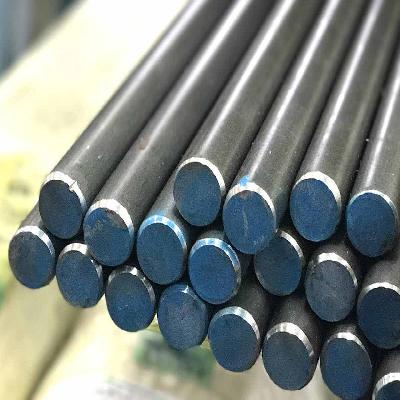
Alloy steel, stainless steel, or other specialized alloys
Thread Pitch:
UNC, UNEF, or other specialized thread pitches
Tensile Strength:
Up to 200,000 psi in various strengths
The technical specification of alloy fasteners is critical in ensuring their performance and longevity in various applications. The diameter and length specifications cater to different industries and projects, while the material selection is based on the specific requirements of corrosion resistance and strength. Thread pitch and tensile strength are also crucial factors that determine the suitability of alloy fasteners for a particular task.
Description Of Alloy Fastener
Alloy fasteners are made from a combination of metals, which provides improved strength and resistance to corrosion compared to traditional steel fasteners.
Related Products & Synonyms Of Alloy Fastener
Monel fasteners are a type of alloy fastener made from nickel-copper alloys, offering high resistance to corrosion and extreme temperatures.
Nickel alloy fasteners are another type of alloy fastener, made from a combination of nickel and other metals, providing improved strength and resistance to corrosion.
Zinc fasteners are not typically considered alloy fasteners, but can be used in certain applications where corrosion resistance is a concern.
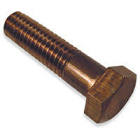
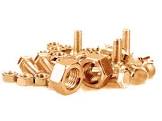
Bronze fasteners and copper-nickel fasteners are also types of alloy fasteners, offering improved strength and resistance to corrosion in various applications.