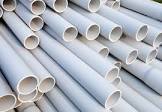
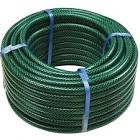
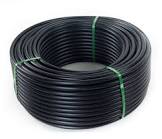
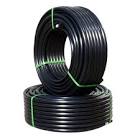
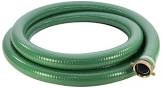
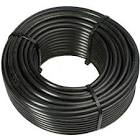
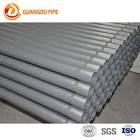
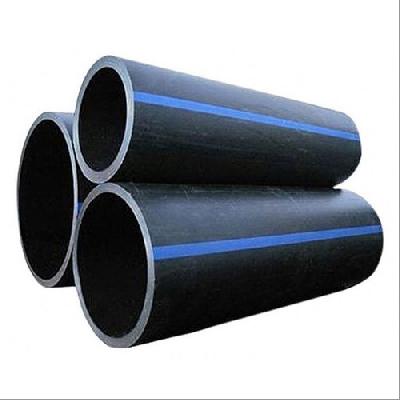
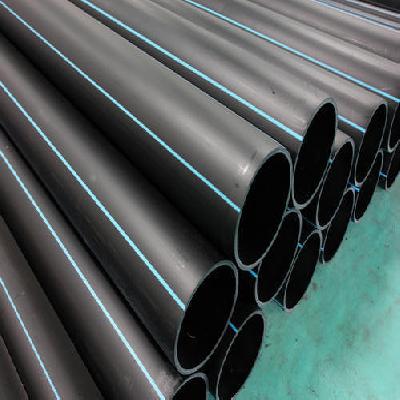
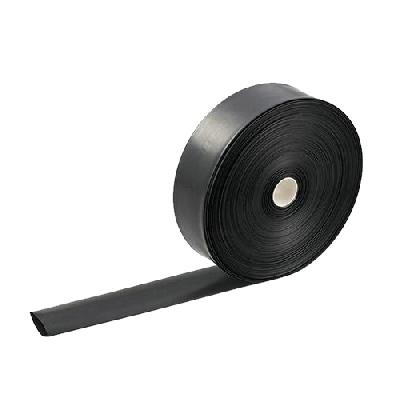
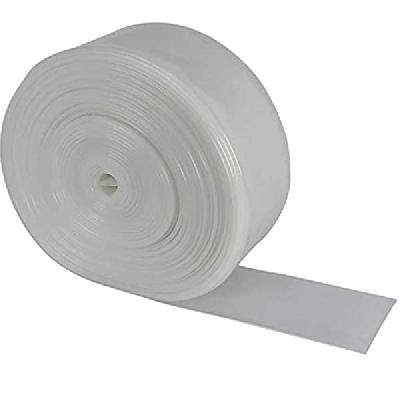
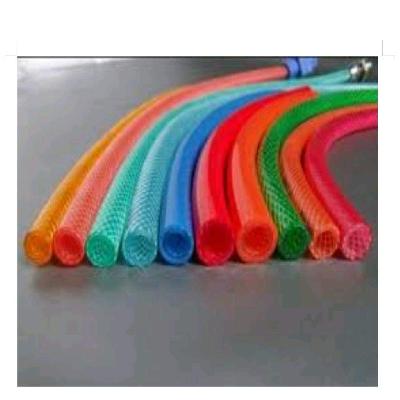
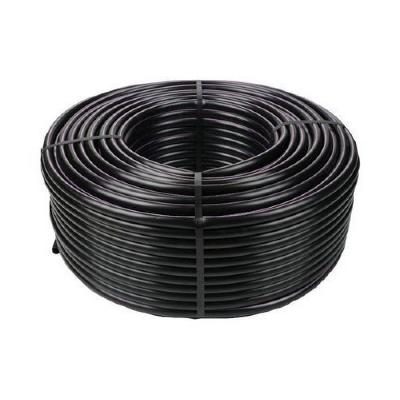
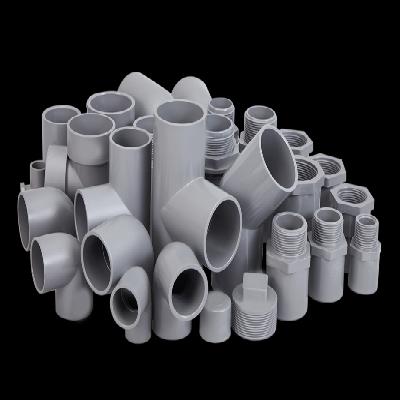
Agricultural pipes are a type of pipe used in agriculture and farming to transport water, fertilizers, and other substances. They are made from various materials such as PVC, HDPE, LDPE, and UPVC.
Where To Use Agricultural Pipes
Agricultural pipes can be used in various applications such as irrigation systems, drainage systems, and fertilizer distribution systems.
Key Features Of Agricultural Pipes
Corrosion-resistant
Chemical-resistant
High-pressure resistant
Durable and long-lasting
Easy to install and maintain
How To Use Agricultural Pipes
Connect the pipe to a water source or fertilizer tank.
Adjust the flow rate according to the specific requirements of the application.
Monitor the system regularly for any signs of wear and tear.
How Agricultural Pipes Is Manufactured
Agricultural pipes are manufactured using various processes such as extrusion, injection molding, and blow molding.
Technical Specification Of Agricultural Pipes
Diameter (mm)
20-1000
Length (m)
1-100
Material Thickness (mm)
0.5-10
Pressure Rating (bar)
1-100
Color
Transparent, Blue, Green
Weight (kg/m)
0.1-10
Material
PVC, HDPE, LDPE, UPVC
Connection Type
Threaded, Flanged, Welded
The technical specification of agricultural pipes is designed to meet the specific requirements of various applications in agriculture and farming. The pipes are manufactured using high-quality materials and are subject to rigorous quality control measures to ensure their durability and performance.
Description Of Agricultural Pipes
Agricultural pipes are designed to provide efficient and reliable transportation of water, fertilizers, and other substances in agriculture and farming applications.
Related Products & Synonyms Of Agricultural Pipes
The related products of agricultural pipes include PVC pipes, PVC garden pipe, HDPE coil pipe, LDPE pipe, suction pipe, polyethylene pipe, UPVC agriculture irrigation pipe, suction pipe assemblies, HDPE water pipe, agricultural HDPE pipe, rain pipe, lapeta pipe, and curing pipe.